

Understanding Pelvic Floor Dysfunction
Pelvic floor dysfunction occurs when the muscles and tissues of the pelvic floor are weakened, too tight, or working incorrectly. Dysfunction can lead to a range of symptoms and conditions that affect urinary, bowel, and sexual function.
Our innovative Emchair Therapy - a non-invasive solution similar to the Ultra Tesla Seat and Emsella Chair - uses electromagnetic muscle stimulation (EMS) to help manage and treat pelvic floor issues.
Types of Pelvic Floor Dysfunction
- Hypertonic Pelvic Floor: Characterized by overly tight pelvic muscles.
- Hypotonic Pelvic Floor: Involves weakened pelvic muscles.
- Pelvic Floor Pain Syndrome: Chronic pain in the pelvic region without clear structural causes.
Common Symptoms
Pelvic floor dysfunction can manifest in various ways.
- Chronic Pelvic Pain: Persistent discomfort in the pelvic region, which may vary in intensity.
- Pain During Intercourse: Discomfort or pain during sexual activity, known as dyspareunia.
- Urinary Symptoms: Increased urgency, frequency, or pain during urination.
- Bowel Issues: Pain during bowel movements or associated with constipation.
- Pressure or Discomfort: A feeling of heaviness or pressure in the pelvic area.
- Muscle Tension: Increased tightness or rigidity in the pelvic floor muscles.
Specific Conditions
Prostatitis
Prostatitis is the inflammation of the prostate gland, which can cause various pelvic symptoms in men.
Symptoms include:- Painful urination (dysuria)
- Frequent urination, especially at night (nocturia)
- Pain in the pelvic area, lower back, or genitals
- Painful ejaculation
- Flu-like symptoms (in acute cases)
Primary Pelvic Pain
Primary pelvic pain: chronic pain originating from the pelvic floor muscles, ligaments, or connective tissues, without an identifiable underlying medical condition.
Symptoms include:- Chronic pelvic pain lasting six months or longer
- Pain during intercourse
- Muscle tension in the pelvic floor
- Discomfort during urination or bowel movements
- Radiating pain to surrounding areas
- Increased sensitivity in the pelvic region
Diagnosis and Assessment
Diagnosing pelvic floor dysfunction involves:
- Physical Examination: Including external and internal assessment of the pelvic floor muscles.
- Medical History: Detailed discussion of symptoms and medical background.
- Imaging Studies: Such as MRI or ultrasound, to rule out structural issues.
- Electromyography (EMG): To assess muscle activity in the pelvic floor.
Treatment with Emchair Therapy
Our Emchair therapy offers a revolutionary approach to treating pelvic floor dysfunction and pain. This non-invasive treatment uses electromagnetic stimulation to target and strengthen the pelvic floor muscles.
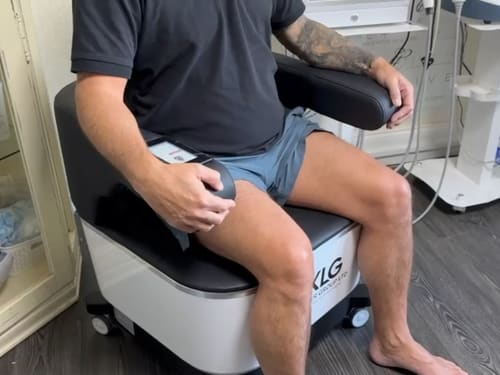
How Emchair Therapy Works:
- The patient sits fully clothed on the Emchair.
- Electromagnetic pulses stimulate the pelvic floor muscles.
- These pulses cause thousands of supramaximal contractions, equivalent to performing thousands of Kegel exercises.
- The treatment helps to re-educate and strengthen the pelvic floor muscles.
Emchair therapy is particularly effective for improving pelvic floor muscle function, addressing hypertonic pain, and managing conditions like prostatitis.
Benefits of Emchair Therapy
- Non-invasive and painless
- No downtime – return to normal activities immediately
- Clinically proven effectiveness
- Suitable for both men and women
- Can be used in conjunction with other treatments
Additional Treatment Options
A comprehensive approach to treating pelvic floor dysfunction may include:
Physical Therapy: Specialized pelvic floor physical therapy can help improve muscle function and reduce pain.
Biofeedback: This technique helps patients learn to control their pelvic floor muscles.
Relaxation Techniques: Mindfulness, yoga, and other relaxation methods can help manage pain and muscle tension.
Medications: Pain medication or muscle relaxants may be prescribed.
Lifestyle Modifications: Dietary changes, exercise, and stress management can all play a role in managing symptoms.
Pelvic floor dysfunction and pain can significantly impact your quality of life, but effective treatments are available. With advanced therapies like our Emchair treatment, combined with other medical interventions and lifestyle changes, it’s possible to alleviate symptoms and improve pelvic health.
Don’t let pelvic floor issues hold you back – book a personal consultation today to learn more about how Emchair therapy can help you regain comfort and confidence.