
Muscular system
The muscular system comprises all skeletal, smooth, and cardiac muscle tissue in the body. In the context of aesthetic and regenerative medicine, the relevant scope is skeletal muscle – the voluntary, striated muscle tissue attached to bones and superficial fascia that governs facial expression, posture, and body contour. The muscular system is anatomically distinct from the integumentary system that sits above it, and treatments targeting facial muscles act at a fundamentally different depth and through a fundamentally different mechanism from treatments targeting skin. Conflating the two – for example, classifying botulinum toxin as a skin treatment – misrepresents both the mechanism and the anatomical target.
Skeletal muscles relevant to aesthetic treatments fall into two functional groups at Creative Touch: facial expression muscles, targeted for relaxation or stimulation; and postural and core muscles, targeted for strengthening and neuromuscular rehabilitation. These two groups are treated through opposite mechanisms – paralysis versus supramaximal activation – reflecting entirely different clinical goals.
Facial expression muscles (botulinum toxin targets): – Frontalis (forehead elevation, horizontal lines) – Corrugator supercilii (brow furrow, glabellar lines) – Procerus (nasal bridge, horizontal frown lines) – Orbicularis oculi (eye closure, crow’s feet) – Orbicularis oris ( lip movement, perioral lines) – Depressor anguli oris (mouth corner depression) – Mentalis (chin movement, chin dimpling) – Platysma (neck bands) – Nasalis (nasal flaring)
Facial expression muscles (EMS stimulation targets – PE Face): – Zygomaticus major and minor (cheek elevation, smile lines) – Risorius (lateral mouth retraction) – Levator labii superioris (upper lip elevation) – Masseter (jaw, relevant for contour) – Frontalis (forehead lifting via stimulation rather than relaxation)
Body and core muscles (EMS stimulation targets): – Rectus abdominis, obliques (EmCore, HIEMT body) – Gluteus maximus, medius (HIEMT body sculpting) – Pelvic floor muscles – pubococcygeus, iliococcygeus (EmChair) – Biceps, triceps, quadriceps (HIEMT limb applications)
Ttreatments at Creative Touch interacting with this system:
Botulinum toxin – acts by blocking acetylcholine release at the neuromuscular junction, preventing muscle contraction. [1] The target is the motor endplate of specific facial muscles, not the skin above them. Wrinkle reduction is the downstream consequence of muscle relaxation, not a direct skin effect. System: MuscularSystem (primary). Structure: Individual facial muscles as listed above – schema:Muscle entities. The integumentary system is a secondary, indirect beneficiary only.
PE Face (EMS + synchronised RF) – high-intensity electromagnetic stimulation induces supramaximal contractions in delicate facial muscles, causing muscle hypertrophy and hyperplasia through the same neuromuscular mechanism as body HIEMT, adapted for the smaller, more superficial facial musculature. The synchronised RF component targets the integumentary system simultaneously – skin tightening at the dermal level – making PE Face a dual-system treatment. Primary system: MuscularSystem (EMS component). Related system: IntegumentarySystem (RF component). Structures: Facial expression muscles, Dermis.
HIEMT body sculpting -EMS technology delivers alternating magnetic fields, depolarising neuromuscular tissue and inducing supramaximal contractions that are brain-independent. These contractions force muscle hypertrophy (increased fibre size) and hyperplasia (increased fibre number) as adaptive responses. The energy demand of supramaximal contraction also triggers lipolysis in adjacent adipose tissue, making this a dual muscular-and-fat-layer treatment. System: MuscularSystem (primary). Structures: Rectus abdominis, obliques, gluteal muscles, depending on applicator placement.
EmCore therapy – applies the same EMS supramaximal contraction principle to the pelvic floor and core musculature simultaneously. System: MuscularSystem. Structures: Core musculature (rectus abdominis, obliques), pelvic floor muscles.
EmChair (pelvic floor therapy) – EMS stimulation specifically targeted at pelvic floor musculature, inducing thousands of supramaximal pelvic floor contractions per session for neuromuscular rehabilitation. System: MuscularSystem. Structures: Pelvic floor muscles – pubococcygeus, iliococcygeus, puborectalis.
Associated Pathophysiology
Muscular system conditions relevant to Creative Touch’s treatment context include: hyperactive facial expression muscles producing dynamic wrinkle formation (frontalis, corrugator supercilii, orbicularis oculi); age-related facial muscle atrophy contributing to volume loss, soft tissue descent, and facial contour changes alongside dermal ageing; pelvic floor muscle weakness following childbirth, hormonal transition, or age-related neuromuscular decline; and core muscle deconditioning addressed through body sculpting applications. The distinction between muscle-originated and skin-originated facial changes is clinically significant – laxity driven by muscle atrophy responds to different interventions than laxity driven by dermal collagen and ground substance loss.
References
Biello A, Zhu B (2026). Botulinum Toxin Treatment of the Upper Face. StatPearls Publishing. ncbi.nlm.nih.gov/books/NBK574523
Also Known As
- muscle tissues
- muscles
Learn More
This topic is discussed in 13 articles:
-

Sexual function and intimacy issues can significantly impact life and relationships. Our innovative pelvic floor Emchair Therapy in Rotherham helps to address many of these issues.
-
Discover the pros and cons of Electromagnetic Muscle Stimulation (EMS) and biofeedback therapies for pelvic floor dysfunction.
-

Are you experiencing lower back pain, urinary incontinence, erectile dysfunction, premature ejaculation? These can all be symptoms of easily-resolved pelvic floor issues.
-
Are you constantly battling with digestive discomfort that’s disrupting your daily life? Discover how our EMS Therapy targets the root cause of many gastrointestinal problems.
-

Pelvic floor dysfunction can lead to a range of symptoms and conditions that affect urinary, bowel, and sexual function. EMS Therapy at our Yorkshire clinic helps manage and treat pelvic floor issues.
-
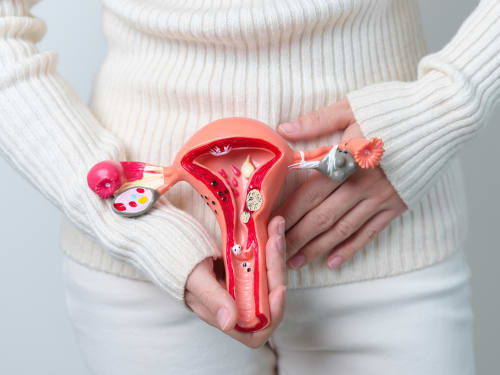
As we age, our reproductive health undergoes significant changes. Find out how our EMS Therapy can help slow ovarian ageing.
-
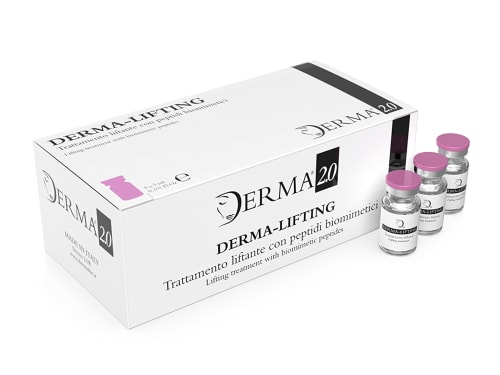
Unlike Botox, Derma-Lifting offers a natural and non-invasive approach to achieving smoother, younger-looking skin. Find out how.
-

Urinary incontinence and related bladder issues can be embarrassing and frustrating. Our innovative Emchair Therapy targets the cause by strengthening and retraining the pelvic floor muscles.
-

Pelvic organ prolapse often results from weakened pelvic floor muscles and connective tissues. Find out how our non-invasive EMS therapies can help manage and treat pelvic floor issues.
-

Considering Botox for the first time? Your questions answered in our guide, including essential aftercare tips to optimise your results.