

Our innovative Emchair Therapy is a non-invasive solution similar to the Ultra Tesla Seat and Emsella Chair. Electromagnetic Muscle Stimulation (EMS) helps manage and treat pelvic floor issues, including mild to moderate organ prolapse.
EmCore Therapy combines the pelvic floor strengthening of Emchair with the abdominal muscle strengthening of HIEMT for a comprehensive core strengthening programme.
Understanding Pelvic Organ Prolapse
Pelvic organ prolapse occurs when the muscles and tissues supporting the pelvic organs (such as the bladder, uterus, and rectum) become weakened or damaged, leading to a bulging or dropping of these organs into the vagina or rectum.

Types of Pelvic Organ Prolapse
Cystocele: Prolapse of the bladder into the vagina
Rectocele: Prolapse of the rectum into the vagina
Uterine Prolapse: Descent of the uterus into the vagina
Enterocele: Prolapse of the small intestine into the vagina
Symptoms of Pelvic Organ Prolapse
Common symptoms of pelvic organ prolapse include:
- Pelvic pressure or discomfort
- A noticeable bulge in the vagina or rectum
- Urinary symptoms (urgency, frequency, or incontinence)
- Difficulty with bowel movements
- Sexual dysfunction or discomfort during intercourse
Hernias: A Related Pelvic Issue
While not strictly a pelvic organ prolapse, hernias are closely related and can occur in the pelvic region. A hernia occurs when an organ or fatty tissue squeezes through a weak spot in the surrounding muscle or connective tissue.
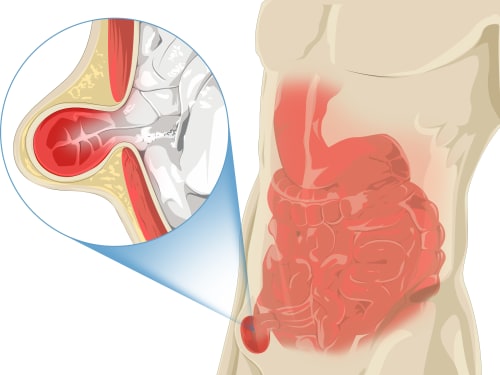
Types of Hernias in the Pelvic Region
Inguinal Hernia: Occurs in the groin area and is more common in men
Femoral Hernia: Appears in the upper thigh, just below the groin
Umbilical Hernia: Develops around the navel
Incisional Hernia: Occurs through a previous abdominal surgery incision
Symptoms of Hernias
Common symptoms of hernias include:
- A visible bulge in the affected area
- Pain or discomfort, especially when bending, coughing, or lifting heavy objects
- A feeling of weakness or pressure in the abdomen or groin
- In severe cases, nausea, vomiting, or constipation (if the hernia obstructs the bowel)
Risk Factors for Pelvic Organ Prolapse and Hernias
Several factors can increase the risk of developing pelvic organ prolapse or hernias:
- Pregnancy and childbirth
- Ageing
- Obesity
- Chronic coughing or straining
- Heavy lifting
- Previous pelvic surgery
- Family history of prolapse or hernias
Treatment with Emchair Therapy
Our Emchair therapy offers a revolutionary approach to treating mild to moderate pelvic organ prolapse and strengthening the pelvic floor muscles, which can help prevent or manage hernias in some cases.
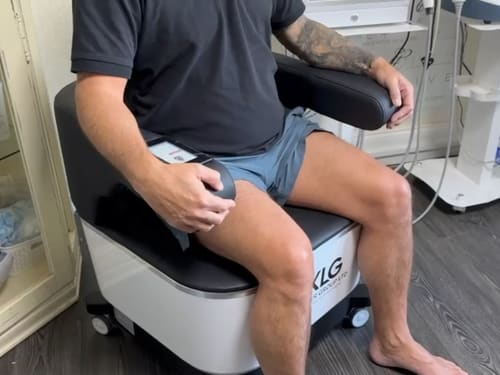
How Emchair Therapy Works:
- The patient sits fully clothed on the Emchair.
- Electromagnetic pulses stimulate the pelvic floor muscles.
- These pulses cause thousands of supramaximal contractions, equivalent to performing thousands of Kegel exercises.
- The treatment helps to re-educate and strengthen the pelvic floor muscles.
Emchair therapy is particularly effective for improving pelvic floor muscle function, which can help support pelvic organs and potentially reduce the risk of prolapse progression or hernia development.
Benefits of Emchair Therapy for Pelvic Organ Prolapse
- Non-invasive and painless
- No downtime – return to normal activities immediately
- Clinically proven effectiveness
- Suitable for both men and women
- Can be used in conjunction with other treatments
Additional Treatment Options
A comprehensive approach to treating pelvic organ prolapse and hernias may include:
Lifestyle Modifications: Weight loss, avoiding heavy lifting, and quitting smoking can help reduce pressure on the pelvic floor.
Pelvic Floor Exercises: Traditional Kegel exercises can complement Emchair therapy in strengthening pelvic floor muscles.
Pessaries: These removable devices can be inserted into the vagina to support prolapsed organs.
Surgery: In severe cases of prolapse or hernias, surgical intervention may be necessary to repair the weakened tissues or reposition the organs.
Supportive Garments: For hernias, wearing supportive undergarments or trusses can help manage symptoms and prevent worsening.
Pelvic organ prolapse, hernias, and related pelvic floor issues can significantly impact your quality of life. With advanced treatments like our Emchair Therapy and EmCore programme, combined with other medical interventions and lifestyle changes, it’s possible to manage these conditions effectively.
Don’t let pelvic floor issues hold you back – book your consultation today to learn more about how Creative Touch can help you regain comfort and confidence.