

At Creative Touch, we offer innovative electromagnetic muscle stimulation (EMS) treatments to our Rotherham and Sheffield clients experiencing urinary incontinence (UI) issues.
Emchair Therapy - a non-invasive solution similar to the Ultra Tesla Seat and Emsella Chair - helps manage and treat urinary incontinence and various bladder problems by strengthening and retraining the pelvic floor muscles.
Types of Urinary Incontinence

Stress Urinary Incontinence
Stress urinary incontinence (SUI) occurs when physical activities put pressure on the bladder, causing involuntary urine leakage. Common triggers include coughing, sneezing, laughing, exercising, or lifting heavy objects. SUI is often related to weakened pelvic floor muscles, which can result from pregnancy, childbirth, menopause, or some surgical procedures.
Urge Incontinence
Also known as overactive bladder, urge incontinence involves a sudden, intense need to urinate, often followed by involuntary urine loss. This condition is more common in postmenopausal women and men with prostate issues. Urge incontinence can be caused by neurological disorders, bladder irritation, or age-related changes in the bladder lining and muscle.
Mixed Urinary Incontinence
Mixed urinary incontinence (MUI) is a combination of stress and urge incontinence symptoms. MUI symptoms include involuntary leakage during activities that increase abdominal pressure and sudden, strong urges to urinate that can lead to accidents.
Overflow Incontinence
Overflow incontinence occurs when the bladder doesn’t empty as fully as it should, leading to frequent dribbling of urine. This type is more common in men and can be caused by prostate enlargement, tumours, overly tight pelvic floor muscles, or nerve damage.
Symptoms and Diagnosis
Common symptoms of urinary incontinence include:
- Involuntary leakage of urine during physical activities
- Frequent urination, especially at night (nocturia)
- Sudden, intense urges to urinate
- Inability to reach the toilet in time
- Constant dribbling of urine
To diagnose urinary incontinence, your doctor may recommend keeping a bladder diary, performing a physical examination, and possibly ordering additional tests such as urodynamic studies or imaging scans.
Treatment with Emchair Therapy
Our Emchair Therapy offers a revolutionary approach to treating urinary incontinence and bladder issues. This non-invasive treatment uses electromagnetic stimulation to strengthen the pelvic floor muscles. These pelvic floor muscles play a vital role in bladder control.
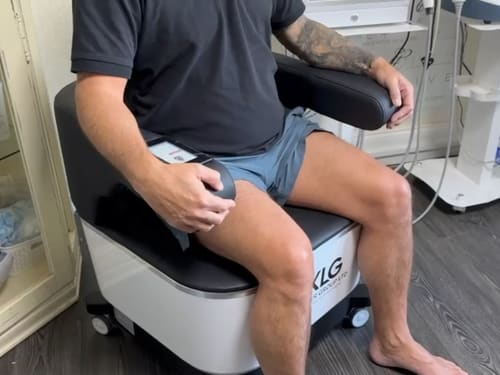
How Emchair Therapy Works
- The patient sits fully clothed on the Emchair.
- Electromagnetic pulses stimulate the pelvic floor muscles.
- These pulses cause thousands of supramaximal contractions, equivalent to performing thousands of Kegel exercises.
- The treatment helps to re-educate and strengthen the pelvic floor muscles.
Emchair Therapy is particularly effective for stress, urge, and mixed urinary incontinence. It can also help improve overall pelvic floor muscle function, potentially addressing other related issues.
Benefits of Emchair Therapy
- Non-invasive and painless
- No downtime – return to normal activities immediately
- Clinically proven effectiveness
- Suitable for both men and women
- Can be used in conjunction with other treatments
Additional Treatment Options
While Emchair Therapy is highly effective as a standalone treatment, a thorough approach to treating urinary incontinence may include:
Lifestyle Changes: Maintaining a healthy weight, quitting smoking, and adjusting fluid intake can help manage symptoms.
Pelvic Floor Exercises: Traditional Kegel exercises can complement Emchair Therapy in strengthening pelvic floor muscles.
Bladder Training: This involves learning techniques to increase the time between feeling the need to urinate and passing urine.
Medications: In some cases, medications may be prescribed to help control overactive bladder or reduce urge incontinence.
Urinary incontinence and bladder issues can significantly impact your quality of life, but they don’t have to. With advanced treatments like our Emchair Therapy, combined with lifestyle changes and other medical interventions, it’s possible to regain control and confidence.
Don’t let bladder issues hold you back – book your consultation today to learn more about how Emchair Therapy can help you.