

At Creative Touch in Rotherham, we understand that while Mounjaro (tirzepatide) can be an effective treatment for weight loss, some users may experience side effects such as constipation. Let’s explore this common concern and discuss effective strategies for managing it.
Why Does Mounjaro Cause Constipation?
Constipation is a reported side effect of Mounjaro, affecting approximately 2.5% to 9% of users (dose dependent). [1] [2] Several factors contribute to this:
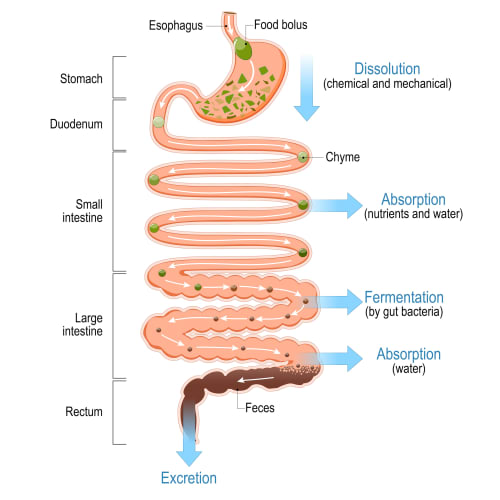
Slowed Gastric Emptying: Mounjaro, a GLP-1 receptor agonist, can slow down the digestive process, leading to food moving more slowly through your system.
Changes in Fluid Absorption: The medication may alter how your body absorbs fluids, potentially hardening stools.
Decreased Appetite: As Mounjaro reduces appetite, you may eat less, including less fibre, which can contribute to constipation.
Managing and Preventing Constipation
If you’re experiencing constipation while on Mounjaro, consider these strategies to find relief:
Optimise Your Fibre Intake
Fibre plays a complex role in bowel health. Finding the right balance for you often involves trial and error, as what works for one person may not work for another.
While increasing fibre is often the first recommendation for constipation, for some individuals, reducing fibre can bring relief, especially if increasing it seems to worsen symptoms or if an underlying motility issue is present. [3]

Experiment and Observe: The key is to experiment with different levels of fibre in your diet and carefully observe how your body responds.
Gradual Adjustments: If you decide to increase fibre, do so gradually. Adding too much too quickly can sometimes worsen bloating or discomfort. Add one new source of fibre to a meal each day rather than drastically changing your diet overnight.
Considering a Reduction: If increasing fibre hasn’t helped, or if you feel your symptoms are worsening (e.g., increased bloating, pain, or harder stools), discuss with your doctor or a dietitian whether a temporary or sustained reduction in fibre intake might be beneficial for you.
Embrace Both Types (if increasing): If you are aiming to increase fibre, both soluble and insoluble fibre are important:
Soluble fibre, found in oats, beans, apples, and citrus fruits, dissolves in water to form a gel, helping to soften stools.
Insoluble fibre, found in whole grains, vegetables, and wheat bran, adds bulk to your stool. This helps it move through your digestive system more rapidly.
Fibre-Rich Foods (if increasing): Excellent sources of fibre include:
Fruits: Dried prunes, raspberries, blackberries, pears (with skin), and apples (with skin).
Vegetables: Brussels sprouts, broccoli, sweet potatoes (with skin), carrots.
Other: Chia seeds, flaxseeds, and legumes (beans, lentils).
Stay Well Hydrated
Adequate hydration is paramount for bodily functions, and it plays a vital role in both digestive regularity and overall health, including the health and appearance of your skin.
Aim for 8 to 10 glasses of water daily, or approximately 2 to 2.5 litres.
Adequate hydration softens stools, making them easier to pass and preventing the hardening that can lead to constipation. Consider carrying a water bottle as a constant reminder to sip throughout the day. Monitor your urine colour: pale yellow typically indicates good hydration.

Beyond digestive comfort, staying well hydrated offers significant benefits for your skin, which is particularly relevant when undergoing weight loss:
Skin Elasticity and Appearance: Well-hydrated skin appears plump and smooth. It also maintains its elasticity more effectively. This helps your skin adapt to changes in body composition during weight loss, potentially minimising the appearance of loose skin.
Detoxification and Radiance: Water helps flush toxins from the body, contributing to a clear and more radiant complexion.
To delve deeper into the health benefits of water for your skin, read our article: Hydration: Your Natural Fountain of Youth. For more comprehensive advice on managing skin changes during weight loss, explore our guide on Skin Laxity After Weight Loss: Causes, Prevention, And Treatments.

If you experience symptoms like nausea or vomiting alongside constipation (which can lead to further fluid loss) discuss with your doctor whether electrolyte-fortified drinks might be beneficial.
Get Moving Regularly
Regular physical activity is fundamental to digestive health. It helps stimulate your digestive system, promoting more regular bowel movements. Aim to incorporate movement into your daily routine.
Aerobic Exercise: Brisk walking, jogging, cycling, or swimming promotes bowel regularity. Even a daily 30-minute walk can significantly impact your digestive comfort. Consider also incorporating movements that gently engage your core and abdominal area, such as yoga poses with twists, which can further aid digestive flow.
Resistance Training: Beyond helping with constipation, incorporating resistance training (such as lifting weights, using resistance bands, or bodyweight exercises like squats and lunges) is vital on a weight loss journey, especially with GLP-1 medications like Mounjaro. [4] Rapid weight loss can often lead to a reduction in muscle mass alongside fat loss. Building and maintaining muscle through resistance training helps to:
Preserve Muscle Mass: Counteract the potential for muscle loss, ensuring more weight reduction comes from fat.
Boost Metabolism: Muscle tissue is more metabolically active than fat, helping to maintain a healthier metabolism.
Improve Body Composition: Leads to a more toned physique and improved strength.
Combining aerobic activity with resistance training means supporting your digestive health and optimising overall body composition and long-term health as you lose weight.
Adjust Your Eating Habits
Eating smaller, more frequent meals throughout the day can help manage digestive discomfort and keep your digestive system working steadily.
Consider Natural Remedies
Some users find relief with natural laxatives like dried prunes (as mentioned) or other fruits that are known for their laxative properties.
Considering Probiotics
You might consider asking your doctor about probiotics. While research is ongoing, some evidence suggests that certain probiotic strains might help maintain a healthy gut microbiome, which could aid in regulating bowel movements and reducing digestive discomfort.
Over-the-Counter Solutions (with Caution)
If diet and lifestyle changes are not enough, some over-the-counter options may help. But do consult your doctor or pharmacist first.
Osmotic Laxatives: These draw water into the bowel to soften stools, making them easier to pass. Examples include polyethylene glycol (PEG) solutions. They are often a gentler first choice for medication-induced constipation.
Stool Softeners: These make stools softer and easier to pass without stimulating the bowel.
Stimulant Laxatives: Products which contain senna or bisacodyl directly stimulate the bowel muscles. While effective for occasional use, they can sometimes cause cramping and may lead to dependency if used too frequently. Always discuss these with your doctor before regular use.
Optimise Your Toilet Habits
Establish a Routine: Try to have a bowel movement around the same time each day, ideally after a meal, to take advantage of the natural gastrocolic reflex.
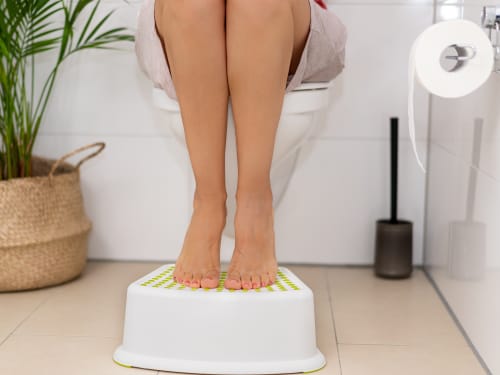
Proper Positioning: Consider using a small footstool to elevate your feet while on the toilet. This can help to improve the angle of your rectum, making bowel movements easier.
Don’t Delay: When you feel the urge to go, do not put it off. Delaying can make constipation worse.
Discussing Dose Adjustments and Injection Sites
If constipation is persistent or severe, have an open conversation with your healthcare provider. They might consider whether a dose adjustment for your Mounjaro is appropriate, as side effects can sometimes be dose-dependent, meaning higher doses could potentially exacerbate issues.
Furthermore, you may find that the location where you inject Mounjaro can influence the severity of side effects, including digestive discomfort like constipation. Research indicates that different injection sites can affect how quickly the medication is absorbed and, consequently, the intensity of side effects.
According to clinical trial data, [5] participants who injected Mounjaro into the thigh experienced the fewest gastrointestinal side effects. While abdominal injections may offer additional appetite suppression for some, they can also have a higher likelihood of side effects.
You might discuss with your doctor whether switching to thigh injections could help mitigate these symptoms. This can be a helpful strategy when stepping up to a higher dose, at least for the first week, to help your body adjust.
For a more in-depth understanding of how your injection site choice can affect both results and side effects, refer to our dedicated article: Mounjaro Injection Sites: How Your Choice Affects Results And Side Effects.
When to Seek Help
While constipation is usually manageable, contact your doctor if:
- Symptoms persist beyond a few weeks
- You experience severe abdominal pain
- You notice blood in your stool

Conclusion
Constipation, while a potential side effect of Mounjaro, is typically mild and manageable. Taking proactive steps and maintaining open communication with your doctor, means you can effectively manage this side effect and continue your weight loss journey with Mounjaro.
At Creative Touch, we’re committed to supporting you through every step of your treatment. Contact our team for personal guidance and support if you have concerns about constipation or other side effects while using Mounjaro.
References
Karrar, H., Nouh, M., Nouh, Y., Nouh, M., Khan Alhindi, A., Hemeq, Y., Aljameeli, A., Aljuaid, J., Alzahrani, S., Alsatami, A., Alkredees, M., Almuqati, A., Abanmi, S., Alshehri, A. (2023). Tirzepatide-Induced Gastrointestinal Manifestations: A Systematic Review and Meta-Analysis. Cureus. doi.org/10.7759/cureus.46091
doi: 10.7759/cureus.46091Mishra, R., Raj, R., Elshimy, G., Zapata, I., Kannan, L., Majety, P., Edem, D., Correa, R. (2023). Adverse Events Related to Tirzepatide. Journal of the Endocrine Society, 7(4). doi.org/10.1210/jendso/bvad016
doi: 10.1210/jendso/bvad016Ho, K. (2012). Stopping or reducing dietary fiber intake reduces constipation and its associated symptoms. World Journal of Gastroenterology, 18(33), 4593. doi.org/10.3748/wjg.v18.i33.4593
doi: 10.3748/wjg.v18.i33.4593Neeland, I., Linge, J., Birkenfeld, A. (2024). Changes in lean body mass with glucagon‐like peptide‐1‐based therapies and mitigation strategies. Diabetes, Obesity and Metabolism, 26(S4), 16-27. doi.org/10.1111/dom.15728
doi: 10.1111/dom.15728Eli Lilly and Company (2022). A Study of Tirzepatide at Different Injection Sites in Participants With Different Body Sizes. clinicaltrials.gov. clinicaltrials.gov/study/NCT04050670 (Accessed: 2025-05-22)