
Acetyl Hexapeptide-8
Acetyl Hexapeptide-8 is a synthetic biomimetic peptide that functions as a non-invasive neuromodulator by competing with the SNAP-25 protein for a position in the SNARE complex, thereby inhibiting acetylcholine release and softening dynamic expression lines. [1] A primary clinical differentiator is its “penetration paradox”: at 889 Da, it significantly exceeds the 500 Dalton rule for passive absorption, requiring professional delivery systems like RF microneedling or exosomal encapsulation to reach functional depths. [3] It is strategically used to dampen mechanical tension, protecting the dermal matrix during regenerative “build” phases. [5]
Acetyl Hexapeptide-8 (commercially known as Argireline) is a synthetic hexapeptide designed to mimic the N-terminal end of the SNAP-25 protein. In the field of high-fidelity aesthetics, it is classified as a neuro-modulatory peptide due to its ability to influence the biochemical process of neurotransmitter release without the permanent cleavage associated with neurotoxins. [1]
The SNAP-25 Mimetic Mechanism
The primary function of Acetyl Hexapeptide-8 is the inhibition of the SNARE (Soluble N-ethylmaleimide-sensitive factor Attachment protein REceptor) complex. In normal physiology, the SNARE complex acts as a cellular “zipper,” bringing synaptic vesicles to the presynaptic membrane to release acetylcholine – the signal for muscle contraction. Acetyl Hexapeptide-8 competes with the natural protein SNAP-25 for a position in this complex. By binding in place of SNAP-25, the peptide destabilises the complex, preventing the vesicle from fusing and thereby attenuating the signal for muscle contraction. This “relaxed” state in the underlying musculature translates to a visible softening of dynamic expression lines (such as “crow’s feet” or forehead furrows). [2]
The Penetration Paradox: Molecular Weight vs. Efficacy
A critical consideration for the clinical application of Acetyl Hexapeptide-8 is its molecular weight. At approximately 889 Da, it significantly exceeds the “500 Dalton Rule,” which suggests that molecules larger than 500 Da struggle to penetrate the intact stratum corneum. jddonline.com Research indicates that without enhanced delivery, only about 0.01% to 0.54% of the topically applied peptide reaches the epidermis, with virtually none reaching the dermis or the neuromuscular junction (NMJ) where it is most active. cir-safety.org This “penetration paradox” explains why topical formulations often require higher concentrations (up to 10%) or sophisticated delivery systems to achieve measurable results. [3]
Strategic Synergies and 2026 Delivery Trends
As of 2026, the clinical use of Acetyl Hexapeptide-8 has shifted toward high-fidelity delivery systems to overcome the penetration barrier. Emerging evidence supports the use of plant-derived extracellular vesicles (PDEVs or exosomes) to encapsulate the peptide; for example, Leontopodium alpinum exosomes have been shown to significantly increase dermal delivery compared to free-form application. [4] Additionally, “neurocosmetic” strategies now pair the peptide with humectants like multi-weight Hyaluronic Acid and Poly-gamma-glutamic acid, which upregulate filaggrin and create a more permeable, hydrated environment that facilitates peptide diffusion.
Clinical Application
Managing Dynamic Expressions without Injections. For clients seeking to manage dynamic wrinkles without the “frozen” look or for those who are contra-indicated for injectables, Acetyl Hexapeptide-8 provides a valuable intervention. By dampening the mechanical stress on the dermal matrix, it prevents the further fracturing of collagen fibrils. It is most rationally positioned for the upper face (periorbital and forehead) where muscle-to- skin attachment is highest. [5]
Enhancing Bioavailability: The Microneedling Interface. To solve the 889 Da penetration issue, we recommend pairing the peptide with RF Microneedling or standard microneedling. The creation of transient micro-channels bypasses the stratum corneum, allowing the peptide direct access to the deeper epidermal and dermal layers. This synergy transforms the peptide from a superficial hydrator into a functional neuro-modulator.
Post-Treatment Maintenance and iPRF Synergy. Acetyl Hexapeptide-8 is an ideal maintenance active following iPRF (Injectable Platelet-Rich Fibrin) treatments. While iPRF focuses on direct synthesis, Acetyl Hexapeptide-8 ensures that the newly synthesised collagen is not immediately subjected to high mechanical tension from overactive facial muscles. This “protect and build” strategy extends the longevity of regenerative results.
References
Lim SH, Sun Y, Thiruvallur Madanagopal T, et al. (2018). Enhanced Skin Permeation of Anti-wrinkle Peptides via Molecular Modification. Sci Rep, 8(1), 1596 . doi.org/10.1038/s41598-017-18454-z
Olsson SE, Sreepad B, Lee T, et al. (2024). Public Interest in Acetyl Hexapeptide-8: Longitudinal Analysis. JMIR Dermatol, 7, e54217 . doi.org/10.2196/54217
Wang Y, Wang M, Xiao S, et al. (2013). The anti-wrinkle efficacy of argireline, a synthetic hexapeptide, in Chinese subjects: a randomized, placebo-controlled study. Am J Clin Dermatol, 14(2), 147-53 . doi.org/10.1007/s40257-013-0009-9
Yang N, Wang Y, Liu H, et al. (2025). Plant-derived extracellular vesicles in facial aesthetics. Extracell Vesicles Circ Nucl Acids, 6(4), 651-668 . doi.org/10.20517/evcna.2025.43
Zdrada-Nowak J, Surgiel-Gemza A, Szatkowska M (2025). Acetyl Hexapeptide-8 in Cosmeceuticals-A Review of Skin Permeability and Efficacy. Int J Mol Sci, 26(12) . doi.org/10.3390/ijms26125722
Molecular Structure
- Formula
- C₃₄H₆₀N₁₄O₁₂S
- Weight
- 889.00 g/mol
- IUPAC
- 4-acetamido-5-[[1-[[1-[[5-amino-1-[[1-[[1-amino-5-(diaminomethylideneamino)-1-oxopentan-2-yl]amino]-5-(diaminomethylideneamino)-1-oxopentan-2-yl]amino]-1,5-dioxopentan-2-yl]amino]-4-methylsulfanyl-1-oxobutan-2-yl]amino]-4-carboxy-1-oxobutan-2-yl]amino]-5-oxopentanoic acid
Computational Identifiers
| InChI | InChI=1S/C34H60N14O12S/c1-17(49)43-20(8-11-25(51)52)29(57)47-22(9-12-26(53)54)31(59)48-23(13-16-61-2)32(60)46-21(7-10-24(35)50)30(58)45-19(6-4-15-42-34(39)40)28(56)44-18(27(36)55)5-3-14-41-33(37)38/h18-23H,3-16H2,1-2H3,(H2,35,50)(H2,36,55)(H,43,49)(H,44,56)(H,45,58)(H,46,60)(H,47,57)(H,48,59)(H,51,52)(H,53,54)(H4,37,38,41)(H4,39,40,42) | |
|---|---|---|
| InChIKey | RJZNPROJTJSYLC-UHFFFAOYSA-N | |
| Canonical SMILES | CC(=O)NC(CCC(=O)O)C(=O)NC(CCC(=O)O)C(=O)NC(CCSC)C(=O)NC(CCC(=O)N)C(=O)NC(CCCN=C(N)N)C(=O)NC(CCCN=C(N)N)C(=O)N | |
Data sourced from: PubChem (NCBI) ↗ | ||
Also Known As
- Acetyl hexapeptide-3
- Acetyl hexapeptide-8 amide
- Argireline
Learn More
This topic is discussed in 3 articles:
-
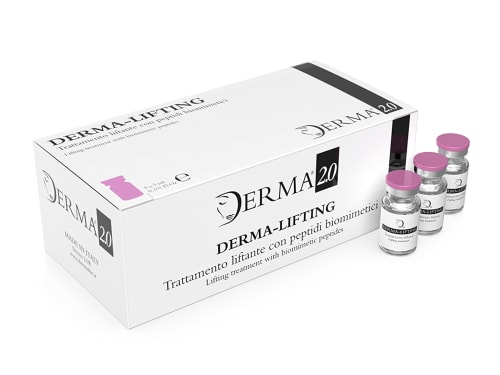
Unlike Botox, Derma-Lifting offers a natural and non-invasive approach to achieving smoother, younger-looking skin. Find out how.
-
Neurotransmitter-inhibiting peptide often marketed as ‘topical Botox’; effectiveness on lips is limited by large molecular weight (~889 Da) preventing penetration
-
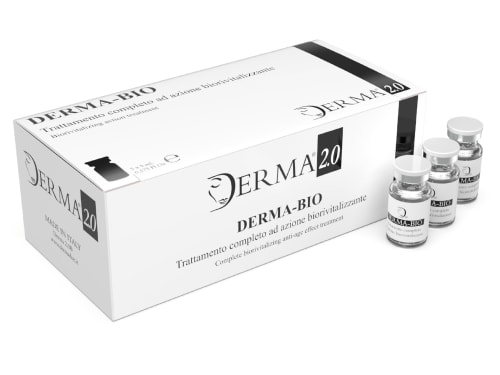
Discover the science behind Derma Bio, a mesotherapy product designed to combat signs of aging and achieve a brighter, smoother, and more youthful appearance.