
Peptides
A peptide is defined structurally as a chain of 2–50 amino acids linked by peptide bonds – longer than a dipeptide or tripeptide supplement and shorter than a full protein (which begins at approximately 50 amino acids and typically folds into a three-dimensional structure). In skin biology, peptides function as fragments of larger proteins – either matrikines (ECM breakdown products that signal repair activity) or synthetic mimetics of naturally occurring signalling sequences. [3] Their clinical appeal in aesthetics rests on the principle that the body’s own repair and maintenance systems already use short peptide sequences as communication signals – and that delivering the right sequence exogenously can activate those same systems in aged or photodamaged skin where endogenous production has declined. The evidence base across the category is uneven: a small number of well-studied peptides have genuine RCT-level clinical data; many others have compelling in vitro fibroblast data that has not been replicated in controlled clinical trials. Distinguishing between these tiers is the primary evidence-handling obligation of this entity and all child entities within it.
Proteins are the structural and functional workhorses of skin biology – collagen, elastin, filaggrin, keratin, and all the enzymes of barrier maintenance are proteins. But the body does not communicate repair instructions by deploying whole proteins. It communicates through peptide fragments – short sequences cleaved from larger proteins, or synthesised de novo, that carry specific recognition signals for cell surface receptors. The concept of matrikines – peptide fragments released from the ECM by MMP-mediated breakdown that feed back to signal further repair activity – is the foundational biological principle behind signal peptide skincare. [3] When collagen is degraded, the breakdown fragments include sequences that fibroblasts recognise as a signal to synthesise new collagen. Signal peptides in skincare mimic or replicate these matrikine sequences to activate the same fibroblast response without requiring actual collagen degradation to initiate it.
The distinction between peptides and growth factors in this context matters: growth factors (as delivered in iPRF, for example) are whole proteins that bind to membrane receptors and trigger intracellular signalling cascades. They are larger, more structurally complex, and require injection to reach their dermal targets. Topical peptides are smaller, more stable, and can be formulated into cosmetic products – but their smaller size and simpler structure means each peptide is limited to the specific receptor sequence it mimics, rather than the broad multi-pathway activation that a whole growth factor produces.
The Five Functional Classes
Peptides used in aesthetic skincare are classified by their mechanism of action rather than by their source or structure. Five functional classes are recognised: [3]
Signal peptides are the most widely used class in cosmetic formulations. They mimic matrikine sequences – the peptide fragments that signal ECM damage and trigger repair. Their primary targets are fibroblasts, which they stimulate to increase collagen I and III synthesis, elastin production, fibronectin deposition, and glycosaminoglycan production. The class operates through receptor-mediated signalling rather than by directly contributing amino acid building blocks to collagen synthesis.
Carrier peptides deliver trace elements – primarily copper and manganese – to the enzymatic sites where they function as cofactors. Copper is an essential cofactor for lysyl oxidase, the enzyme that cross-links collagen and elastin fibres into their structural network; without adequate copper delivery to the dermis, newly synthesised collagen cannot be properly stabilised. GHK-Cu – the copper tripeptide-1 with the deepest evidence base in the category – straddles both the signal peptide and carrier peptide classes, stimulating collagen synthesis through signal mechanisms whilst simultaneously delivering copper for cross-linking. [2]
Neurotransmitter inhibitor peptides act at the neuromuscular junction to reduce acetylcholine-mediated muscle contraction in the superficial facial muscles, producing a functional reduction in dynamic line formation. The mechanism involves inhibition of the SNARE protein complex – the molecular docking machinery that enables synaptic vesicle fusion and neurotransmitter release. Acetyl hexapeptide-8 (Argireline) is the most studied and most commercially replicated peptide in this class. [5]
Enzyme inhibitor peptides protect the ECM from degradation rather than stimulating synthesis – acting on the degradation side of the collagen synthesis–degradation balance. They inhibit MMPs (specifically MMP-1, MMP-3) and serine proteases involved in collagen and elastin breakdown. Soybean-derived hexapeptide and rice-derived tripeptides are the best-characterised examples. The combination of enzyme inhibition with signal peptide collagen stimulation represents a mechanistically complete approach to ECM restoration – addressing both supply and loss simultaneously – though the evidence for enzyme inhibitor peptides specifically is less developed than for signal peptides.
Antimicrobial peptides (AMPs) are naturally occurring components of the skin’s innate immune system – cathelicidins (hCAP-18/ LL-37) and defensins are the primary families – that disrupt bacterial membrane integrity through electrostatic interaction with negatively charged phospholipids. [1] In the context of aesthetic skincare, synthetic AMP mimetics are an emerging application in acne management – their mechanism targets C. acnes at the follicular level without the antibiotic resistance concerns of long-term systemic or topical antibiotic use. AMP activity in skin is also directly relevant to the barrier function context: filaggrin-deficient skin produces reduced levels of endogenous AMPs, contributing to the heightened infection susceptibility of atopic skin.
The Penetration Challenge
Honest assessment of topical peptides requires direct engagement with their primary limitation: most peptides, in their native form, do not penetrate the intact stratum corneum at concentrations sufficient to produce the cellular effects demonstrated in in vitro fibroblast models. The reasons are structural. [4]
The stratum corneum’s lipid bilayer acts as a selective barrier against water-soluble molecules – and peptides, being polar, water-soluble, and typically hydrophilic, do not partition into the lipid phase that penetration requires. Additionally, the molecular weight threshold for reasonable passive diffusion through the SC is approximately 500 Da; most cosmetically relevant peptides exceed this. A further issue is enzymatic degradation: the proteases present in the stratum corneum (serine proteases including KLK5 and KLK7, and the cathepsins) that are essential for desquamation are equally capable of degrading exogenous peptide sequences before they can reach the viable epidermis.
Three formulation strategies have evidence for improving this:
Palmitoyl conjugation: Attaching a palmitoyl (C16 fatty acid) tail to the peptide sequence increases lipophilicity, enabling partitioning into the SC lipid phase. This is the mechanism behind the “Pal-” prefix in Pal-KTTKS ( Matrixyl), Pal-GHK, and Pal-tetrapeptide-7 – the fatty acid tail is not cosmetically inert but is mechanistically necessary for delivery. [4]
Liposomal and nanoparticle encapsulation: Encapsulating peptides in phospholipid vesicles that can fuse with the SC lipid bilayer improves delivery significantly. A 2024 PMC study on liposome-encapsulated Pal-KTTKS confirmed measurably improved dermal penetration vs. free peptide at equivalent concentration. [4]
LADD (Laser-Assisted Drug Delivery): SC disruption by fractional laser or microneedling creates transient microchannels through which topical peptides can reach the viable epidermis and dermis directly – bypassing the penetration barrier entirely during the delivery window. This is mechanistically the most certain route to clinically relevant dermal peptide concentrations from a topical application.
The penetration challenge is not a reason to dismiss topical peptides – it is a reason to evaluate them on evidence from well-designed clinical trials rather than on in vitro fibroblast data alone, and to understand that formulation quality is as clinically significant as the peptide sequence itself.
Key Peptides
GHK-Cu (Copper Tripeptide-1)
GHK-Cu is the most extensively researched cosmetic peptide and the only one with evidence extending to gene expression analysis at scale – demonstrated regulation of over 1,500 human genes, including the full spectrum of ECM synthesis, MMP/TIMP balance, anti-inflammatory signalling, and antioxidant response pathways. [2] It bridges the signal peptide and carrier peptide classes uniquely: the GHK sequence (glycyl-L-histidyl-L-lysine) functions as a matrikine signal, and the copper ion it carries activates lysyl oxidase for collagen and elastin cross-linking. Naturally declining plasma levels with age – from ~200ng/mL at 20 to ~80ng/mL at 60 – make endogenous restoration a biologically coherent clinical goal.
→ See: GHK-Cu entity for full mechanism, evidence base, and combination protocols.
Acetyl Hexapeptide-8 (Argireline)
Acetyl hexapeptide-8 is the leading neurotransmitter inhibitor peptide in cosmetic use – a synthetic hexapeptide mimicking the N-terminal sequence of SNAP-25, one of the three SNARE complex proteins essential for neurotransmitter vesicle docking at the neuromuscular junction. By competing with SNAP-25 for SNARE complex formation, it reduces acetylcholine release and muscular contraction at the application site. [5] Its clinical evidence for periorbital and forehead wrinkle reduction at 10% concentration is among the strongest in the neurotransmitter inhibitor class, though the topical penetration question – whether sufficient peptide reaches the neuromuscular junction depth – remains the primary mechanistic uncertainty.
→ See: Acetyl Hexapeptide-8 entity for full mechanism, clinical evidence, and synergist combinations.
Matrixyl (Palmitoyl Pentapeptide-4 / Pal-KTTKS)
Matrixyl is the commercial name for palmitoyl pentapeptide-4 – a five amino acid sequence (Lys-Thr-Thr-Lys-Ser, KTTKS) conjugated to a palmitoyl fatty acid tail for SC penetration. The KTTKS sequence is a fragment of the procollagen I C-terminal propeptide – a segment naturally released during collagen fibre assembly that feeds back to stimulate further synthesis. Its palmitoyl conjugation is mechanistically necessary, not cosmetic: it is the delivery system that enables the active KTTKS sequence to reach fibroblasts in the viable dermis. professorpeptides
→ See: Matrixyl entity for full mechanism, clinical evidence, and Matrixyl 3000 distinction.
Other Notable Peptides
Leuphasyl (Acetyl Glutamyl Heptapeptide-1)
Leuphasyl is a neurotransmitter inhibitor peptide that acts on the enkephalin receptor – a different binding site from Argireline’s SNAP-25 SNARE competition mechanism – reducing the pain-signalling pathway that modulates muscle contraction intensity. Its clinical value is primarily as a synergist with Argireline: the two peptides act at different points in the neuromuscular transmission pathway, and their combination has documented additive effect on wrinkle depth reduction beyond either peptide alone. Formulations combining Argireline and Leuphasyl at 5–8% each are increasingly the standard in evidence-based neurotransmitter inhibitor products rather than single-peptide formulations.
Palmitoyl Tetrapeptide-7 (Rigin)
Palmitoyl tetrapeptide-7 is an anti-inflammatory signal peptide whose primary mechanism is inhibition of interleukin-6 (IL-6) overproduction – a pro-inflammatory cytokine elevated in photoaged and UV-stressed skin that suppresses fibroblast collagen synthesis and accelerates ECM degradation. Its inclusion in the Matrixyl 3000 formulation (paired with Pal-GHK) reflects the clinical logic of combining collagen synthesis stimulation with concurrent IL-6 suppression: the signal peptide builds whilst the enzyme inhibitor protects what is built. Pal-tetrapeptide-7 is rarely used as a standalone ingredient and is most often encountered as part of multi-peptide complexes.
Syn-AKE (Dipeptide Diaminobutyroyl Benzylamide Diacetate)
Syn-AKE is a synthetic tripeptide mimicking the mechanism of waglerin-1, a component of Temple Viper snake venom – a nicotinic acetylcholine receptor (nAChR) antagonist that blocks post-synaptic receptor activity rather than pre-synaptic SNARE complex formation (Argireline’s target). This distinct binding site makes it mechanistically complementary to rather than redundant with Argireline in neurotransmitter inhibitor combinations. Clinical evidence is primarily in vitro and proprietary; independent RCT data is limited compared to the Argireline evidence base. It is increasingly common in “multi-mechanism” topical expression line products, where its pre-synaptic/post-synaptic dual mechanism framing provides the marketing logic. Evidence should be evaluated with appropriate scepticism pending independent trials.
Antimicrobial Peptides (AMPs): LL-37 and Defensins
The two major endogenous AMP families relevant to skin aesthetics are cathelicidin (the primary human cathelicidin is LL-37, cleaved from the hCAP-18 precursor) and the β-defensins (hBD-1, hBD-2, hBD-3). Both are produced by keratinocytes and sebocytes in response to pattern recognition receptor activation and disrupt bacterial membranes through cationic electrostatic interaction. [1] Their relevance to the Creative Touch treatment portfolio is dual: first, the suppression of endogenous AMP production in filaggrin-deficient atopic skin is one mechanism by which barrier dysfunction translates into infection susceptibility; second, synthetic AMP mimetics represent an emerging cosmeceutical approach to acne management that acts on C. acnes through a resistance-free membrane-disruption mechanism rather than through antibiotic pathways.
Positioning in a Skincare Routine
Topical peptides occupy the active treatment layer of a complete skincare routine – applied after cleansing and toning, before occlusives and SPF. As water-soluble or lipid-conjugated actives, they are typically formulated into serums at the concentrations required for clinical effect.
The principal combinatorial consideration is compatibility with pH-dependent actives: at-home AHAs and vitamin C (ascorbic acid at pH 2.5–3.5) can denature or hydrolyse peptide bonds at low pH, rendering peptides inactive if layered directly over an acidic active. The practical solution is temporal separation – peptides applied on alternating evenings from low-pH actives, or in separate morning/evening routine positions. This is a genuine formulation interaction, not a marketing claim, and deserves explicit communication in client routine guidance.
Peptides are most productively positioned as the maintenance and optimisation layer in a treatment plan – sustaining and extending the collagen synthesis, barrier function, and pigmentation improvements produced by in-clinic interventions ( RF microneedling, FTL, iPRF, PN) rather than serving as primary collagen restoration tools. The LADD window after microneedling or fractional laser sessions is where topical peptide delivery transitions from a maintenance role to an active therapeutic one – SC disruption removes the penetration barrier and enables dermal concentrations that standard topical application cannot achieve.
Evidence Calibration
The peptide skincare category contains more marketing than mechanism in the broader commercial landscape, and evidence quality varies considerably across the class:
| Evidence tier | Description | Examples |
|---|---|---|
| Tier 1 – RCT clinical | Randomised controlled trial in human subjects, published peer-reviewed | GHK-Cu (photodamage), Pal-KTTKS (wrinkle volume), AH-8 (periorbital) |
| Tier 2 – In vivo observational | Human subjects, non-randomised; biopsies or objective measurement | GHK-Cu (biopsy), multiple signal peptides |
| Tier 3 – In vitro only | Fibroblast or cell culture models; penetration/clinical effect unconfirmed | Many enzyme inhibitors, some AMPs |
| Tier 4 – Proprietary only | Manufacturer data; no independent peer review | Multiple branded peptide complexes |
The in vitro/in vivo gap is the single most important honest limitation to communicate: a peptide that stimulates collagen synthesis by 90% in a fibroblast culture dish has demonstrated receptor specificity and biological activity, but has not demonstrated that it reaches fibroblasts in the dermis at meaningful concentrations when applied topically in a cosmetic formulation. Both statements must be true for a clinical claim to be valid.
References
Badilli U, Inal O (2025). Current Approaches in Cosmeceuticals: Peptides, Biotics and Marine Biopolymers. Polymers (Basel), 17(6) . doi.org/10.3390/polym17060798
Pickart L, Margolina A (2018). Regenerative and Protective Actions of the GHK-Cu Peptide in the Light of the New Gene Data. Int J Mol Sci, 19(7) . doi.org/10.3390/ijms19071987
Pintea A, Manea A, Pintea C, et al. (2025). Peptides: Emerging Candidates for the Prevention and Treatment of Skin Senescence: A Review. Biomolecules, 15(1) . doi.org/10.3390/biom15010088
Vitali A, Paolicelli P, Bigi B, et al. (2024). Liposome Encapsulation of the Palmitoyl-KTTKS Peptide: Structural and Functional Characterization. Pharmaceutics, 16(2) . doi.org/10.3390/pharmaceutics16020219
Zdrada-Nowak J, Surgiel-Gemza A, Szatkowska M (2025). Acetyl Hexapeptide-8 in Cosmeceuticals-A Review of Skin Permeability and Efficacy. Int J Mol Sci, 26(12) . doi.org/10.3390/ijms26125722
Also Known As
- peptide
Biological Relationships
Learn More
This topic is discussed in 8 articles:
-
Searching for the best lip balm for dry lips? Discover which ingredients have real evidence behind them, why your lips get dry, and how to choose products that actually work.
-
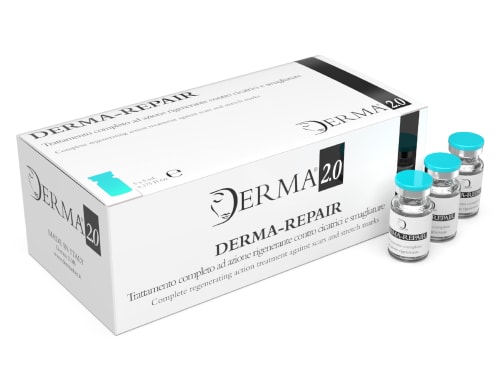
Scars and stretch marks can be a source of self-consciousness. Derma-Repair, a medical-grade mesotherapy solution, offers a powerful approach to address these concerns.
-

Short amino acid chains that signal skin to produce collagen and elastin. Gentler alternative to retinoids but with thinner clinical evidence.
-
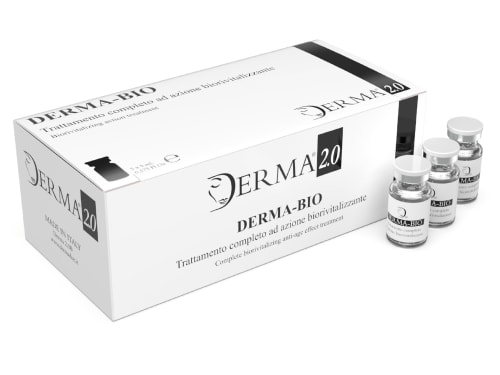
Discover the science behind Derma Bio, a mesotherapy product designed to combat signs of aging and achieve a brighter, smoother, and more youthful appearance.
-
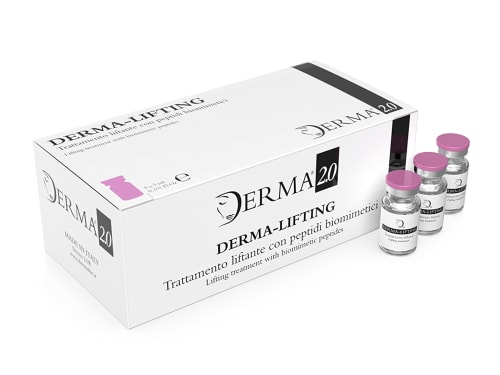
Unlike Botox, Derma-Lifting offers a natural and non-invasive approach to achieving smoother, younger-looking skin. Find out how.
-

Peptides are short amino‑acid chains that act as targeted signalling molecules in skincare, directing fibroblasts, melanocytes, immune cells, and neuromuscular junctions.
-

Discover how the Yale Food Addiction Scale 2.0 identifies addictive eating behaviours and what your results mean. Learn about symptoms, clinical significance, and how food addiction impacts health.
-
Hard water affects 60% of UK households and gets worse with age. Discover what actually works for your skin barrier, what doesn’t, and why your water matters more than you think.