
Circadian rhythm
Circadian rhythms are endogenous 24-hour biological timing programmes generated by interlocking molecular feedback loops and coordinated across the body by the suprachiasmatic nucleus (SCN) – a paired cluster of approximately 20,000 neurons in the anterior hypothalamus. Approximately 15% of all human genes are expressed rhythmically across the day, including those governing cortisol secretion, appetite drive, fuel substrate preference, immune activity, and cellular repair. The SCN synchronises peripheral clocks throughout the body via three output signals – the cortisol diurnal arc, pineal melatonin secretion, and the core body temperature rhythm. Human appetite follows a well-characterised circadian pattern that is endogenous and independent of sleep-wake timing, with a physiological trough in the morning and a progressive rise through the day peaking at approximately 8pm; the circadian system simultaneously programmes substrate oxidation preferences, with fat oxidation peaking in the biological evening. When dietary patterns chronically conflict with circadian programming – through high-glycaemic meals, irregular eating timing, or constant grazing – the resulting circadian-metabolic dysregulation amplifies the very food-seeking behaviours that produced it.
Circadian rhythms are not simply a biological response to the day-night cycle – they are an anticipatory programme, built to pre-set the body’s physiological state ahead of predictable environmental demands rather than reacting to them after the fact. The molecular machinery generating these rhythms operates in almost every nucleated cell in the body and can sustain autonomous oscillations even in isolated cells in culture. The master coordinator is the suprachiasmatic nucleus (SCN) in the anterior hypothalamus, which synchronises the timing of these distributed cellular clocks through hormonal, neural, and thermal output signals. Approximately 15% of all human genes are expressed rhythmically within any given tissue across the 24-hour cycle, [7] with nearly half of all protein-coding genes showing circadian rhythms somewhere in the body when measured across multiple organ systems. [12]
The Master Clock
The body does not run on one clock – it runs on many. Individual cells across virtually every tissue type contain molecular clock machinery capable of sustaining autonomous oscillations. The SCN acts as their synchroniser rather than their generator. This distinction is clinically meaningful: SCN signals coordinate the phase of peripheral clocks, but the peripheral clocks themselves sustain their oscillations independently and respond to local entrainment cues – particularly feeding timing and temperature – that can shift their phase relative to the SCN without disrupting the SCN at all.
The molecular clock operates through transcription-translation feedback loops built from CLOCK, BMAL1, PER1/2, and CRY1/2 proteins completing a cycle of approximately 24 hours. For the full molecular mechanism at the skin cell level – including the three-loop architecture, the RORα/REV-ERBα stabilising loop controlling ceramide synthesis, and the XPA post-translational loop governing DNA repair timing – see Skin circadian clock.
The Suprachiasmatic Nucleus
The SCN is a paired structure of approximately 20,000 neurons positioned in the anterior hypothalamus directly above the optic chiasm. [6] Crucially, each individual SCN neuron is itself an autonomous oscillator – the network’s function is to produce coherence and amplitude between these individual oscillators rather than to generate the oscillation centrally. [11] This architecture means partial SCN disruption produces fragmented rather than absent circadian rhythmicity; the system degrades gradually rather than switching off, which is why chronic mild circadian disruption – irregular sleep, shifted eating patterns – produces insidious rather than acute metabolic consequences.
The SCN’s primary photic input arrives via the retinohypothalamic tract from intrinsically photosensitive retinal ganglion cells (ipRGCs) containing the photopigment melanopsin, which responds preferentially to short-wavelength blue light (~480 nm) and projects directly to the SCN, resetting its phase in response to dawn and dusk cues. Morning light exposure anchors the phase of the entire subsequent 24-hour programme; pre-sleep blue light exposure – from screens and artificial lighting – maintains ipRGC stimulation of the SCN, delaying the phase of the following cycle.
The SCN does not innervate peripheral organs directly. Its systemic influence travels through three output channels: the cortisol diurnal arc via the hypothalamic-pituitary-adrenal axis; pineal melatonin secretion, which the SCN gates through sympathetic innervation of the pineal gland; and the core body temperature rhythm, generated through thermoregulatory outputs. Each of these signals carries phase information to peripheral tissues – including skin – allowing the SCN to coordinate the timing of tissue-specific programmes without directly controlling their execution.
The Daily Arc: Cortisol, Melatonin, and Temperature
Cortisol follows the most precisely characterised of the SCN’s output rhythms. Cortisol rises sharply within 30–60 minutes of waking – the cortisol awakening response (CAR) – reaching its daily peak before most people have had breakfast. [1] It then declines progressively through the morning, reaching a well-characterised natural trough in early to mid-afternoon. This trough is physiologically normal and is not a malfunction; many cultures have historically built afternoon rest periods around exactly this biological reality. In a metabolically healthy individual with a low-glycaemic dietary pattern, the cortisol trough is barely perceptible – stable fat oxidation maintains cellular energy, and the dip passes without a subjective crash. Its significance becomes apparent when it coincides with other simultaneous biological pressures – most notably the postprandial glucose crash from a high-glycaemic lunch, which is explored below.
Cortisol’s circadian functions extend well beyond alertness and glucose mobilisation. In skin, the cortisol arc directly influences collagen synthesis timing, barrier lipid production, and the inflammatory threshold of keratinocytes and dermal fibroblasts – with chronic elevation of the cortisol rhythm’s baseline producing well-characterised adverse dermal consequences. See Cortisol for the dermal mechanisms in full.
Melatonin functions primarily as a phase signal rather than a simple sleep hormone. The SCN maintains inhibition of pineal melatonin synthesis during the light phase; at light withdrawal, inhibition is released, melatonin rises, and peripheral tissues receive a circadian night signal. This rise coordinates multiple downstream programmes, including the skin’s overnight repair window. Melatonin’s role in skin extends beyond its systemic phase-signal function – keratinocytes, fibroblasts, and melanocytes synthesise melatonin locally through their own enzymatic pathway, creating an autonomous cutaneous antioxidant and barrier-regulatory system that runs in parallel with, but independently of, systemic melatonin. Both sources are suppressed simultaneously by pre-sleep screen exposure. For the cutaneous melatonin story in full, see Skin circadian clock.
Core body temperature peaks in the early evening and falls to its nadir in the early hours of sleep, a drop of approximately 1°C that functions as an independent entrainment signal for peripheral clocks. Sleeping environments that are too warm – common in centrally heated UK homes in winter – can impair peripheral clock synchronisation independently of light exposure or meal timing. The convergence of all three signals – aligned light-dark timing, appropriate melatonin rise, and a clear temperature drop – produces the most coherent peripheral clock entrainment.
The Circadian Appetite and Fuel Pattern
Appetite is not simply a response to energy deficit – it follows a circadian programme that runs independently of what has been eaten and when. Scheer et al. (2013) demonstrated this using a constant routine protocol that controlled for sleep-wake timing, posture, activity, and caloric intake, isolating the endogenous circadian contribution to hunger. The result was unambiguous: hunger follows a circadian rhythm with approximately 17% peak-to-trough amplitude, trough at approximately 8am and peak at approximately 8pm, independent of when participants had last eaten or slept. [10] Appetite for specifically sweet, starchy, and salty foods followed the same pattern, peaking in the biological evening. [10]
This is not simply the same as saying people are hungry at mealtimes. It means the body is running an ascending appetite programme through the afternoon regardless of caloric status, providing a biological backdrop against which any metabolic disturbance in the post-lunch window lands on rising – not neutral – ground.
The circadian system also times substrate preference – which fuel the body is primed to burn – across the day. Rynders et al. (2020), again using a constant routine protocol to remove behavioural confounds, found that carbohydrate oxidation is higher in the biological morning and fat oxidation higher in the biological evening; ghrelin peaks in the biological evening and PYY, a satiety hormone, is higher in the morning. [9] The circadian programme is therefore not just regulating when appetite signals fire – it is simultaneously pre-setting fuel-use orientation, with the late-afternoon window naturally primed toward greater fat oxidation, provided that oxidation capacity is intact.
This creates the precise mechanistic context for the 4pm craving. The afternoon window is characterised by three simultaneous biological events converging:
- Cortisol trough – the SCN-programmed afternoon nadir reduces alertness and the hormonal capacity for glucose mobilisation [1]
- Ascending circadian appetite drive – hunger is on a rising slope toward its 8pm biological peak, meaningfully above the morning trough even at 4pm [10]
- Postprandial glucose crash – a high-glycaemic lunch generates a sharp insulin spike, driving ACC → malonyl-CoA → CPT-1 inhibition, and a subsequent glucose fall approximately three to five hours later while fat oxidation remains blocked [4]
None of these three events individually constitutes a crisis. Their simultaneous convergence does. The brain signals a fuel emergency at precisely the moment cortisol cannot buffer it, appetite drive is already climbing, and the fuel-switching mechanism has been compromised by the composition of lunch. The 4pm craving is not random and not a character flaw – it is the predictable output of three biological timing systems intersecting at their simultaneous low points. See [ Postprandial glucose response] and Randle cycle for the cellular mechanisms in full.
The Metabolic-Clock Interface
The circadian clock and metabolic health are bidirectionally coupled – each regulates the other through shared molecular intermediaries, and this relationship is self-reinforcing in both directions.
The most important coupling mechanism is the NAD⁺/SIRT1 axis. SIRT1, an NAD⁺-dependent deacetylase, deacetylates BMAL1 at Lys537 in a circadian manner, counteracting CLOCK’s acetyltransferase activity and regulating the amplitude of clock-controlled gene expression. [8] In the brain, SIRT1 activates transcription of both BMAL1 and CLOCK through an amplifying circadian loop involving SIRT1, PGC-1α, and Nampt. [2] When cellular energy is adequate, NAD⁺ availability supports rhythmic SIRT1 activity and the molecular clock runs with appropriate amplitude. In states of metabolic impairment – chronic overnutrition, insulin resistance, or conditions that deplete NAD⁺ – SIRT1 activity is reduced, BMAL1 deacetylation is blunted, and circadian amplitude degrades. The coupling is bidirectional: metabolic impairment degrades clock function, and clock degradation worsens metabolic regulation. Addressing either element – improving circadian consistency through sleep and eating timing, or improving metabolic health through dietary quality – tends to improve both.
Feeding timing as an independent entrainment signal is among the most practically important and widely underappreciated findings in chronobiology. Meal timing can shift peripheral clock phase independently of the SCN clock, which is entrained almost exclusively by the light-dark cycle. [3] A client maintaining a consistent sleep-wake schedule but eating chaotically, skipping meals, or eating consistently late in the evening may be carrying peripheral clocks – including the skin clock – that are significantly phase-shifted relative to their SCN. The skin-specific consequences of this peripheral clock phase-shifting, including aberrant ceramide synthesis timing and impaired XPA repair gating, are covered in Skin circadian clock.
Consuming food during the circadian night – when endogenous melatonin is elevated – impairs glucose tolerance through mechanisms that are at least partly independent of total caloric intake. [5] The interaction of melatonin receptor signalling with pancreatic β-cell function provides a plausible mechanistic explanation, with melatonin inhibiting insulin secretion at precisely the time food intake would otherwise demand it. Research suggests the glucose tolerance impairment from late eating is magnified in individuals carrying the MTNR1B risk variant. [5]
High-fat, high-sugar dietary patterns associated with ultra-processed food consumption compound this further. When eating behaviour shifts toward constant grazing across the full 24-hour cycle, the normal high-amplitude circadian appetite rhythm becomes flattened; [7] the very dietary pattern most associated with poor metabolic outcomes also degrades the circadian architecture that would otherwise buffer them. Chronically disrupted circadian eating patterns are independently associated with increased risk of obesity, type 2 diabetes, and cardiovascular disease. [7]
For the detailed framework of circadian disruption and its disease associations, see [ Metabolic chronodisruption].
When the Clock Is Disrupted
Circadian disruption takes several recognisable forms: chronic irregular sleep timing (social jetlag – the divergence between biological clock timing and socially enforced timing); shift work with rotating schedules that prevent stable entrainment; late evening eating that shifts peripheral clock phase relative to the SCN; and pre-sleep light exposure that delays the melatonin rise. Each impairs circadian coherence through different mechanisms, and their effects are broadly additive.
The systemic metabolic consequences – metabolic inflexibility, appetite dysregulation, impaired glucose tolerance, elevated inflammatory markers – are covered in Metabolic chronodisruption. The skin-specific consequences – fragmented barrier repair timing, ceramide synthesis disruption, MMP upregulation in dermal fibroblasts, reduced XPA-mediated DNA repair efficiency – are covered in detail in Skin circadian clock.
Clinical Application
The circadian rhythm has a specific role in this knowledge base: it is the upstream systemic programme that makes the skin circadian clock mechanistically explicable, connects the metabolic entities – Insulin signalling, Randle cycle, Cortisol – to a common temporal framework, and provides the physiological grounding for client experiences that are otherwise difficult to explain without sounding prescriptive. At Creative Touch, the expertise focus is aesthetics rather than chronobiology or metabolic medicine. This biological process is included because the skin is a circadian organ, and the quality of skin biology – barrier integrity, collagen synthesis timing, repair capacity, the tissue environment we work with in every treatment – is inseparable from the systemic clock programme that coordinates it.
The 4pm Craving as a Circadian Signal
The afternoon energy and craving pattern is among the most consistent complaints clients raise in the context of dietary behaviour and metabolic health. The three-system convergence described above gives it a precise mechanistic account that is both clinically accurate and practically useful.
The framing for clients: the 4pm craving is not a failure of self-regulation. It is the body’s reporting system working correctly, conveying specific information about what happened at lunch. A craving that arrives predictably at the same time each day, pulls specifically toward high-GI foods rather than reflecting general hunger, and feels neurologically urgent rather than merely uncomfortable is worth treating as a diagnostic signal. The hypothalamic AgRP neurons that fire in that window do not fire because someone lacks discipline – they fire because glucose has dropped below a threshold and the fuel-switching mechanism has been blocked by the composition of the last meal. [4]
Circadian Health in the Aesthetic Consultation
The patterns worth observing in clinic are not exotic presentations – they are the ordinary history of how clients eat, sleep, and structure their days. Clients with chronic irregular sleep timing, late eating patterns, or high UPF consumption frequently present with:
- Barrier reactivity that has not resolved despite appropriate topical support
- Collagen decline that appears ahead of what UV history and chronological age would predict
- Treatment response that is inconsistent across sessions despite apparently stable lifestyle factors
The circadian framework does not provide a diagnosis for any of these patterns. It provides a mechanistic explanation: the biological substrate available for treatment response and overnight tissue repair is shaped by how coherently the circadian programme is running. Treatments that stimulate tissue synthesis or barrier repair are working within a biological context – and that context is partly determined by whether the repair machinery has been synchronised to the repair window, or not.
The conversation this supports in clinic is informational rather than prescriptive: the skin’s repair programme runs on a clock that responds to when you sleep, when you eat, and the quality of light you are exposed to before bed. These factors do not override good treatment, but they do change what the skin can do overnight with what we are providing topically. That framing is mechanistically accurate, respects client autonomy, and positions the practitioner as genuinely well-informed without overstepping clinical scope.
Feeding Timing as a Practical Conversation
Time-restricted eating – concentrating caloric intake within an 8–12 hour window aligned with the active phase of the day – has clinical evidence of metabolic benefit, including improved insulin sensitivity, reduced inflammatory markers, and improved circadian amplitude that appears at least partly independent of caloric restriction. [7] For clients asking about dietary approaches to support metabolic health alongside GLP-1 medication transitions or general wellbeing goals, this is a reasonable mechanistic framing: a clear eating window supports the circadian organisation that makes fuel-switching work more smoothly.
The important caveat: the evidence that time-restricted eating specifically reduces afternoon cravings is mechanistically well-supported but not yet directly tested as a primary outcome in large human trials. It should be offered as a well-grounded mechanistic inference rather than a confirmed intervention claim. The dietary composition of what is eaten within the window matters at least as much as the timing, and reducing the glycaemic load of lunch remains the more directly evidenced intervention for the 4pm craving specifically. [4]
For Skin-Specific Circadian Consequences
The downstream skin consequences of circadian disruption – TEWL oscillation, ceramide synthesis timing, MMP regulation in fibroblasts, XPA-gated DNA repair, cutaneous melatonin synthesis, product application timing rationale – are covered in depth in Skin circadian clock.
References
Bowles NP, Thosar SS, Butler MP, et al. (2022). The circadian system modulates the cortisol awakening response in humans. Front Neurosci, 16, 995452 . doi.org/10.3389/fnins.2022.995452
Chang HC, Guarente L (2013). SIRT1 mediates central circadian control in the SCN by a mechanism that decays with aging. Cell, 153(7), 1448-60 . doi.org/10.1016/j.cell.2013.05.027
Damiola F, Le Minh N, Preitner N, et al. (2000). Restricted feeding uncouples circadian oscillators in peripheral tissues from the central pacemaker in the suprachiasmatic nucleus. Genes Dev, 14(23), 2950-61 . doi.org/10.1101/gad.183500
Lennerz BS, Alsop DC, Holsen LM, et al. (2013). Effects of dietary glycemic index on brain regions related to reward and craving in men. Am J Clin Nutr, 98(3), 641-7 . doi.org/10.3945/ajcn.113.064113
Lopez-Minguez J, Saxena R, Bandín C, et al. (2018). Late dinner impairs glucose tolerance in MTNR1B risk allele carriers: A randomized, cross-over study. Clin Nutr, 37(4), 1133-1140 . doi.org/10.1016/j.clnu.2017.04.003
Ma MA, Morrison EH (2026). Neuroanatomy, Nucleus Suprachiasmatic. StatPearls Publishing. ncbi.nlm.nih.gov/books/NBK546664
McHill AW, Butler MP (2024). Eating Around the Clock: Circadian Rhythms of Eating and Metabolism. Annu Rev Nutr, 44(1), 25-50 . doi.org/10.1146/annurev-nutr-062122-014528
Nakahata Y, Kaluzova M, Grimaldi B, et al. (2008). The NAD+-dependent deacetylase SIRT1 modulates CLOCK-mediated chromatin remodeling and circadian control. Cell, 134(2), 329-40 . doi.org/10.1016/j.cell.2008.07.002
Rynders CA, Morton SJ, Bessesen DH, et al. (2020). Circadian Rhythm of Substrate Oxidation and Hormonal Regulators of Energy Balance. Obesity (Silver Spring), 28 Suppl 1(Suppl 1), S104-S113 . doi.org/10.1002/oby.22816
Scheer FA, Morris CJ, Shea SA (2013). The internal circadian clock increases hunger and appetite in the evening independent of food intake and other behaviors. Obesity (Silver Spring), 21(3), 421-3 . doi.org/10.1002/oby.20351
Tsuno Y, Mieda M (2024). Circadian rhythm mechanism in the suprachiasmatic nucleus and its relation to the olfactory system. Front Neural Circuits, 18, 1385908 . doi.org/10.3389/fncir.2024.1385908
Zhang R, Lahens NF, Ballance HI, et al. (2014). A circadian gene expression atlas in mammals: implications for biology and medicine. Proc Natl Acad Sci U S A, 111(45), 16219-24 . doi.org/10.1073/pnas.1408886111
Also Known As
- biological clock
- body clock
- circadian clock
- circadian cycle
- circadian process
- circadian regulation
- circadian rhythms
Learn More
This topic is discussed in 4 articles:
-

Getting adequate rest is the best investment you can make into your beauty. We take a look at some of your body’s natural skin rejuvenation processes that occur during sleep.
-

Discover how to restore and maintain your skin’s natural defences. From the causes of skin barrier damage to advanced treatments. Achieve healthy, radiant skin with our expert advice.
-

How long does barrier repair actually take? Evidence-based timeline from days to weeks, with age-adjusted expectations and what speeds or slows recovery.
-
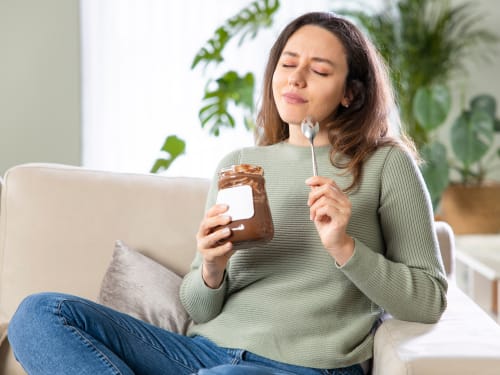
That sudden 4pm carb craving after a proper lunch isn’t a lack of willpower. It’s three biological systems colliding at exactly the wrong moment. Discover the metabolic science behind it and what actually helps.