
What’s in this audio? (Click to expand)
- Introduction: The 28-Day Myth: The marketing promise printed on virtually every moisturiser — and why expecting any skin to reset in 28 days is a biological fiction.
- How the Barrier Works: The stratum corneum’s bricks-and-mortar architecture, the critical 3:1:1 ceramide-cholesterol-fatty acid ratio, and the three-zone acid mantle with its ceramide factory manager and microbial army.
- How the Barrier Breaks: How Yorkshire tap water deposits microscopic limescale in your barrier, how S. aureus waits for a quorum before releasing filaggrin-eating proteases, and why the immune alarm (IL-4 and IL-13) makes healing worse by shutting down ceramide production.
- The Real Repair Timeline: Age-adjusted healing windows — 2–4 weeks in your 20s, 4–8 weeks over 50 — plus why oestrogen’s decline during perimenopause fundamentally slows the biological clock for barrier repair.
- Evidence-Based Home Care: Supplying pre-fabricated mortar with 3:1:1 ceramide creams, niacinamide’s fourfold boost to ceramide production via SPT upregulation, EPA resolvins that actively terminate the cytokine fire alarm, and why night application is biologically optimal.
- Professional Interventions: When eight weeks of diligent home care still isn’t enough — cold atmospheric plasma (CAP) disrupts S. aureus biofilm and suppresses IL-4/IL-13, while polynucleotides shut down the MMP Pac-Men devouring deeper collagen.
- Working With Your Biology: The closing argument for patience and collaboration — why supporting your skin’s natural intelligence will always outperform trying to override it with a quick fix.
What you need to know upfront is this: most barrier damage resolves in 2-6 weeks with proper support. But, that timeline varies significantly based on severity, your age, hormonal factors, and whether you continue exposing your skin to the stressors that damaged it in the first place.
You’ve probably read somewhere that “skin renews itself every 28 days.” It’s repeated so often it feels like gospel. But it’s not actually true.
The beauty industry has an honesty problem when it comes to time.
Many products promise a total reset in “2 to 4 weeks” regardless of who is using them. Why? Because “4 to 8 weeks depending on age and hormones” isn’t strapline-worthy, and admitting that mature skin requires double the recovery time clashes with the “ageless beauty” narrative of instant results.
The reality: barrier repair requires patience that matches your biology, not marketing timelines designed to drive sales.
The actual skin turnover cycle is 40-56 days for full epidermal renewal. [2] The stratum corneum, your actual barrier layer, turns over in about 14 days. [3] That difference matters when you’re trying to gauge how long the repair will take. Are you dealing with mild damage to just the surface, or deeper problems requiring epidermal renewal?
For those of us in our 40s and beyond, there is a reality rarely discussed in mainstream skincare: we are working with a different biological clock. Our barrier repair takes longer not because we are ‘failing’ our routines, but because our skin’s innate capacity for renewal has shifted. We’ll address this properly, as it is the single most significant factor in our personal repair timeline.

Let’s walk you through what’s actually happening during barrier repair, week by week. You’ll learn to recognise genuine healing versus continued damage, understand what speeds or slows recovery, and know when professional support might help. Most importantly, you’ll have realistic timeline expectations adjusted for your biology instead of generic marketing advice.
Understanding How Your Barrier Actually Repairs
Before we discuss timelines, know that barrier repair isn’t linear. It’s a complex response involving lipid synthesis, cell regeneration, and inflammation. And it’s happening all at once.
The Cell Turnover Reality (Debunking the Myth)
That “28-day skin renewal cycle” you’ve heard about? It’s marketing convenience, not science. The number originates from old textbook citations and has been perpetuated because it sounds neat, monthly, memorable. Skincare companies love it because it frames their products as working within a predictable cycle.
The actual research tells a different story. Full epidermal turnover takes 40 to 56 days in healthy adult skin, not 28. [2] Your stratum corneum, the outermost layer that forms your actual protective barrier, turns over in approximately 14 days. [3] These aren’t the same thing, and understanding the distinction matters for realistic recovery expectations.
Why does this matter for barrier repair? Because when you damage your barrier, it primarily affects the stratum corneum, but the repair process involves multiple skin layers working together. That 14-day stratum corneum cycle is your baseline for mild damage. Moderate to severe damage requires deeper renewal, which simply takes longer.
This is where it gets interesting for women over 40: these cycles slow down significantly with age and hormonal changes. We’ll explore this properly in a moment, because it’s the factor almost no one talks about but affects your timeline dramatically.
The Three Phases of Barrier Repair
Clinical studies using transepidermal water loss (TEWL) measurements have identified three distinct phases your barrier goes through during recovery. This helps you recognise what’s normal at each stage.
Immediate Phase (0-6 Hours): This is your skin’s emergency response. Pre-formed lamellar bodies stored in the stratum granulosum are rapidly secreted to patch the breach. Within 60-180 minutes, new lamellar bilayer units appear. [28] This immediate response partially recovers barrier function. It’s like applying a temporary patch whilst the real repair work gets organised.
Early Phase (6-24 Hours): Now the real work begins. Lipid synthesis upregulates dramatically. The enzymes responsible for producing ceramides, cholesterol, and fatty acids all increase their activity. [29] This is when inflammation peaks, then begins to moderate. Your skin is simultaneously defending against potential threats whilst initiating structured repair. This phase is critical because continuing to damage your barrier during this window can significantly extend overall recovery time.
Intermediate Phase (1-14 Days): This is where you’ll see visible improvement. Natural moisturising factor (NMF) increases. The intercellular lipid membranes that form your barrier’s “mortar” begin reforming with their optimal composition: approximately 40-50% ceramides, 25% cholesterol, and 10-15% free fatty acids. [4] When dermatologists talk about “barrier competence,” this is what they’re measuring.
How Dermatologists Actually Measure Recovery
Clinical assessment isn’t guesswork. Dermatologists use objective measurements, particularly the TEWL value.
Normal, healthy barrier function TEWL has under 10 g/m²/h. When you’re damaged, values exceed 20 g/m²/h, and often much higher. [4] During recovery, watching these numbers decline provides concrete evidence that repair is happening, even when you can’t see dramatic visual improvement yet.
Corneometry measures hydration directly. Very dry skin shows values under 30 AU (arbitrary units). Dry skin ranges from 30 to 40 AU. Sufficiently hydrated skin, indicating a healthy barrier, measures at least 45-48 AU. These aren’t abstract concepts. They’re the actual metrics used to track whether your barrier is genuinely healing or just feeling temporarily better.
Why Recovery Speed Varies So Dramatically
Not everyone heals on the same timeline. The factors affecting your specific recovery speed range from the obvious (severity of damage) to the less frequently discussed (your age and hormonal status). Understanding where you sit on these spectrums helps you set realistic expectations.
The Age Factor: Why Your Repair Clock is Different
This is the reality most skincare marketing glosses over: barrier repair doesn’t just look different in mature skin, it operates on a completely different clock. This isn’t about being defeatist or accepting decline. It’s about understanding biological reality so you can work with it rather than feeling frustrated when your recovery doesn’t match generic online timelines.
The research is unambiguous. Epidermal cell turnover reduces by approximately half between the ages of 30 and 70. What might take 28 days in a 25-year-old could take 40-60 days or longer in someone in their 50s. A study comparing young subjects (average age 24) with older adults (average age 67) revealed striking differences in barrier repair speed. [1]
Young skin showed gene expression peaks at 6 hours post-damage. Aged skin delayed to 30 hours. Full barrier recovery required 144 hours (6 days) in aged skin to reach levels that younger skin achieved much faster. [1] The mechanisms work, but they work more slowly.
What’s less certain is the precise timeline variation for perimenopausal women specifically, as most age studies compare young vs post-menopausal populations, missing the transition period when barrier changes may be most dramatic.
Beyond just speed, mature skin shows structural changes that specifically impair barrier repair. Lipid synthesis decreases. The processing of stratum corneum lipids becomes less efficient. Cytokine production and response after damage are altered. The skin’s pH becomes elevated, which disrupts enzyme function essential for lipid formation. Natural moisturising factors decline. Even the antimicrobial barrier function weakens. It can feel like a losing game: as we get older, we have to work twice as hard just to help our skin do what it used to do naturally.
This is the critical insight that validates what you might already be experiencing: baseline barrier function can appear comparable between young and mature skin when everything’s stable. But when your barrier is stressed or damaged, the repair capacity difference becomes pronounced. You might not realise your barrier is more vulnerable until damage occurs, and then recovery takes significantly longer than the “2 to 4 weeks” you’ve read about online.
Age-Adjusted Timeline Expectations:
In your 20s or early 30s, moderate barrier damage typically resolves in 2-4 weeks with proper care.
In your late 30s and 40s, expect 3-6 weeks for the same level of damage.
If you’re 50 or over, allow 4-8 weeks for moderate recovery.
These are realistic rather than pessimistic estimates, based on how aged skin actually behaves. Knowing this helps you maintain consistency rather than giving up at week 3 because you haven’t achieved the results some influencer promised.
If you’re navigating skin changes in your 40s, our guide to skincare after 40 explores how hormonal shifts affect your skin’s behaviour, from collagen production to barrier function.
Hormonal Flux: The Invisible Hand in Barrier Repair
We often treat barrier repair as a surface-level problem, but for women in their 40s, the process is governed by internal chemistry. The fluctuating hormones of perimenopause create a moving target for healing. It’s a biological reality that most generic online timelines fail to account for.
Oestrogen acts as a silent architect for our skin’s resilience. As levels fluctuate during perimenopause, our barrier’s ability to bounce back often shifts in tandem. The data behind this is a stark reminder of why we feel the change so acutely: research shows we can lose up to 30% of our skin’s collagen within the first five years of menopause, followed by a steady annual decline. [8] But it’s the concurrent drop in lipid production - the ‘glue’ of our skin barrier - that really slows the repair clock, making recovery feel like an uphill climb.
The timeline of hormonal impact matters more than we might realise. During the perimenopause transition, typically lasting four to five years before the final menstrual period, oestradiol levels become increasingly erratic, fluctuating dramatically from week to week. While some women experience occasional surges to levels higher than their reproductive years, the overall trajectory is downward, culminating in a steep decline around the time of menopause itself. Postmenopausal women have oestradiol levels between 10 to 20 pg/mL; a fraction of premenopausal values. [9] This creates an extended window of barrier vulnerability, with unpredictable hormonal fluctuations precisely when many of us are trying to maintain active skincare routines and wondering why our skin suddenly seems so reactive.
The clinical evidence explains why this feels so frustrating. [19] Transepidermal oestrogen reduces TEWL and improves barrier function. Oestrogen influences keratinocyte proliferation, the function of fibroblasts, and wound healing capacity. [20] As levels decline, you see measurable changes: increased stratum corneum thickness (indicating disrupted homeostasis rather than improved barrier), and reduced ceramide levels with increased cholesterol (the wrong ratio for optimal function). Even our internal hydration system takes a hit; we lose CD44 expression, the essential receptor that allows our skin to actually hold onto hyaluronic acid. [21]
Over 60% of women report skin issues during perimenopause and menopause. [13] If you’re perimenopausal and finding barrier repair slower than expected, you’re experiencing a documented biological reality. Your timeline expectations should factor this in, not because you’re deficient but because your hormonal environment genuinely affects repair capacity.
Severity Assessment: Know What You’re Working With
Understanding your barrier damage helps you gauge a realistic recovery timeline. Here’s a practical framework for assessment.
Mild Damage typically results from recent over-exfoliation or a brief product reaction. You might experience occasional stinging from products, slight dryness or tightness, and minimal visible irritation. Recovery timeline: 2-3 weeks for younger skin, extending to 3-4 weeks in your 40s or beyond.
Moderate Damage comes from chronic harsh product use or extended environmental exposure. Signs include persistent redness and sensitivity, products consistently stinging, noticeable flaking and roughness, and your skin is never quite comfortable. For younger skin, recovery takes 4-6 weeks. If you’re 40+, expect 6-8 weeks, possibly longer if you’re perimenopausal.
Severe Damage involves complications from chemical peels, retinoid overuse, or underlying pathological conditions. You’ll experience widespread inflammation, possibly signs of infection, and your skin will become genuinely compromised. This requires 8-12+ weeks for younger people, potentially 12-16 weeks or more for mature skin, and almost always benefits from professional intervention. When barrier damage is this extensive, trying to self-treat for months isn’t just frustrating; it’s potentially extending recovery by not addressing underlying causes.
Self-Assessment Checklist:
- Do products sting that didn’t before? Yes/No
- Does your skin feel tight within 30 minutes of cleansing? Yes/No
- Is your skin more reactive to weather or touch? Yes/No
- Has your skin become noticeably rougher or flakier? Yes/No
- Are you experiencing more redness or sensitivity? Yes/No
Three or more “yes” answers indicate your barrier needs support. Five “yes” answers, especially if symptoms are worsening, suggest that a professional assessment would be beneficial.
Underlying Conditions That Extend Recovery
Sometimes, what seems straightforward barrier damage is actually a symptom of an underlying condition. These situations require different management approaches because you’re managing chronic barrier vulnerability.
Atopic dermatitis (eczema) involves barrier dysfunction in what researchers call a “critical and often early feature.” Approximately 20% of people with atopic dermatitis (up to 50% in moderate-severe cases) [11] have filaggrin gene mutations, which create an inherent barrier deficiency. [10] Even when your eczema isn’t actively flaring, your skin shows decreased ceramide levels in both affected and seemingly normal areas. Clinical measurements reveal the difference: healthy skin averages TEWL around 12 g·m⁻²·h⁻¹, whilst atopic eczema lesions measure 28.68 g·m⁻²·h⁻¹, more than double. [14]
Rosacea patients show what RNA sequencing studies describe as “profoundly diminished skin barrier.” Research has identified 15 significantly affected pathways in skin barrier formation. [22] The elevated skin pH associated with rosacea increases protease activity, creating a “vicious circle” where barrier disruption triggers inflammation, which further compromises the barrier.
Psoriasis involves hyperproliferation and abnormal differentiation of skin cells, causing structural damage to barrier function. TEWL in psoriatic plaques averages 18.48 g·m⁻²·h⁻¹, and stratum corneum hydration is drastically reduced compared to healthy skin. [14]
If you suspect an underlying condition is affecting your barrier recovery, a professional assessment becomes essential rather than optional. These aren’t situations where patience and ceramide cream alone will resolve the problem.
Environmental Factors: The UK-Specific Challenge
If you live in Yorkshire, the Southeast, or East Anglia, there’s an environmental factor affecting skin barrier health that you might not have considered: hard water.
More than 60% of homes in the UK have hard water, having significant amounts of calcium and magnesium carbonate. [16] These minerals don’t just leave limescale on your kettle. They interfere with your skin’s natural pH and disrupt normal barrier function. A massive UK Biobank study involving over 385,000 adults found that living in areas of hard water was associated with a 12% increase in the odds of having eczema. [5]
The mechanism is straightforward: calcium ions alter how your skin barrier functions, increasing TEWL and reducing the effectiveness of your moisturisers. The effect is particularly pronounced if you have filaggrin mutations, though you might not know whether you do.
Practical solutions exist. Cleansers containing chelating ingredients like gluconolactone or phytic acid bind to those mineral ions before they interact with your skin. A final rinse with micellar water can also help.
Our article What Does Hard Water Do to Your Skin? looks into the issues in more detail, including the 4 acid mantle disrupting mechanisms.
Beyond hard water, British winters create their own barrier challenges. That combination of cold outdoor temperatures reducing your skin’s oil production, dry indoor heating stripping moisture from the air, and damp chill that seems to penetrate everything. It’s the perfect storm for barrier stress. Our autumn skincare guide addresses seasonal transitions and how to protect your barrier through climate changes.
Lifestyle Factors That Slow Healing
Your daily habits affect barrier recovery more than you might realise.
Sleep consistency matters more than most people realise, and the barrier specifically pays the price for poor sleep habits. Your circadian rhythm doesn’t just regulate when you feel tired. It directly controls the timing of epidermal repair activity, ceramide synthesis, and the overnight surge in skin blood flow that makes cellular maintenance possible. Disrupting that rhythm through inconsistent bedtimes, late nights, or interrupted sleep doesn’t just leave you feeling groggy. It compresses or fragments your skin’s active repair window. The biology can’t be rushed, but it can absolutely be interrupted.
Practically, this means treating sleep as part of your barrier routine, not separate from it. A consistent bedtime (even at weekends), a wind-down that avoids bright screens in the hour before bed, and a bedroom that’s cool rather than warm, are the habits that give your barrier its best chance. If you’re applying barrier-support products and not seeing progress, sleep quality is worth examining before adding more products to your routine. We cover what actually happens at a biological level during sleep, and how to time your skincare around it, in the interventions section below.
Stress affects your barrier through cortisol. Elevated cortisol specifically inhibits lipid production, particularly cholesterol and ceramides, which your barrier needs to repair itself. [18] Research has shown it measurably delays barrier recovery time. This is the brain-skin axis in action: your psychological state creates hormonal changes that affect your physical barrier. Extra barrier support during stressful periods isn’t indulgence, it’s a biological necessity.
Nutritional factors matter too. Your barrier repairs require building blocks from your bloodstream: fatty acids, proteins, and vitamins. Inadequate nutrition impairs regeneration. Processed foods and excess sugar affect barrier lipid synthesis pathways. There’s even emerging research suggesting glycation (where sugar molecules bind to proteins) may affect ceramide synthesis, though this needs more study.
Your Barrier Recovery Roadmap (Week by Week)
Now for what you actually came here to find: realistic week-by-week expectations based on clinical evidence. These timelines are based on TEWL measurements and patient-reported outcomes from clinical studies, not speculation.
Important caveat: Individual variation is normal, so use this as a guide, not gospel. If you’re 40 or older, add 1 to 2 weeks to each milestone. If you have underlying conditions, expect longer timelines. The key is consistent, gentle care. Rushing extends the timeline, always.
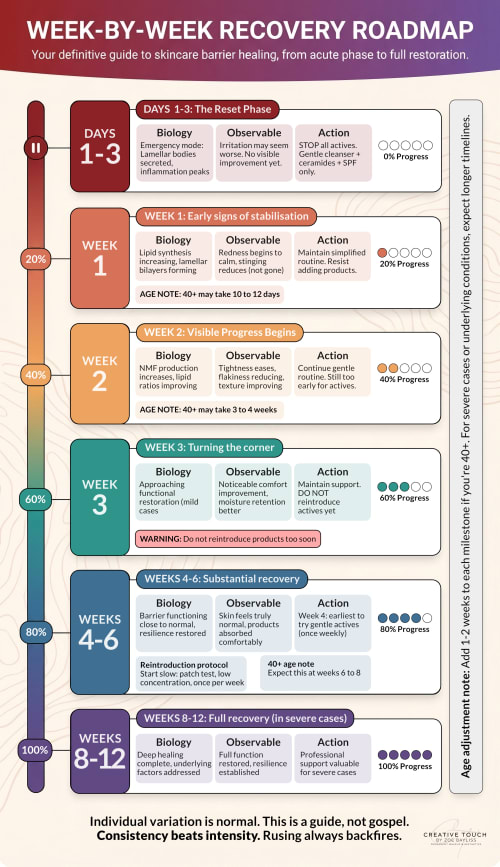
Days 1-3: The Reset Phase
What’s happening inside your skin: Your barrier has shifted into emergency mode. Those pre-formed lamellar bodies are being secreted rapidly to patch the breach. Inflammation may briefly peak before improving. This is normal. You’re not making things worse, you’re just in the acute phase whilst your skin shifts from “damage mode” to “repair mode.”
Your action plan is ruthlessly simple: Stop all actives immediately. No retinoids, no acids, no vitamin C, nothing even slightly stimulating. Your routine for the next few weeks is: gentle cleanser, ceramide-rich moisturiser, SPF in the morning. Come evening, add an occlusive layer ( petrolatum, squalane, beeswax) that seals everything in.
Resist the overwhelming temptation to “help” with additional products. Every new product is a potential irritant. Your barrier needs simplicity, not complexity.
What you might notice: Irritation may initially seem worse. This is because you’ve removed all the buffering products that were masking your barrier’s true, compromised state. Your skin feels vulnerable and sensitive because it is. You won’t see visible improvement yet. It’s too soon. This phase is about stopping further damage, not achieving visible healing.
Progress markers for Days 1-3: Products no longer sting quite as much (not gone, but less). You’ve successfully removed all actives from your routine. You’ve resisted adding “helpful” products back.
Week 1: Early Signs of Stabilisation
Biologically, things are ramping up: Lipid synthesis is increasing significantly. Initial lamellar bilayer formation is happening. Inflammation is beginning to moderate from its peak.
What you might notice: Redness may begin to calm, though not dramatically. The stinging and burning sensation reduces. Not gone, but less. Your skin still feels fragile, and that’s because it genuinely is. Don’t expect dramatic visual improvement yet.
The common temptations you must resist: “It’s been a week, surely I can add [insert product name] back?” No. “My skin looks dull, maybe gentle exfoliation would help?” Absolutely not. “This moisturiser seems too basic…” This is exactly what your skin needs right now.
Why patience matters so much at this stage: your barrier is in critical early repair. Adding products now interrupts lipid matrix formation, so you must complete this phase before rebuilding your routine.
Progress markers for Week 1: Reduced stinging when applying basic moisturiser. Less overall redness compared to Day 1. Fewer unpredictable reactive flare-ups. Successfully maintained simplified routine despite temptation.
Age factor: If you’re 40 or older, you might not see these improvements until Days 10-12. This doesn’t mean you’re failing. It means your skin is working on its own timeline.
Week 2: Visible Progress Begins
What’s happening biologically: Natural moisturising factor production is increasing. The intercellular lipid membranes that give your barrier its structure are forming properly. The ratios of ceramides, cholesterol, and fatty acids are improving.
What you might notice: Tightness starts to ease. Your skin holds moisture longer between applications. Flakiness is reducing noticeably. Products absorb more comfortably. Some normal texture is returning. Makeup application becomes less problematic.
Reality check: Your skin still isn’t healed. It’s vulnerable. It’s too early for actives. The gentle routine must continue, no negotiations.
Progress markers for Week 2: Skin holds moisture longer between applications. Tightness after cleansing is significantly reduced. Texture smoother to the touch. Products sit better on your skin surface. You can tolerate gentle pressing or touching without discomfort.
Age factor: If you’re 40+, these improvements might not appear until Weeks 3-4. Your barrier is healing, but mature skin requires more time to rebuild its structure properly.
Week 3: Turning the Corner
Biologically, you’re approaching functional restoration (at least for mild damage cases). TEWL measurements would be improving toward the normal range. Your lipid matrix is becoming competent.
What you might notice: Noticeable comfort improvement. Moisture retention is markedly better. You’re less reactive to environmental changes like weather shifts or central heating. There’s a genuine confidence returning that your skin is healing, not just temporarily feeling better.
The critical temptation: “This feels so much better, surely I can resume actives now?” This is the #1 reason timelines extend. Don’t do it. Your barrier needs full completion of this repair cycle. Reintroducing products too soon restarts the damage process, and you end up extending recovery by weeks.
Progress markers for Week 3: Dramatic difference from Week 1 (take photos to compare if you didn’t already). Products absorb comfortably without any stinging. Skin feels resilient rather than fragile. Minimal reactive episodes. Normal hydration throughout the day without constant reapplication.
For mild damage: You’re approaching full recovery. Maintain your routine for an extra week, then consider very gradual active reintroduction following the protocol we’ll discuss.
For moderate damage: You’re about halfway there. Continue your support approach.
Age factor: If you’re 40+, you might be where younger skin was at Week 2. This is a biological reality, not a personal failure.
Weeks 4-6: Substantial Recovery (Moderate Damage)
What’s happening biologically: For most moderate barrier damage, substantial healing has been achieved by this point. Your barrier is functioning close to normal; resilience has been restored.
What you might notice: Skin feels truly normal again. Products no longer cause any sensitivity whatsoever. You can tolerate environmental stressors you couldn’t during the acute phase. Weather changes and central heating no longer trigger immediate distress. Your confidence in your skin is fully restored.
Product reintroduction consideration: Week 4 is the earliest you should consider reintroducing gentle actives, and only if you’re seeing all the positive markers. Start with the lowest strength available of whatever you’re adding back. One product only. Once weekly initially.
Graduated reintroduction protocol: Weeks 4-5, start with antioxidants first (stable vitamin C derivatives at 5-10% concentration). Assess tolerance. If no issues after a week, increase to twice weekly. Week 6-7, if all is tolerated well, consider gentle retinol alternatives like 0.5% bakuchiol 2-3 times weekly. Wait until Weeks 8-9 before attempting traditional retinoids if you use them, and even then, build slowly.
Progress markers for Weeks 4-6: Zero sensitivity to gentle products. Skin feels balanced, neither tight nor greasy. Makeup applies smoothly and stays in place all day. Resilient to minor stressors that would have triggered reactions earlier. Hydration feels genuinely locked in, not requiring constant reapplication. Texture is fully smooth.
Age factor: If you’re 40+, expect to reach this phase at Weeks 6-8 instead of Weeks 4-6. Add two weeks to the reintroduction timeline as well.
Weeks 8-12: Full Recovery (Severe Cases)
If your barrier damage was severe or if you have underlying conditions affecting your barrier, this is your restoration window. Professional support becomes particularly valuable here because you’re likely dealing with factors beyond just damaged skin.
You may need to address underlying causes - medical conditions, medications, and environmental factors that aren’t easily changed. Patience is absolutely essential. Rushing at this stage can cause setbacks, extending recovery even further.
Professional intervention considerations: If you’re seeing no improvement by Week 8 despite proper care, symptoms are worsening rather than stabilising, you suspect an underlying condition, or the impact on your quality of life is significant, professional assessment helps identify what home care is missing.
The reality of UK healthcare is something worth acknowledging. NHS dermatology waiting times currently average about 43 weeks from referral to first appointment. [17] Some areas report waits exceeding a year. The NHS is invaluable for serious conditions requiring medical diagnosis and treatment, but these timelines can be challenging when barrier damage is affecting your daily life right now.
Private aesthetics clinics like ours can provide interim support and assessment. We can’t replace dermatology when serious medical conditions require diagnosis. But we can help with barrier repair protocols, inflammation management, and supporting your skin whilst you wait for NHS appointments if needed.
When to see whom:
Your GP: for suspected infection, severe symptoms, when you need a dermatitis diagnosis, or prescription treatments.
Private aesthetics clinic: for barrier repair support, professional treatments that accelerate healing, cosmetic concerns alongside barrier issues.
Dermatologist: for complex conditions, treatment-resistant problems, medication management, and definitive diagnosis of chronic skin conditions.
How to Know It’s Working (Progress Markers at Every Stage)
Recovery isn’t always linear, and it’s not always visually obvious in the mirror when we look at our faces daily. These concrete markers help you track whether you’re genuinely healing or just having a temporarily good day.
Early signs (Days 1-14): Reduced stinging when applying products, even if not completely gone. Less redness overall (comparing to photos from the start helps enormously). Fewer sudden reactive flare-ups to things like weather changes or accidentally touching your face. Slight reduction in tightness after cleansing.
Mid-recovery signs (Weeks 2-4): Skin holds moisture noticeably longer between applications. Tightness after cleansing is significantly reduced or gone. The texture is smoother when you touch it. Products sit better on skin without emphasising dry patches or settling into lines. Makeup application is steadily improving rather than being a daily struggle.
Full recovery signs (Weeks 4-6+ depending on severity and age): Products absorb comfortably without any stinging sensation. Skin feels balanced, not tight in some areas and greasy in others. Makeup applies smoothly and stays in place throughout the day. Significantly less reactive to weather or environmental changes. Resilience to minor stressors restored. You can touch your face without tenderness. Texture is fully smooth and even. Hydration feels “locked in” throughout the day rather than requiring constant reapplication.
Taking progress photos: Same lighting, same angle, same time of day. Every 3-4 days during active repair. You’ll notice changes you miss when looking in the mirror daily. This is particularly useful for tracking redness reduction, which happens gradually enough that you won’t notice day-to-day, but becomes obvious in photos taken a week apart.
When progress stalls: If you’ve hit a plateau and improvement has genuinely stopped rather than just slowed, reassess for hidden irritants. Hair products that touch your face. Laundry detergent residue on pillowcases. Fragranced products you didn’t think to check. Consider hard water if you’re in an affected area. Evaluate stress levels. Check whether you’re unconsciously touching or picking at your skin. If progress is truly stuck despite addressing these factors, a professional assessment can identify what you’re missing.
What Actually Accelerates Recovery (Not Marketing Hype)
Let’s be rigorous about what genuinely helps versus what sounds good in marketing copy. We’re categorising interventions by evidence quality because honesty matters more than hope.
Strong Evidence: These Genuinely Help
Topical ceramides, but only in properly formulated products. Clinical evidence shows sustained improvements in TEWL and hydration. The key requirement: a 3:1:1 by weight ratio of ceramides, cholesterol, and fatty acids. [12] This isn’t just marketing jargon. It’s the ratio your barrier actually needs.
Why is the combination important? Early animal studies demonstrated that ceramide alone actually delayed barrier recovery. It’s specifically the 3:1:1 combination that accelerates repair. [31] A 2023 meta-analysis of ceramide moisturisers found they significantly improved atopic dermatitis (AD) severity scores but were no better than other moisturisers at reducing TEWL, suggesting the benefits may be more complex than simple barrier restoration. [32]
Why is product formulation so vital? One study found that improvements from certain ceramide ratios were only observed within the first few hours of application, raising questions about sustained benefit. [33] The critical factor does appear to be proper formulation: ceramides heated to high temperatures during manufacture and combined with the optimal 3:1:1 ratio of cholesterol and fatty acids show consistent clinical benefits, whilst simpler ceramide-only formulations show variable or limited results. [34]
Based on current evidence and our clinical experience with clients, products listing multiple ceramide types (NP, AP, EOS) at therapeutic concentrations with documented ratios deliver more predictable barrier repair than generic ‘ceramide’ claims.
Niacinamide at 2-5% concentration has strong evidence behind it. It increases ceramide biosynthesis 4.1 to 5.5-fold in skin cells. [6] It also increases glucosylceramide by 7.4 times, sphingomyelin by 3.1 times, free fatty acids by 2.3 times, and cholesterol by 1.5 times. [6]
However, niacinamide isn’t universally tolerated. Whilst generally well-tolerated at lower concentrations, higher concentrations (>10%) can cause redness, flushing, and irritation in sensitive individuals. [35]
For women with rosacea-prone or highly sensitive skin, even standard 5% concentrations may prove irritating. Safety testing has shown marginal irritation at concentrations as low as 2.5% in some individuals. [35]
Practical guidance: Start with 2% formulations if you have sensitive or reactive skin. If you experience persistent flushing, stinging, or worsening redness, niacinamide may not suit your skin chemistry. Alternative barrier-supporting ingredients include panthenol ( vitamin B5) or centella asiatica, which offer more gentle support.
Sleep is the only intervention in this list that costs nothing and outperforms almost everything else. A study of 60 participants found 30% greater barrier recovery at 72 hours in good sleepers compared to poor sleepers. [7] But the reason it works so well comes down to what your body is actively doing during those hours. During deep sleep, growth hormone secretion peaks. This is the signal that drives cell turnover, collagen synthesis, and tissue repair across the body, skin included. Skin surface temperature also drops slightly during sleep, which reduces transepidermal water loss and means your barrier loses less moisture at the exact moment it’s trying to rebuild. Blood flow to the dermis increases, delivering the nutrients and oxygen that repair requires. All of this happens on a timed biological schedule. You cannot replicate it with a serum.
There’s also a practical opportunity here. Because skin temperature drops and blood flow increases overnight, the hours immediately after you apply your evening products are when absorption and penetration are most efficient. Applying your ceramide moisturiser or barrier-repair serum as the last step before bed means the active ingredients are present during the period of peak repair activity. The 7 to 9 hours your barrier needs aren’t passive recovery time. They’re the window when most of the actual work happens. If you want to understand the full picture of what occurs in your skin between lights-out and morning, our article on nighttime skin rejuvenation covers the circadian biology in detail.

Fatty acids are essential for barrier repair. That’s not in question. Your stratum corneum requires correct lipid composition to function properly. What deserves reassessment is the traditional emphasis on linoleic acid specifically. Whilst it’s a precursor for omega-hydroxy ceramides, the evidence supporting high-linoleic oils comes largely from extreme deficiency studies and a frequently cited trial of just 19 participants examining topical application only. Meanwhile, polyunsaturated fats are chemically unstable and oxidise into compounds linked to skin ageing. Saturated fatty acids show equivalent effectiveness for barrier restoration in limited comparative studies, with the advantage of oxidative stability.
Omega-3 fatty acids have been studied extensively for skin health, with mixed results that deserve examination. Multiple randomised controlled trials and meta-analyses show improvements in hydration, elasticity, and TEWL, particularly for inflammatory skin conditions. [37] These work primarily through immunomodulatory and anti-inflammatory benefits rather than providing direct structural barrier components.
That said, the evidence is less consistent than headlines suggest. A 2020 review noted that studies examining omega-3 application in common skin diseases produced “mostly opposing and inconclusive” results. [38] One trial of hempseed oil (rich in omega-3 and omega-6) showed a trend toward improved TEWL, but this was not statistically significant. [39] Another study found fish oil supplementation improved AD scores by 30%, but the control group given corn oil showed similar improvement, raising questions about specificity of effect. [39]
Perhaps most concerning for direct barrier application: animal research has shown that topical application of purified omega-3s ( EPA or DHA at 0.5%) actually induced epidermal hyperproliferation in guinea pigs, [40] whilst olive and soybean oils delayed barrier recovery in an essential fatty acid deficiency model. [41] This suggests omega-3s may work through systemic anti-inflammatory mechanisms rather than direct barrier support.
The evidence supporting omega-3 for barrier function appears strongest when: (1) baseline omega-3 status is low, (2) the omega-6 to omega-3 ratio is highly imbalanced (typical of modern diets), [30] and (3) supplementation is oral rather than topical. [39] What may matter most isn’t simply adding omega-3, but correcting the overall PUFA balance.
Practical interpretation: Omega-3 supplementation represents a reasonable adjunctive approach for barrier support, particularly during inflammatory barrier conditions or if your diet is high in omega-6 (processed foods, vegetable oils). However, expecting dramatic barrier repair from omega-3 alone isn’t supported by consistent evidence. It’s most valuable as part of a combined anti-inflammatory strategy alongside proven topical barrier support.
Our Zinzino BalanceOil product page has more information on omega-6:omega-3 ratio testing.
Moderate Evidence: Likely Helpful, Needs More Research
LED and red light therapy using wavelengths between 630-700nm show promise. A study using porcine skin demonstrated that red light irradiation at approximately 40 mW/cm² significantly accelerated recovery. [25] The mechanism works through keratinocyte signalling pathways. [26] A systematic review of 31 randomised controlled trials gave LED therapy a Grade B recommendation for wound healing, acne, and herpes infections, however most other dermatological applications received Grade C or D recommendations due to limited or conflicting evidence. [27]
The challenge with LED therapy research is substantial variability in treatment parameters: wavelength, power density, duration, and distance from skin all vary dramatically across studies, making direct comparison difficult. Harvard Health noted in 2019 that “it’s too early to know whether these devices are effective” for most skin concerns, citing the lack of large studies. [36]
Our assessment: LED therapy represents promising but still-developing technology. The evidence supports its use for specific indications (wound healing, inflammatory conditions), but claims for general ‘skin rejuvenation’ or barrier repair remain inadequately proven. If considering LED for barrier support, it’s best viewed as adjunctive therapy alongside proven approaches like ceramide formulations and gentle care, not as a standalone solution.
We offer LED light therapy here at Creative Touch, both as a standalone treatment and integrated into combined regenerative protocols.
PRP (platelet-rich plasma) and iPRF (injectable platelet-rich fibrin) treatments show improved barrier function markers in small studies. One study demonstrated significant improvements in skin capacitance (hydration), TEWL, and smoothness after three sessions. [44] The limitation is that most research focuses on rejuvenation outcomes rather than barrier-specific outcomes. Clinically, these treatments are particularly useful for severe or stubborn cases where your skin needs more support than topical products can provide.
If you’re curious about why these treatments support barrier recovery, the mechanisms are worth understanding. Both PRP and iPRF work by concentrating your own growth factors, particularly platelet-derived growth factor (PDGF) and transforming growth factor-beta ( TGF-β), which signal keratinocytes and fibroblasts to accelerate tissue renewal. For a detailed breakdown of how your blood becomes a regenerative treatment, including the difference between PRP and iPRF preparation and what the research says about each, see our article on the science behind PRP and iPRF.
Limited or Theoretical Evidence: Promising But Unproven
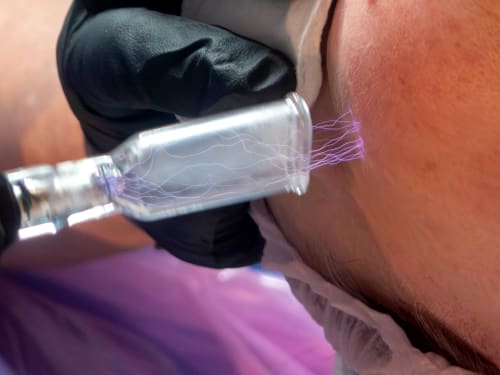
Cold atmospheric plasma shows promise through immune modulation and antimicrobial effects rather than direct barrier acceleration. Research shows TEWL increases immediately after treatment but recovers within three hours. A clinical study involving 22 patients with atopic dermatitis showed significant improvement by week 4; [23] however, evidence specifically examining the acceleration of barrier repair in non-pathological damage remains limited. Its best use appears to be inflammation management and antimicrobial effects in barrier-compromised conditions. We offer cold plasma treatment for clients dealing with inflammatory barrier conditions.
Oral ceramides ( phytoceramides) from wheat or rice have encouraging initial evidence. An open-label study using a rice-derived supplement containing 1.8mg of glucosylceramides daily for 12 weeks showed hydration improvement of 31.9% on the arm and 22.8% on the cheek. [24]
However, several significant limitations temper our enthusiasm. First, “the fate of ingested ceramide and the mechanisms underlying skin barrier improvement are still obscure,” [42] according to a 2019 review. We don’t actually know whether oral ceramides reach the skin intact, are broken down and resynthesised, or work through entirely different mechanisms. Second, studies on oral ceramides are “extremely scarce” [24] compared to the extensive research on topical application. Third, the positive studies tend to be open-label (participants knew they were taking ceramides), which introduces potential placebo effects and reduces confidence in findings.
One 2024 double-blind, placebo-controlled study of wine lees-derived ceramides showed only a non-significant trend (p=0.07) toward improved TEWL at 8 weeks, achieving statistical significance only at 12 weeks. [43] This suggests effects, if real, develop slowly and may be modest.
This represents a notably weaker evidence base than topical ceramides or omega-3 supplementation, with researchers noting that oral ceramide studies remain “extremely scarce” and calling for additional rigorous trials. [24]
Our assessment: Oral ceramides represent an interesting but unproven approach. The theoretical mechanism is plausible, and some preliminary data is encouraging. However, the evidence isn’t yet extensive or rigorous enough to make strong claims about effectiveness. If you’re interested in trying oral ceramides, approach them as experimental adjunctive therapy, not as a replacement for proven topical barrier support. The modest cost and excellent safety profile mean there’s little downside to trying them for 12 weeks to assess individual response, but expectations should remain conservative.
What Doesn’t Help Despite Temptation
Adding more products creates more potential irritants. Each new product is another substance your compromised barrier must process. Barrier repair requires simplicity, not complexity. Wait until your barrier is stable before rebuilding your routine.
“Healing” with actives like retinol or acids doesn’t work because these ingredients work precisely by controlled barrier disruption. Using them during active damage extends recovery times. Save them for the maintenance phase after full recovery.
Aggressive hydration and over-moisturising is actually a thing. Too much occlusion can disrupt natural barrier processes. Your skin needs adequate support, not excessive smothering.
Impatience consistently causes setbacks that extend timelines. Rushing always backfires. Consistency beats intensity. Trust the process, even when it feels slower than you’d like.
Why Timelines Extend (And How to Stay On Track)
Understanding common setbacks helps you avoid them. These are the patterns we see repeatedly that extend recovery unnecessarily.
Introducing Products Too Soon (The #1 Mistake)
The temptation hits around Week 3 when your skin feels dramatically better. “Surely I can add retinol back now?” or “My skin feels boring without vitamin C” or “Just this one acid toner, it’s gentle.”
This backfires because your barrier might feel 80% better, but it isn’t structurally complete. Actives work by controlled disruption. Reintroducing them too soon restarts the damage cycle. You end up extending recovery by weeks, sometimes having to start the entire process over.
Safe reintroduction protocol: Wait until symptoms are fully resolved, not just “much better.” Start with one product at a time. Use the lowest strength available. Apply once weekly initially. Wait 1-2 weeks before assessing tolerance. If any sensitivity returns, pause and reassess.
Suggested sequence: Antioxidants first (stable vitamin C derivatives at 5-10%). After 2-3 weeks of good tolerance, add gentle retinol alternatives (0.5% bakuchiol). After another 2-3 weeks of tolerance, consider traditional retinoids if desired. Acids come last because they are the most disruptive.
Environmental Factors You Can’t Control (But Can Mitigate)
British autumn and winter are particularly challenging for barrier health. Cold outdoor air combined with dry indoor heating creates barrier stress. You may need to adjust your routine seasonally, using richer moisturisers in winter and lighter formulations in summer.
Central heating reduces indoor humidity dramatically. Consider a humidifier in your bedroom where you spend 7-9 hours sleeping and repairing. Keep your barrier support products richer during heating season.
Travel and climate transitions stress barriers. Planes are particularly dehydrating. Climate transitions challenge your barrier’s adaptation capacity. Pack barrier-supportive products when travelling rather than assuming you can use hotel toiletries or whatever’s available at your destination.
The Retinol Paradox: Balancing Retinoid Use With Barrier Health
Here’s the dilemma many women in their 40s face: you want retinoids for collagen support and cell turnover, but they disrupt your barrier function. How do you balance both goals?
The solution involves priorities and realistic expectations. First, prioritise barrier repair. A compromised barrier ages skin faster than the lack of retinoids. Second, build tolerance extremely gradually once your barrier is stable. Rushing defeats the purpose. Third, use strategic scheduling: retinoids 2-3 times weekly, not daily, with ceramide-rich moisturisers on “off” nights. Fourth, accept that mature skin may never tolerate daily retinoids, and that’s fine. Three times weekly with a healthy barrier produces better results than daily use with a compromised barrier. Finally, consider gentler alternatives during vulnerable periods: bakuchiol or peptides; however, the evidence for these is thinner.
Our skincare after 40 article discusses retinoid evidence and alternatives in more detail, including the difference between over-the-counter retinol and prescription tretinoin.
Knowing When You Need Help Beyond Home Care
Sometimes home care isn’t enough. Recognising when you need professional assessment helps you avoid months of frustration trying approaches that aren’t addressing the real problem.
Signs You Should Book a Consultation
No improvement after 6-8 weeks of consistent, simplified home care suggests underlying factors that need professional identification. For women 40 and older, consider consultation after 8-10 weeks, given your naturally slower repair timeline.
Symptoms worsening despite gentle care mean something more significant is happening. If your barrier is deteriorating even with barrier-supportive products, you need professional eyes on your skin.
Suspected underlying conditions such as eczema, rosacea, psoriasis, or seborrhoeic dermatitis require diagnosis. Barrier damage can be a symptom of these conditions. Professional diagnosis matters because it needs specific management beyond barrier repair alone.
The impact on quality of life means waiting months isn’t reasonable. If skin discomfort is affecting your confidence, sleep, or daily activities, professional support can meaningfully accelerate recovery.
Signs of infection (oozing, yellow crusting, increasing pain) require immediate medical attention. Don’t attempt home treatment for suspected infection.
What Professional Assessment Offers
Comprehensive barrier evaluation includes clinical assessment of damage severity, identification of contributing factors you might have missed, screening underlying conditions, and personalised timeline expectations for your specific situation, not generic online advice.
Treatment options that accelerate healing become available. Treatments such as cold plasma, LED therapy, and regenerative approaches can speed recovery. Assessment identifies treatments suitable for your specific barrier state and whether professional intervention is likely to help. This is particularly valuable for severe or stubborn cases.
The UK Healthcare Reality
The NHS pathway involves a GP referral for dermatology. Current waiting times from referral to first appointment can be long. Some areas report waits exceeding a year. The NHS is invaluable for serious conditions requiring medical diagnosis and treatment, but these timelines can be challenging when barrier damage is affecting your daily life right now.
Private aesthetics clinics such as Creative Touch can provide interim support and assessment. We can’t replace dermatology when serious medical conditions require diagnosis. We can help with barrier repair protocols, inflammation management, and supporting your skin whilst you wait for NHS appointments if needed.
When to see whom:
GP: for suspected infection, severe symptoms, need for dermatitis diagnosis, prescription treatments.
Private aesthetics clinic: for barrier repair support, professional treatments, cosmetic concerns, alongside other barrier issues.
Dermatologist: for complex conditions, treatment-resistant problems, medication management, and definitive diagnosis.
What to Expect from a Barrier Health Consultation
During a barrier health consultation, we assess your current barrier state through clinical evaluation. We identify contributing factors, including products, environment, lifestyle, and age-related factors. We categorise severity to establish realistic timeline expectations for your age and circumstances. We look for underlying condition indicators that might need medical referral.
We create a personalised repair plan that combines appropriate home care with professional treatments if they’ll help. We provide product recommendations for your barrier needs rather than generic suggestions. If treatment is appropriate, we schedule based on your specific situation. We establish a follow-up plan to monitor progress and adjust the approach if needed.
Available treatments for barrier support include cold plasma treatment for inflammation management, LED light therapy for accelerated healing, iPRF treatment for regenerative support, and PRP skin treatment for growth factor stimulation.
Your Barrier Can Heal
Here’s what to remember as you navigate barrier recovery: most barrier damage resolves in 2-6 weeks with proper support for younger skin, but if you’re in your 40s or beyond, add 2-4 weeks to these expectations. Severe cases or underlying conditions take 8-12+ weeks or longer, often benefiting from professional support.
The factors that matter most aren’t the ones typically emphasised online. Age is often overlooked, yet repair capacity declines significantly after 40. Hormonal changes during perimenopause further compromise barrier function. Severity determines your baseline timeline, so an honest assessment is vital. Underlying conditions extend recovery and may need professional management. And consistency beats intensity every time. A simplified routine maintained for the full duration trumps an elaborate routine abandoned after two weeks.
What genuinely helps: ceramide-rich products properly formulated with the 3:1:1 ratio. Niacinamide supports natural ceramide synthesis. Quality sleep, because that’s when repair actually happens. Patience, because rushing always extends the timeline. And professional support when home care isn’t enough.
If you’re in your 40s and finding barrier repair slower than online advice suggests, you’re not failing. You’re experiencing documented biological reality. Your expectations should factor in longer cell turnover cycles, hormonal impacts on barrier function, and reduced baseline repair capacity. This doesn’t mean repair is impossible. It means your timeline needs a realistic adjustment.
The approaches in this guide work. They just take longer in mature skin than in younger skin. Your barrier wants to heal. Your job is to avoid preventing that repair. Provide your skin with the materials and the time it requires for your age and circumstances.
If you’re struggling with barrier issues despite home care efforts, or if you’d like professional guidance tailored specifically to your skin, book a skin consultation at Creative Touch. We’ll create a genuinely personalised repair plan that accounts for your age, hormonal status, severity of damage, and lifestyle factors.
Your skin has carried you through decades. It deserves support that’s honest, evidence-based, and realistic about what recovery actually requires.
References
Sextius, P., Marionnet, C., Tacheau, C., Bon, F., Bastien, P., Mauviel, A., Bernard, B., Bernerd, F., Dubertret, L. (2015). Analysis of gene expression dynamics revealed delayed and abnormal epidermal repair process in aged compared to young skin. Archives of Dermatological Research, 307(4), 351-364. doi.org/10.1007/s00403-015-1551-5
doi: 10.1007/s00403-015-1551-5Halprin, K. (1972). EPIDERMAL “TURNOVER TIME”—A RE-EXAMINATION. British Journal of Dermatology, 86(1), 14-19. doi.org/10.1111/j.1365-2133.1972.tb01886.x
doi: 10.1111/j.1365-2133.1972.tb01886.xJansen, L., Hojyo-Tomoko, M., Kligman, A. (1974). Improved fluorescence staining technique for estimating turnover of the human stratum corneum. British Journal of Dermatology, 90(1), 9-12. doi.org/10.1111/j.1365-2133.1974.tb06356.x
doi: 10.1111/j.1365-2133.1974.tb06356.xVávrová, K., Kováčik, A., Opálka, L. (2017). Ceramides in the skin barrier. European Pharmaceutical Journal, 64(2), 28-35. doi.org/10.1515/afpuc-2017-0004
doi: 10.1515/afpuc-2017-0004Lopez, D., Singh, A., Waidyatillake, N., Su, J., Bui, D., Dharmage, S., Lodge, C., Lowe, A. (2022). The association between domestic hard water and eczema in adults from the UK Biobank cohort study. British Journal of Dermatology, 187(5), 704-712. doi.org/10.1111/bjd.21771
doi: 10.1111/bjd.21771Tanno, O., Ota, Y., Kitamura, N., Katsube, T., Inoue, S. (2000). Nicotinamide increases biosynthesis of ceramides as well as other stratum corneum lipids to improve the epidermal permeability barrier. British Journal of Dermatology, 143(3), 524-531. doi.org/10.1111/j.1365-2133.2000.03705.x
doi: 10.1111/j.1365-2133.2000.03705.xOyetakin-White, P., Suggs, A., Koo, B., Matsui, M., Yarosh, D., Cooper, K., Baron, E. (2014). Does poor sleep quality affect skin ageing?. Clinical and Experimental Dermatology, 40(1), 17-22. doi.org/10.1111/ced.12455
doi: 10.1111/ced.12455Raine-Fenning, N., Brincat, M., Muscat-Baron, Y. (2003). Skin Aging and Menopause. American Journal of Clinical Dermatology, 4(6), 371-378. doi.org/10.2165/00128071-200304060-00001
doi: 10.2165/00128071-200304060-00001Jerome Frank Strauss, Robert L. Barbieri (2009). Yen and Jaffe’s Reproductive Endocrinology. Elsevier Health Sciences. ISBN: 9781416049074
Khatib, C., Klein‐Petersen, A., Rønnstad, A., Egeberg, A., Christensen, M., Silverberg, J., Thomsen, S., Irvine, A., Thyssen, J. (2024). Increased loss‐of‐function filaggrin gene mutation prevalence in atopic dermatitis patients across northern latitudes indicates genetic fitness: A systematic review and meta‐analysis. Experimental Dermatology, 33(7). doi.org/10.1111/exd.15130
doi: 10.1111/exd.15130Hoyer, A., Rehbinder, E., Färdig, M., Asad, S., Lødrup Carlsen, K., Endre, K., Granum, B., Haugen, G., Hedlin, G., Monceyron Jonassen, C., Katayama, S., Konradsen, J., Landrø, L., LeBlanc, M., Olsson Mägi, C., Rudi, K., Skjerven, H., Staff, A., Vettukattil, R., Bradley, M., Nordlund, B., Söderhäll, C. (2021). Filaggrin mutations in relation to skin barrier and atopic dermatitis in early infancy*. British Journal of Dermatology, 186(3), 544-552. doi.org/10.1111/bjd.20831
doi: 10.1111/bjd.20831Zettersten, E., Ghadially, R., Feingold, K., Crumrine, D., Elias, P. (1997). Optimal ratios of topical stratum corneum lipids improve barrier recovery in chronologically aged skin. Journal of the American Academy of Dermatology, 37(3), 403-408. doi.org/10.1016/S0190-9622(18)30737-0
doi: 10.1016/S0190-9622(18)30737-0Bravo, B., Penedo, L., Carvalho, R., Dal Vesco, C., Calomeni, M., Gapanowicz, D., Kemen, E., Paes, R., Renke, G. (2024). Dermatological Changes during Menopause and HRT: What to Expect?. Cosmetics, 11(1), 9. doi.org/10.3390/cosmetics11010009
doi: 10.3390/cosmetics11010009Montero-Vilchez, T., Segura-Fernández-Nogueras, M., Pérez-Rodríguez, I., Soler-Gongora, M., Martinez-Lopez, A., Fernández-González, A., Molina-Leyva, A., Arias-Santiago, S. (2021). Skin Barrier Function in Psoriasis and Atopic Dermatitis: Transepidermal Water Loss and Temperature as Useful Tools to Assess Disease Severity. Journal of Clinical Medicine, 10(2), 359. doi.org/10.3390/jcm10020359
doi: 10.3390/jcm10020359Fu, J., Hillebrand, G., Raleigh, P., Li, J., Marmor, M., Bertucci, V., Grimes, P., Mandy, S., Perez, M., Weinkle, S., Kaczvinsky, J. (2009). A randomized, controlled comparative study of the wrinkle reduction benefits of a cosmetic niacinamide/peptide/retinyl propionate product regimen vs. a prescription 0·02% tretinoin product regimen. British Journal of Dermatology, 162(3), 647-654. doi.org/10.1111/j.1365-2133.2009.09436.x
doi: 10.1111/j.1365-2133.2009.09436.xEnvironmental Treatment Concept (2020). Hard Water Limescale: Written Evidence to the Environmental Audit Committee. UK Parliament committees.parliament.uk/writtenevidence/6832/pdf/
Skin Care Network (2025). Dermatology & National Waiting Times. Skin Care Network. skincarenetwork.co.uk/…ional-waiting-times/ (Accessed: 2025-12-19)
Choi, E., Brown, B., Crumrine, D., Chang, S., Man, M., Elias, P., Feingold, K. (2005). Mechanisms by Which Psychologic Stress Alters Cutaneous Permeability Barrier Homeostasis and Stratum Corneum Integrity. Journal of Investigative Dermatology, 124(3), 587-595. doi.org/10.1111/j.0022-202X.2005.23589.x
doi: 10.1111/j.0022-202X.2005.23589.xKamp, E., Ashraf, M., Musbahi, E., DeGiovanni, C. (2022). Menopause, skin and common dermatoses. Part 2: skin disorders. Clinical and Experimental Dermatology, 47(12), 2117-2122. doi.org/10.1111/ced.15308
doi: 10.1111/ced.15308Kendall, A., Pilkington, S., Wray, J., Newton, V., Griffiths, C., Bell, M., Watson, R., Nicolaou, A. (2022). Menopause induces changes to the stratum corneum ceramide profile, which are prevented by hormone replacement therapy. Scientific Reports, 12(1). doi.org/10.1038/s41598-022-26095-0
doi: 10.1038/s41598-022-26095-0Mellody, K., Kendall, A., Wray, J., Foster, A., Langton, A., Costello, P., Newton, V., Bell, M., Griffiths, C., Nicolaou, A., Watson, R., Pilkington, S. (2022). Influence of menopause and hormone replacement therapy on epidermal ageing and skin biomechanical function. Journal of the European Academy of Dermatology and Venereology, 36(7). doi.org/10.1111/jdv.18071
doi: 10.1111/jdv.18071Medgyesi, B., Dajnoki, Z., Béke, G., Gáspár, K., Szabó, I., Janka, E., Póliska, S., Hendrik, Z., Méhes, G., Törőcsik, D., Bíró, T., Kapitány, A., Szegedi, A. (2020). Rosacea Is Characterized by a Profoundly Diminished Skin Barrier. Journal of Investigative Dermatology, 140(10), 1938-1950.e5. doi.org/10.1016/j.jid.2020.02.025
doi: 10.1016/j.jid.2020.02.025Kim, Y., Lim, D., Lee, M., Lee, W., Chang, S., Won, C. (2021). Prospective, comparative clinical pilot study of cold atmospheric plasma device in the treatment of atopic dermatitis. Scientific Reports, 11(1). doi.org/10.1038/s41598-021-93941-y
doi: 10.1038/s41598-021-93941-yLeo, T., Tan, E., Amini, F., Rehman, N., Ng, E., Tan, C. (2022). Effect of Rice (Oryza sativa L.) Ceramides Supplementation on Improving Skin Barrier Functions and Depigmentation: An Open-Label Prospective Study. Nutrients, 14(13), 2737. doi.org/10.3390/nu14132737
doi: 10.3390/nu14132737Abe, Y., Konno, H., Yoshida, S., Yamauchi, T., Yamasaki, K., Denda, M., Nishizawa, M. (2019). Red light-promoted skin barrier recovery: Spatiotemporal evaluation by transepidermal potential. PLOS ONE, 14(7), e0219198. doi.org/10.1371/journal.pone.0219198
doi: 10.1371/journal.pone.0219198Sutterby, E., Chheang, C., Thurgood, P., Khoshmanesh, K., Baratchi, S., Pirogova, E. (2022). Investigating the effects of low intensity visible light on human keratinocytes using a customized LED exposure system. Scientific Reports, 12(1). doi.org/10.1038/s41598-022-23751-3
doi: 10.1038/s41598-022-23751-3Jagdeo, J., Austin, E., Mamalis, A., Wong, C., Ho, D., Siegel, D. (2018). Light‐emitting diodes in dermatology: A systematic review of randomized controlled trials. Lasers in Surgery and Medicine, 50(6), 613-628. doi.org/10.1002/lsm.22791
doi: 10.1002/lsm.22791Menon, G., Feingold, K., Elias, P. (1992). Lamellar Body Secretory Response to Barrier Disruption. Journal of Investigative Dermatology, 98(3), 279-289. doi.org/10.1111/1523-1747.ep12497866
doi: 10.1111/1523-1747.ep12497866Harris, I., Farrell, A., Grunfeld, C., Holleran, W., Elias, P., Feingold, K. (1997). Permeability Barrier Disruption Coordinately Regulates mRNA Levels for Key Enzymes of Cholesterol, Fatty Acid, and Ceramide Synthesis in the Epidermis. Journal of Investigative Dermatology, 109(6), 783-787. doi.org/10.1111/1523-1747.ep12340962
doi: 10.1111/1523-1747.ep12340962Guyenet, S., Carlson, S. (2015). Increase in Adipose Tissue Linoleic Acid of US Adults in the Last Half Century. Advances in Nutrition, 6(6), 660-664. doi.org/10.3945/an.115.009944
doi: 10.3945/an.115.009944Fujii, M. (2021). The Pathogenic and Therapeutic Implications of Ceramide Abnormalities in Atopic Dermatitis. Cells, 10(9), 2386. doi.org/10.3390/cells10092386
doi: 10.3390/cells10092386Nugroho, W., Sawitri, S., Astindari, A., Utomo, B., Listiawan, M., Ervianti, E., Astari, L. (2023). The Efficacy of Moisturisers Containing Ceramide Compared with Other Moisturisers in the Management of Atopic Dermatitis. Indian Journal of Dermatology, 68(1), 53-58. doi.org/10.4103/ijd.ijd_991_22
doi: 10.4103/ijd.ijd_991_22Yong, T., Zaman, R., Rehman, N., Tan, C. (2025). Ceramides and Skin Health: New Insights. Experimental Dermatology, 34(2). doi.org/10.1111/exd.70042
doi: 10.1111/exd.70042Kono, T., Miyachi, Y., Kawashima, M. (2021). Clinical significance of the water retention and barrier function‐improving capabilities of ceramide‐containing formulations: A qualitative review. The Journal of Dermatology, 48(12), 1807-1816. doi.org/10.1111/1346-8138.16175
doi: 10.1111/1346-8138.16175Cosmetic Ingredient Review Expert Panel (2005). Final Report of the Safety Assessment of Niacinamide and Niacin1. International Journal of Toxicology, 24(5_suppl), 1-31. doi.org/10.1080/10915810500434183
doi: 10.1080/10915810500434183Harvard Health (2019). LED lights: Are they a cure for your skin woes?. Harvard Health. health.harvard.edu/…e-for-your-skin-woes (Accessed: 2025-12-20)
Thomsen, B., Chow, E., Sapijaszko, M. (2020). The Potential Uses of Omega-3 Fatty Acids in Dermatology: A Review. Journal of Cutaneous Medicine and Surgery, 24(5), 481-494. doi.org/10.1177/1203475420929925
doi: 10.1177/1203475420929925Balić, A., Vlašić, D., Žužul, K., Marinović, B., Bukvić Mokos, Z. (2020). Omega-3 Versus Omega-6 Polyunsaturated Fatty Acids in the Prevention and Treatment of Inflammatory Skin Diseases. International Journal of Molecular Sciences, 21(3), 741. doi.org/10.3390/ijms21030741
doi: 10.3390/ijms21030741Parke, M., Perez-Sanchez, A., Zamil, D., Katta, R. (2021). Diet and Skin Barrier: The Role of Dietary Interventions on Skin Barrier Function. Dermatology Practical & Conceptual, e2021132. doi.org/10.5826/dpc.1101a132
doi: 10.5826/dpc.1101a132Sinclair, A., Attar‐Bashi, N., Li, D. (2002). What is the role of α‐linolenic acid for mammals?. Lipids, 37(12), 1113-1123. doi.org/10.1007/s11745-002-1008-x
doi: 10.1007/s11745-002-1008-xDarmstadt, G., Mao‐Qiang, M., Chi, E., Saha, S., Ziboh, V., Black, R., Santosham, M., Elias, P. (2002). Impact of topical oils on the skin barrier: possible implications for neonatal health in developing countries. Acta Paediatrica, 91(5), 546-554. doi.org/10.1080/080352502753711678
doi: 10.1080/080352502753711678Jonca, N. (2019). Ceramides metabolism and impaired epidermal barrier in cutaneous diseases and skin aging: focus on the role of the enzyme PNPLA1 in the synthesis of ω-O-acylceramides and its pathophysiological involvement in some forms of congenital ichthyoses. OCL, 26, 17. doi.org/10.1051/ocl/2019013
doi: 10.1051/ocl/2019013Sanjaya, A., Ishida, A., Li, X., Kim, Y., Yamada, H., Kometani, T., Yamashita, Y., Kim, Y. (2024). Efficacy and Safety of Oral Administration of Wine Lees Extract (WLE)-Derived Ceramides and Glucosylceramides in Enhancing Skin Barrier Function: A Randomized, Double-Blind, Placebo-Controlled Study. Nutrients, 16(13), 2100. doi.org/10.3390/nu16132100
doi: 10.3390/nu16132100Cameli, N., Mariano, M., Cordone, I., Abril, E., Masi, S., Foddai, M. (2017). Autologous Pure Platelet-Rich Plasma Dermal Injections for Facial Skin Rejuvenation: Clinical, Instrumental, and Flow Cytometry Assessment. Dermatologic Surgery, 43(6), 826-835. doi.org/10.1097/DSS.0000000000001083
doi: 10.1097/DSS.0000000000001083