

What’s in this audio? (Click to expand)
- Introduction: Acknowledging your success with Mounjaro whilst addressing the critical question: what happens when you stop taking it.
- The Clinical Reality: STEP-1 and SURMOUNT-4 data showing 50-66% weight regain within 12 months and why this isn’t personal failure.
- Metabolic Adaptation: How your body defends its set point through slowed metabolism and the powerful ghrelin rebound after stopping medication.
- Your Timeline Off Mounjaro: Week-by-week roadmap from the quiet period (weeks 1-2) through appetite awakening (2-4) to your new normal.
- The Ileal Brake Mechanism: How protein and fat trigger L-cells in your gut to release natural GLP-1 for sustainable satiety.
- Real-World UK Evidence: Dr Unwin’s Norwood surgery achieving 10% sustained weight loss and 51% diabetes remission, plus the TOWARD study’s 15.5% weight loss.
- The Restriction Trap: Why fighting hunger with severe restriction triggers the Minnesota Starvation Response and makes everything worse.
- Four Practical Strategies: Anchor with protein, find your carb threshold, eat to satiety not numbers, and use biofeedback tools.
- Body Composition & Skin: Managing loose skin through strength training, protein for collagen synthesis, and how blood sugar stability prevents glycation aging.
- Your Path Forward: Comparing four maintenance paths from continued medication to nutrition-first approaches, plus when to seek professional support.
You’ve achieved something significant with Mounjaro. The weight loss is real, the health improvements are measurable, and you’re finally seeing the results you’ve worked for.
But there’s a question that keeps surfacing, perhaps late at night or when you read another headline about weight loss medications. What happens when you stop?
It’s a valid concern. In major clinical trials, participants who stopped GLP-1 medications regained half to two-thirds of the weight they had lost within a year. [[1],[3]] That’s not a scare tactic; it’s simply what the research demonstrates. And with approximately 1.4 million people in the UK now using these medications for obesity, [2] and more than 90% of them paying privately, [2] it’s a question that deserves a thoughtful, evidence-based answer.
But here’s what most articles won’t tell you: weight regain isn’t inevitable. And the solution isn’t simply “more willpower” or stricter calorie counting.
What if your body already has natural systems that work similarly to Mounjaro? Systems that have been suppressed rather than supported? Understanding how to activate these mechanisms, drawing on UK clinical evidence and the science of appetite regulation, could change how you approach life after medication.
This guide explores that question. Not with promises or platitudes, but with the research, the practical strategies, and the honest acknowledgment of both possibilities and limitations.
Beyond Mounjaro: How to Activate Your Body’s Own “Appetite Off-Switch”
One of the biggest fears for anyone using Mounjaro is the “Appetite Awakening” that happens when the medication stops. We move past the idea of willpower and look at how you can activate your body’s own built-in appetite suppression system. Watch to discover the biological “handover” strategy that helps you transition from synthetic support to natural metabolic health.
Video Transcript (click to view)
So you did it, you put in the work, you used Mounjaro, and you saw some incredible results. And that is a huge, huge achievement. But now, now there’s that little question in the back of your mind, right? And it’s probably getting a little louder. What happens when I stop?
OK, let’s get into this because you really deserve an answer that’s based on science. Not just, you know, wishful thinking. This is easily the number one concern, and it’s a completely valid one.
But the answer isn’t just “try harder”. And it’s definitely not “have more willpower”. The real answer lies in understanding what is physically happening inside your body so you can learn how to work with it instead of fighting against it.
All right, let’s just rip the Band-Aid off and look at the data. The big clinical trials are pretty clear on this. What you’re seeing here is that within a year of stopping the medication, people in a semaglutide trial regained about 2/3 of the weight they lost. For tirzepatide, which is Mounjaro, it was about half.
Now listen, these numbers are not here to scare you. They’re here to frame the problem that we are about to solve. And this right here, this is probably the most important slide in this whole explainer. If you regain weight, it is not a personal failure. It’s not some kind of moral failing or a lack of character. It is a predictable biological response.
And once you truly, truly get that, you can completely change the game.
So let’s look at the why. When you’re on Mounjaro, you’ve got this artificial signal constantly telling your brain “you’re full” that puts your main hunger hormone, a thing called ghrelin, on mute. But when you stop the medication, that artificial signal just vanishes.
And ghrelin doesn’t just come back online, it often rebounds with a vengeance. Your body basically thinks it’s been starving and hits the panic button to get you to eat.
Knowing what’s coming can really turn that panic into a plan. For the first couple of weeks off the shot, not much changes because the medication is still clearing out of your system.
But then, then comes what I call the appetite awakening. This is when those hunger signals start roaring back. But if you’re prepared for it, you can navigate this phase and by about weeks 4 to 8, your body can start to find a new stable equilibrium.
OK, so here is the big reveal. This is the central idea of this thing. Mounjaro works because it mimics a hormone your body makes called GLP-1. But here’s the amazing part, your body already makes its own. The entire key to life after this medication is just learning how to flip that natural switch on for yourself.
So what is this stuff?
Well, GLP-1 is basically a hormone your gut releases when you eat certain foods. Think of it like a text message that travels up to your brain and says, “Hey, we’ve got food down here, we’re good, you can stop eating now.” It’s your body’s own built-in appetite control.
Mounjaro gave you the synthetic version. The goal now is to get your own natural production line humming. So how do you do it?
It’s actually pretty simple. This slide lays it out perfectly. Protein and fat are powerful triggers for your natural GLP-1. When they get all the way down to your lower intestine, they send that strong “I’m full” signal. But refined carbs? They get absorbed way too fast, high up in your digestive system, so they barely even trip the wire.
It’s why 600 calories of a steak can make you feel full for hours, but 600 calories of, say, sugary cereal can leave you hungry again in no time.
Now this all sounds great in theory, but you’re probably wondering, “Does it actually work for real people in the real world?” Well, let’s look at the evidence.
We’re going to start with some incredible data from the UK’s National Health Service, and then we’re going to cross the pond to see how it stacks up against results from the US.
This is a really powerful quote from a doctor in the UK named David Unwin. For decades he gave all the standard low fat, eat less, move more advice and just watched his patients struggle. Then he totally flipped his approach and his story just shows what’s possible when you decide to work with biology instead of fighting it.
And here are his results. We’re not talking about a controlled trial with perfect participants. These are just regular people at a doctor’s office. They got an average of over 10% sustained weight loss. Over half of his patients with type 2 diabetes went into remission.
And this is the best part. They did it without the constant misery of counting calories or feeling hungry all the time. This is what works in the real world.
OK, so that’s some pretty compelling stuff from the UK, but was it a fluke? Can this actually be replicated?
Well, let’s head over to the USA study called the TOWARD trial used a very similar philosophy and what they found was, well, it was just as remarkable. So just to be perfectly clear, this is a US based study.
An average weight loss of 15.5% at one year. Let that sink in. That is right on par with the results from the big pharmaceutical trials for these powerful drugs. The huge difference? This was done with lifestyle changes, not with an on going expensive medication. So what was their secret sauce?
Well the TOWARD study combined a very low carb diet with modern tech like glucose monitors to give people immediate feedback on how food was affecting them. They paired that with coaching and support, and the results? They weren’t just about weight.
Across just 50 patients, they were able to stop 88 different medications. I mean, that is a phenomenal improvement in health.
So we’ve seen the science, we’ve seen the real world evidence. Now let’s make this practical. Let’s talk about building your own toolkit for natural satiety. And really, it all boils down to three simple ideas.
This chart is a fantastic way to think about this. It’s not about being perfect, it’s about finding your personal carb threshold. Think of it like a volume dial for hunger.
For some people, just staying under 130 grammes of carbs a day keeps hunger pretty stable. As you go lower that food noise gets quieter and down at the level they used in the TOWARD study under 30 grammes, a lot of people find that background hunger just goes completely silent. Your goal is to find the level on that dial that works for you.
So if you remember anything, remember this simple three-step framework.
- prioritise protein first: always anchor every single meal with it
- experiment and find your personal carb threshold: that sweet spot that keeps your hunger quiet.
- this is a huge mental shift: learn to eat until you are satisfied, not until you hit some arbitrary calorie number. You have to start listening to your body’s natural signals again.
So where do you go from here?
The whole point of this explainer wasn’t to give you some rigid set of rules to follow. It was to empower you with the knowledge to make an informed choice that is right for your health and your life.
Let’s just quickly recap the big takeaways.
- Most importantly, stop blaming yourself. Weight regain is biology, not a character flaw.
- Remember that your body has its own built in Mounjaro system. You just have to learn how to turn it on with protein and fat.
- The evidence is solid from both the UK and the US that this approach flat out works in the real world.
- finally, the ultimate goal here is to start working with your body not being in a constant war against.
And that really brings us to the final thought I want to leave you with.
For so long you might have felt like your body was your enemy; that it was working against you. But what if it’s just been responding perfectly to the signals it’s been given all this time?
The real question now is: are you ready to start sending it the right ones?
What the Research Actually Shows
Let’s address the elephant in the room directly. What does the evidence actually say about weight regain after stopping GLP-1 medications?
A 2026 systematic review and meta-analysis published in The BMJ provides the most comprehensive picture to date. Analysing 37 studies including 9,341 participants, researchers found that after stopping weight management medications, people regained weight at an average rate of 0.4 kg per month, with a projected return to baseline weight within 1.7 years. [34]
For newer incretin mimetics like semaglutide and tirzepatide specifically, the rate was even faster: 0.8 kg per month, returning to baseline within 1.5 years. More concerning than weight regain alone, all cardiometabolic improvements - HbA1c, fasting glucose, cholesterol, triglycerides, and blood pressure - were projected to return to baseline levels within 1.4 years after stopping treatment. [34]
In the STEP 1 extension trial, people taking semaglutide lost an average of 17.3% of their body weight during treatment, but regained about two-thirds of that loss within a year of stopping. [1] In the SURMOUNT-4 study of tirzepatide (Mounjaro), participants who stopped treatment regained approximately half of their prior weight loss. [3]
That’s biology, not weakness.
GLP-1 medications work by mimicking hormones that signal fullness to your brain. When you stop taking them, those artificial signals disappear. Your hunger hormone, ghrelin, rebounds, sometimes to levels higher than before you started treatment. [4] Your body, having experienced what it interprets as a period of food scarcity, mounts a defence. This is metabolic adaptation: your system working to restore what it perceives as its natural set point. [4]
What makes the BMJ findings particularly sobering: the rate of weight regain after medication cessation was significantly faster than after behavioural weight management programmes (by 0.3 kg/month), regardless of initial weight loss. Behavioural programmes showed weight returning to baseline after 3.9 years compared to just 1.7 years for medications. [34]

Understanding this biology matters because it shifts the conversation. The question isn’t “How do I fight my hunger?” but rather “How do I work with my body’s natural regulation?”
And that’s where the science gets genuinely interesting.
What to Expect When You Stop: The Transition Period
Before diving into strategies, let’s address what you’re probably most anxious about: what actually happens, week by week, when you discontinue Mounjaro?
Understanding the timeline helps you prepare rather than panic.
Weeks 1-2: The Quiet Period
Tirzepatide has a half-life of roughly five days, so the medication remains in your system for some time after your last injection. [5] During these first two weeks, you may not notice dramatic changes. Your appetite suppression is gradually wearing off, but it hasn’t disappeared entirely.
This is actually a valuable window. Use it to establish new eating patterns whilst you still have some pharmaceutical support. The habits you are building now will serve you when the medication fully clears from your system.
Weeks 2-4: Appetite Awakening
Here’s where most people feel the shift. Hunger signals start returning, and for some, they feel stronger than remembered. This isn’t your imagination. The ghrelin rebound is real, and it can catch you off guard if you’re not expecting it. [6]
This is completely normal. It’s not a sign of failure or weakness. It’s your body’s predictable restriction response to the removal of appetite-suppressing medication.
This is where having satiety-supporting foods already in place makes a real difference. If you’re reaching for refined carbohydrates when hunger returns, you’re likely to find yourself on a blood sugar rollercoaster that makes everything harder.
This difficulty has a precise cellular explanation: when dietary carbohydrate and fat arrive together (the nutritional profile of most ultra-processed snacks) competing signals at the mitochondrial level block fat from being oxidised, creating metabolic impasse rather than recovery. Our Randle Cycle overview describes this fuel competition mechanism and explains why food composition matters at a level beyond calorie content or blood sugar alone.
Weeks 4-8: The Adjustment Phase
If you’ve adopted a nutritional approach that supports natural satiety (more on this shortly), your appetite typically begins to stabilise during this period. The initial rebound settles. Your body starts finding a new equilibrium.
Many people report that energy levels and mental clarity actually improve during this phase, particularly if they’ve shifted towards a lower-carbohydrate eating pattern. [8] The “keto flu” period, if it occurs, usually resolves within the first two weeks. [9]
Research also confirms that the adjustment period involves more than biology. A 2026 UK study of adults following a low-carbohydrate approach found the most influential factors in dietary adherence were practical and social: rethinking shopping routines, planning meals differently, and navigating situations where others don’t fully understand what low-carbohydrate eating means. [39] Some participants described going to four different supermarkets to find suitable food; others found a simple weekly meal plan made the whole thing manageable. Those living alone or who had retired found the transition easier because they had more control over their environment; those managing work, caregiving, or significant life stress generally needed more support. There was wide individual variability. None of this reflects a lack of willpower. It reflects the reality of changing deep-rooted habits in a complex life.
Beyond 8 Weeks: Your New Normal
By this point, you’ll have a clear sense of whether your maintenance approach is working. Weight may have fluctuated initially, but you’re looking for stable trends rather than daily numbers. If you’re still experiencing persistent, difficult-to-manage hunger at this stage, it may be worth reassessing your strategy or seeking additional support.
The key throughout this transition is simple: agree on a taper and monitoring plan with your prescriber before changing, and ideally, begin establishing your nutritional foundation while still on medication.
Your Body’s Own GLP-1 System
Here’s the insight that changes everything: GLP-1 isn’t just a medication. It’s a hormone your body produces naturally.
Deep in your intestines, specialised L-cells release GLP-1 in response to certain nutrients, triggering the ” ileal brake” mechanism that tells your brain you’ve had enough. [10] It’s the same pathway that Mounjaro activates, just triggered by food rather than injection.
Why Mounjaro Quietens More Than Just Hunger
But the ileal brake is only part of the story. GLP-1 doesn’t just signal fullness from your gut. It also acts directly in your brain’s reward centre.
This explains something that puzzles many Mounjaro users. Why do they also lose interest in alcohol? Why does that glass of wine stop calling to them? Why do some people report reduced desire for gambling, shopping, or even sex?
The answer lies in a small region called the ventral tegmental area (VTA). This is the brain’s reward headquarters, where dopamine neurons fire to create feelings of “wanting” and craving.
This is the fascinating part. Research published in Science Advances in 2025 found that approximately 90% of GLP-1 receptors in the VTA sit on inhibitory GABA neurons, not on the dopamine neurons themselves. [35] When GLP-1 activates these inhibitory cells, they essentially turn down the volume on dopamine signalling throughout the reward system.
The result? That constant background noise of craving, the relentless mental chatter about food that users describe as “food noise,” gets quieter. But it’s not just food noise. It’s all reward-seeking that gets dialled down.
A February 2025 randomised controlled trial in JAMA Psychiatry found that semaglutide significantly reduced alcohol consumption in people with alcohol use disorder. [36] And large observational studies have found 50-68% lower rates of alcohol problems, opioid overdose, and tobacco-related issues in people taking these medications compared to other weight loss approaches. [37]
This isn’t a side effect. It’s the same mechanism. Your body’s GLP-1 system, whether activated by medication or by nutrients reaching your lower intestine, puts a gentle brake on all dopamine-driven seeking behaviours.
Why Medications Feel Different from Natural GLP-1
If your body already makes GLP-1, why doesn’t natural satiety feel the same as being on Mounjaro?
The difference is pharmacokinetics, specifically how long the signal lasts. [38]
Natural GLP-1, released by your L-cells when fat and protein reach your ileum, has a half-life of roughly two minutes. It gets broken down almost immediately by an enzyme called DPP-4. The signal is real, but it’s brief, and much of it acts locally through nerve pathways rather than circulating to your brain.
Tirzepatide and semaglutide, by contrast, are engineered to resist DPP-4 breakdown. Semaglutide has a half-life of nearly a week, over 4,000 times longer than natural GLP-1. This creates sustained receptor activation that your body simply cannot replicate on its own.
That constant suppression is what creates the dramatic “food noise silencing” effect. But it’s also why some people experience broader reward blunting that extends to things they’d prefer to still enjoy.
The Transition Challenge
Understanding this helps explain the transition challenge when stopping medication.
You’re not just losing appetite suppression. You’re losing sustained modulation of your entire reward system. The dopamine “volume” goes back up. Cravings return, not just for food, but potentially across the board.
The good news? Your body’s natural GLP-1 system still works. The ileal brake still functions. You just need to activate it strategically, using the nutrient signals that trigger it: protein and fat reaching your lower intestine.
The intensity won’t match pharmaceutical levels. But for many people, it’s enough to maintain equilibrium, particularly when combined with understanding what’s happening biologically rather than interpreting returning hunger as personal failure.
The question becomes: what triggers this natural release?
Protein and fat are potent GLP-1 stimulators. When amino acids and fatty acids reach your lower intestine, they activate those L-cells and generate the satiety signals you’ve been getting from medication. [[11], [12]]
Refined carbohydrates, by contrast, are absorbed too quickly and too high up in the digestive tract to trigger sustained GLP-1 release. [[13], [14]] This helps explain the “pasta paradox”: 600 calories of refined carbohydrates can leave you hungry again in two hours, while 600 calories built around protein and fat can keep you satisfied for much longer, even though the calorie number looks the same. [15]
Same calories, entirely different satiety response.
The GLP-1 pathway is one part of the explanation. A second mechanism operates at the cellular level: when dietary fat reaches your lower intestine in the absence of competing glucose signals, it can enter the mitochondria and be oxidised cleanly, sustaining energy output and satiety signalling. Refined carbohydrates disrupt this process by generating signals that block fat from entering the mitochondria, a phenomenon the Randle Cycle describes in detail and which helps explain why the composition of a meal, not just its calorie total, determines how long it keeps hunger at bay.
A 2025 review in Nutrients, co-authored by UK GP Dr David Unwin, put it directly: “Appetite does not increase (despite weight loss) as long as individuals are in a state of ketosis.” [6] This state isn’t appropriate for everyone, especially if you take glucose-lowering medications, so it’s important to make these changes with medical supervision.
But here’s the crucial finding: when carbohydrates are reintroduced, hunger rebounds, often to levels higher than baseline. [6] The satiety effect can be maintained, but it requires understanding what sustains it.
There’s also what researchers call the protein leverage hypothesis. [16] Your body appears to drive appetite specifically to meet a protein target. If your meals are low in protein, hunger signals persist until that target is met, often leading to snacking and overconsumption. By prioritising protein at each meal, you satisfy this drive earlier and more effectively.
The practical implication is significant. You’re not fighting your biology. You’re learning to work with it.
What a Decade of UK Primary Care Data Shows Us
Most content about GLP-1 medications and weight maintenance comes from American sources. But some of the world’s most compelling evidence for dietary weight maintenance comes from the UK NHS primary care, and it’s directly relevant if you’re considering life after Mounjaro.
Dr David Unwin is a GP in Southport who has fundamentally changed how many clinicians think about weight management and metabolic health. [[17], [18], [19]] His story is worth understanding because it illustrates a broader point about what actually works.
For decades, Dr Unwin followed standard NHS advice: low-fat diets, calorie counting, “eat less, move more”. [7] Then, in 2013, a patient challenged him. Why had he never mentioned reducing carbohydrates?
He investigated the evidence, changed his entire approach, and began systematically tracking outcomes. What he found over the subsequent decade has been published in peer-reviewed journals and presented at international conferences.
“For 26 years I blamed my patients for their poor results,” he wrote in a 2024 BMJ editorial. “It never once occurred to me that my poor advice was the common denominator.” [7]
The Norwood Surgery Evidence
Dr Unwin’s practice in Southport serves approximately 9,900 patients. His eight-year service evaluation, published in BMJ Nutrition, Prevention & Health, provides real-world NHS evidence that’s rarely seen in discussions about weight management. [20]
During his 8-year service evaluation, average weight loss exceeded 10% and was sustained for three years. Among patients with type 2 diabetes, 51% achieved remission, rising to 77% for those diagnosed within the previous year. [20] The practice saved an estimated £57,000 to £68,000 annually in medication costs compared to local practices. [20]
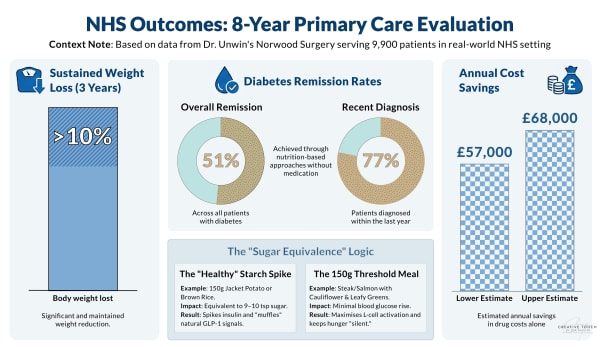
What makes this evidence particularly valuable is its context. These aren’t carefully selected trial participants. They’re ordinary NHS patients, dealing with busy lives, limited resources, and all the challenges that make weight management difficult in the real world.
Dr Unwin advocates for practice-based evidence alongside traditional randomised controlled trials: “the best research is collaborative involving academics, clinicians and patients, all working together.” [7] RCTs maximise internal validity through tight control, but they often have poor external validity, meaning their results don’t translate to messy real-world conditions. [7] Audit data from actual clinical practice reveals what works when standard-issue humans try to implement advice in their actual lives.
The TOWARD Study: Evidence for Sustainable Results
The 2025 TOWARD study from the US provides compelling evidence that sustainable weight loss without ongoing medication is achievable through a comprehensive lifestyle approach. This multimodal telemedicine intervention combined dietary modification with remote monitoring and personalised support.
Fifty employees (mean BMI 43.2 kg/m², 64% with prediabetes or type 2 diabetes) followed the TOWARD programme for one year. The approach integrated six key components: Text-based communications, Online interactions, Wellness coaching, Asynchronous education, Real-time biofeedback through remote monitoring, and Dietary modifications focusing on therapeutic carbohydrate reduction (typically less than 30g of carbohydrates daily, not counting non-starchy vegetables).[21]
The results matched pharmaceutical interventions without ongoing medication costs: participants achieved 15.5% average weight loss at 12 months—comparable to semaglutide 2.4mg results in the STEP 1 trial. Notably, 76% continued losing weight beyond the one-year mark, suggesting genuine metabolic improvement rather than temporary suppression.[21]
The critical distinction from medication-based approaches: this was achieved without calorie counting or persistent hunger. Participants followed whole-food, low-carbohydrate eating patterns whilst using continuous glucose monitors, ketone meters, and smart scales for real-time biofeedback.
Beyond weight loss, the metabolic improvements were substantial. The programme resulted in deprescription of 96 medications (with only eight new prescriptions added), representing a net reduction of 88 medications across 50 patients. These included drugs for diabetes, hypertension, and gastroesophageal reflux disease. Four participants successfully discontinued GLP-1 receptor agonists, experiencing either continued weight loss or minimal regain.[21]
The economic case is equally compelling. The TOWARD intervention saved approximately $1,700 per patient annually compared to ongoing GLP-1 receptor agonist treatment costs of approximately $13,000 per year; an eightfold difference in cost whilst delivering comparable weight loss results.
What makes these findings particularly relevant for those considering life after Mounjaro is the programme’s emphasis on addressing satiety through food composition rather than appetite suppression through medication. Combining therapeutic carbohydrate reduction with technology-enabled monitoring and regular support, the TOWARD approach demonstrates that pharmaceutical-level results are achievable through comprehensive lifestyle modification.
UK-based evidence published in the same journal, BMJ Nutrition, Prevention & Health, adds an important human dimension. A 2026 prospective study from the University of Surrey recruited 48 adults with type 2 diabetes from NHS GP surgeries and enrolled them in an eight-session carbohydrate-reduced diet coaching programme, built on the GRIN behaviour change framework developed by Dr David Unwin and his wife Jen Unwin. Over six months, participants reduced their average carbohydrate intake from 226g to 126g daily, achieving a mean HbA1c reduction of over 10 mmol/mol and mean weight reduction of 5.2 kg (both p<0.001).[39] These improvements in blood sugar were specific to adults with type 2 diabetes; weight loss, rather than carbohydrate reduction in isolation, was the key mediating factor identified statistically. What distinguished this study from TOWARD was its parallel qualitative investigation: 15 participants gave detailed accounts of their lived experience. The consistent message echoed what TOWARD demonstrated quantitatively. Support was the critical variable. “I think the biggest factor is the support,” one participant said. “The support of being in a group and all of us sharing what was difficult and tough contributed to carrying on and understanding you’re not alone.”[39]
Why “Eating Less” Often Makes Things Worse
Here’s where we need to address something that most weight maintenance advice gets fundamentally wrong.
The common trajectory goes like this: Mounjaro stops, hunger returns, and you interpret that returning hunger as your own weakness or failure. The instinctive response is more restrictions, tighter calorie counting, and greater willpower required.
This approach often creates exactly the problem you’re trying to avoid.
In the 1944 Minnesota Starvation Experiment, healthy men eating about 1,570 calories a day for six months developed intense food obsession, a metabolic slowdown of up to 40%, and significant psychological distress. [22] These are symptoms that look like addiction but were actually responses to deprivation.
The relevance to post-Mounjaro life is direct. During treatment, your appetite was chemically suppressed. After stopping, you may interpret returning hunger signals as evidence that you’re “addicted” to food or that you lack willpower. The common response, more restrictions, can trigger exactly the compensatory mechanisms that make sustained weight loss so difficult.
Research bears this out. In studies of binge eating disorder, 65% of cases showed that dieting preceded the first binge episode. [23] Furthermore, research has found that adolescent girls who diet moderately are five times more likely to develop an eating disorder; for those engaging in extreme restriction, the risk increases 18-fold. [24]
Understanding Your Relationship with Food
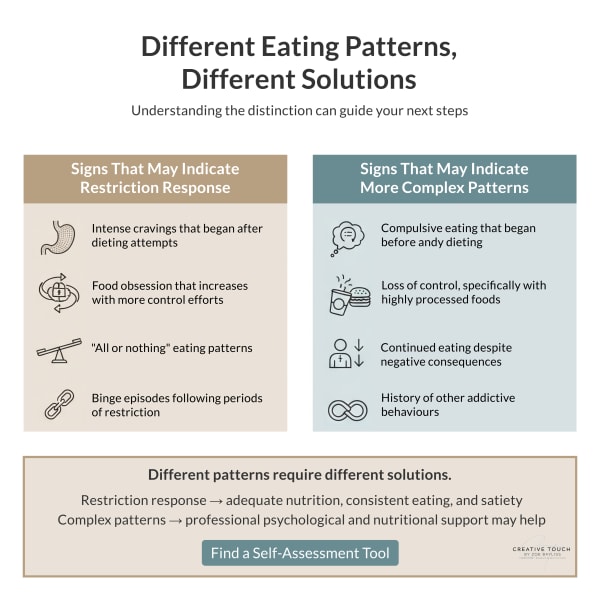
Many people experiencing intense cravings after stopping GLP-1 medications are actually in what researchers call “restriction response,” a normal biological reaction to perceived deprivation. [25] The distinction from true food addiction matters because the solutions are different.
Signs that may indicate restriction response:
- Intense cravings that began after dieting attempts
- Food obsession that increases with more control efforts
- ”All or nothing” eating patterns
- Binge episodes following periods of restriction
Signs that may indicate more complex patterns:
- Compulsive eating that began before any dieting
- Loss of control, specifically with highly processed foods
- Continued eating despite negative consequences
- History of other addictive behaviours
If you’re in a restricted response, further restrictions make it worse. The solution is adequate nutrition and genuine satiety, not tighter control.
→ Our food addiction self-assessment can help you reflect on your patterns. For a deeper exploration of this distinction, see our article on understanding the difference between food addiction and restriction response.
The alternative approach is about eating differently rather than eating less. Building genuine satiety through food composition means you’re not constantly fighting hunger. You’re satisfying it.
Preliminary clinical literature, including a case series of patients with binge eating disorder, describes ketogenic diets achieving “nearly complete relief from binge eating attack” and significant improvements in food cravings. [26] The mechanism isn’t willpower, but biochemistry: adequate protein and fat triggering the satiety hormones that tell your brain you’ve had enough.
Choosing Your Path Forward
There’s no single “right” approach to life after Mounjaro. What matters is making an informed choice that fits your circumstances, your health status, and your goals.
These options aren’t mutually exclusive. Many people combine approaches.
Option 1: Continue medication at a maintenance dose. Some people stay on GLP-1 medications long-term, often at lower doses. This is a valid choice, though it comes with ongoing costs (£150-400 monthly for private prescriptions) and the practical reality of limited NHS availability. If you’re considering this route, discuss it with your prescriber.
Option 2: Gradual taper with nutritional foundation. Rather than stopping abruptly, reduce your medication dose whilst establishing dietary changes. This allows your body to adjust gradually and builds natural satiety before medication fully stops. For many, this offers the most sustainable transition.
Option 3: Nutrition-first maintenance. Stop medication and rely on dietary approaches for satiety. The UK evidence suggests this is achievable for many people, though it requires understanding what sustains ketosis and appetite suppression. Expect an adjustment period.
Option 4: Combined approach with body composition support. Nutritional foundation combined with support for the physical changes that often accompany significant weight loss. This might include strength training for body recomposition, or aesthetic treatments for concerns like loose skin.
Whatever path you choose, understanding your body’s natural satiety mechanisms helps. Even those continuing medication benefit from eating patterns that support, rather than fight against, their hunger regulation.
One element consistently underweighted in discussions about dietary change: structured support. A 2026 UK study of adults following a low-carbohydrate approach found that those who did not engage with their support network appeared more vulnerable to difficulties during the critical early weeks, whilst those who maintained group connections were better equipped to navigate the social challenges and motivation fluctuations that typically arise in weeks two through eight.[39] This mirrors what TOWARD demonstrated with technology-enabled monitoring: the diet alone is not the programme. The support infrastructure around it makes the difference between a six-week attempt and a sustainable lifestyle shift.
At Creative Touch, we prescribe Mounjaro and can discuss your options. We also recognise that informed clients make better decisions, which is why we provide this information regardless of which approach you ultimately choose.
Building Natural Satiety: A Practical Approach
If you’re pursuing a nutrition-based maintenance strategy, here’s how to implement it practically.
Anchor Every Meal with Protein
Protein is your most powerful satiety flex. It triggers GLP-1 release, satisfies your body’s protein-seeking drive, and has a high thermic effect, meaning you utilise 20-30% of protein calories simply digesting them. [27]
A practical target: palm-sized protein portion at each meal, roughly 25-35g. Don’t overthink it.
For breakfast, this might mean two to three eggs with vegetables, or Greek yoghurt with seeds. Lunch and dinner should be anchored by substantial protein such as fish, chicken, beef, and lamb. The specific source matters less than ensuring it’s present and prioritised.
If you remember nothing else from this section, let it be this: start each meal by planning your protein, then build the rest around that.
Find Your Carbohydrate Threshold
While “low carb” is clinically defined as staying below 130g of carbohydrates per day, many people find their personal sweet spot for appetite control is lower. In studies such as TOWARD and in Dr. Unwin’s clinical practice, many patients achieved significant health improvements and natural appetite suppression by limiting intake to 30g of net carbohydrates (excluding low-starch vegetables). However, this is not a one-size-fits-all rule; the goal is to find the level of carbohydrates you can enjoy while still feeling the metabolic benefits.
At your personal threshold, your body remains in a metabolic state where natural GLP-1 and satiety signals are most active, so “turning off” the constant noise of hunger. If carbohydrates significantly exceed this threshold, those hunger signals - and the hormone ghrelin - can return, sometimes more intensely than before. Finding your threshold is about discovering the level that keeps your appetite steady and your energy consistent.
| Nutritional Goal | Daily Carb Limit | Typical Food Profile | Effect on Hunger |
|---|---|---|---|
| Low Carb | < 130g | Three meals emphasising protein and fibre; includes small amounts of berries or root vegetables. | Stable: Prevents the “crash and crave” cycle of high-carb eating. |
| Lower Carb | < 50g | Replaces all grains with “above-ground” vegetables (leafy greens, peppers, broccoli). | Quiet: Insulin levels drop, allowing the body to begin accessing stored fat for fuel. |
| The TOWARD Limit | < 30g | Nutrient-dense protein and healthy fats with green vegetables as the primary carb source. | Silent: Maximises natural GLP-1 signalling; “food noise” often disappears entirely. |
The threshold varies by individual and by goal. A 2026 UK study of adults with type 2 diabetes found meaningful improvements, including a mean HbA1c reduction of over 10 mmol/mol, at an average intake of approximately 126g of carbohydrate daily at six months. That’s a significant reduction from their baseline of 226g, but well above the TOWARD limit.[39] (These blood sugar findings apply specifically to people with type 2 diabetes, not to the general post-Mounjaro population.) The sweet spot for most people is the lowest intake they can sustain comfortably within their actual life, not the most restrictive target achievable in controlled conditions.
What to prioritise: non-starchy vegetables freely (broccoli, spinach, asparagus, peppers, cauliflower), quality fats (olive oil, butter, avocado), and above-ground vegetables generally.
What to minimise: bread, pasta, rice, potatoes, sugar in all forms, and processed foods where hidden carbohydrates lurk in unexpected places and with unfamiliar names.
If you take medications for diabetes or blood pressure, changes in carbohydrate intake can alter your medication requirements. Discuss changes with your clinician first.
Eat to Satiety, Not to a Number
This is perhaps the most important mindset shift. You’re not counting calories. You’re asking a different question: “Am I genuinely satisfied?”
With adequate protein and fat, your natural satiety signals will regulate intake. Dr Unwin’s patients lost weight “without counting calories and without feeling hungry.” [6] The approach works precisely because it doesn’t feel like deprivation.
The psychological difference matters. “How little can I eat?” creates restriction. “Am I genuinely satisfied?” creates sustainable eating patterns.
Understand the threshold that maintains your satiety rather than seeking perfection.

Monitor Your Progress
Biofeedback tools can be valuable during the transition period, particularly if you want objective data.
Continuous glucose monitors (CGMs): Particularly useful in the first month. You’ll see directly how different foods affect your blood sugar, which varies considerably. What spikes one person’s glucose may barely register for another.
Ketone testing: Blood BHB levels above 0.5 mmol/L indicate nutritional ketosis, [28] the state where appetite suppression is typically most active. This provides confirmation that your approach is working metabolically.
Smart scales: Track trends over weeks, not daily fluctuations. Weight can vary by several pounds due to hydration levels, digestion, and hormonal cycles. The trend line matters; the daily number doesn’t.
The feel test: Energy levels, mental clarity, hunger patterns. These subjective measures matter as much as any number; if you’re energetic, clear-headed, and not dwelling on food, your approach is probably working.

What Happens to Your Body After Weight Loss
Whether with Mounjaro or any other approach, significant weight loss alters your body in ways beyond the scales. These changes aren’t failures. They’re normal responses to substantial weight loss. [29]
Understanding them helps you plan realistic next steps.
Loose or Sagging Skin
Skin that has stretched over time may not fully retract after significant weight loss, especially with larger weight reductions, faster weight reduction, older age, or duration of excess weight. Some natural improvement usually occurs over 12–24 months as collagen remodels.
Body Contour Changes
Fat loss is rarely uniform; genetics largely determine where fat is lost easily and where it remains more stubborn, which is why two people at the same weight can look completely different depending on their fat distribution and muscle mass.
Skin Quality Changes
Rapid weight loss can temporarily affect skin texture and tone. Skin health is affected by nutritional status during weight loss. Inflammation and blood sugar influence on skin ageing remain relevant throughout your weight loss journey.
What Can Help
Strength training forms the foundation. Building muscle improves body composition, fills out loose skin somewhat, and increases resting metabolism. It’s not optional if you want to maintain weight loss long-term. Encouragingly, recent evidence suggests that GLP-1 medicines preserve muscle strength and function even as absolute mass decreases slightly, meaning you’re starting from a stronger position than you might expect. [40]
Body sculpting treatments can address stubborn fat deposits that don’t respond to diet and exercise. Non-surgical options exist for refining contours after major weight loss. → Learn about our body sculpting services.
Skin support for those concerned about loose skin or the facial volume changes sometimes called “Ozempic face.” Various treatments can support skin firmness and restore lost volume. → Our guide to addressing loose skin after weight loss covers the options in detail.
Nutritional support for skin: Omega-3 fatty acids support skin health from within. Adequate protein provides building blocks for collagen synthesis. Stable blood sugar reduces the glycation damage that accelerates skin ageing. → Explore our nutricosmetics range.
Our philosophy at Creative Touch: weight loss is an achievement worth celebrating. The body changes that follow are normal, not problems to be ashamed of. We offer support for those who want it, without pressure.

Why This Matters Beyond the Scales
Weight management connects to broader health in ways that extend well beyond appearance. Understanding these connections helps explain why an aesthetics clinic discusses nutrition and why metabolic health matters for skin.
The Inflammation Connection
Obesity drives chronic low-grade inflammation throughout the body. [30] Ketogenic or lower-carbohydrate diets have been shown to reduce inflammatory markers such as TNF-α, IL-6 and CRP in clinical studies. [31]
For skin, reduced systemic inflammation translates to calmer, less reactive tissue. Many clients notice improvements in rosacea, acne, and general skin quality when their metabolic health improves.
Blood Sugar and Skin Ageing
Unstable blood sugar accelerates a process called glycation, where sugar molecules bind to proteins, including collagen. This cross-linking damages skin structure and contributes to the loss of elasticity that we associate with ageing. [[32], [33]]
Stable blood sugar, whether achieved through medication or a dietary approach, slows this accumulation. It’s one reason metabolic health and skin health are more connected than most people realise.
The Beauty From Within Philosophy
At Creative Touch, we believe lasting results come from supporting your body’s natural processes. External treatments work better when your metabolic foundation is strong. Skin health isn’t separate from overall health. It’s a reflection of it.
This is why we discuss nutrition with clients, why we offer both Mounjaro prescriptions and body sculpting therapies, and why our growing nutricosmetics range exists alongside our aesthetic treatments. They’re all part of the same picture.
Detailed exploration of the nutrition and skin connection is available in our developing skin health content, with more articles planned on specific aspects of this relationship.
When to Seek Additional Support
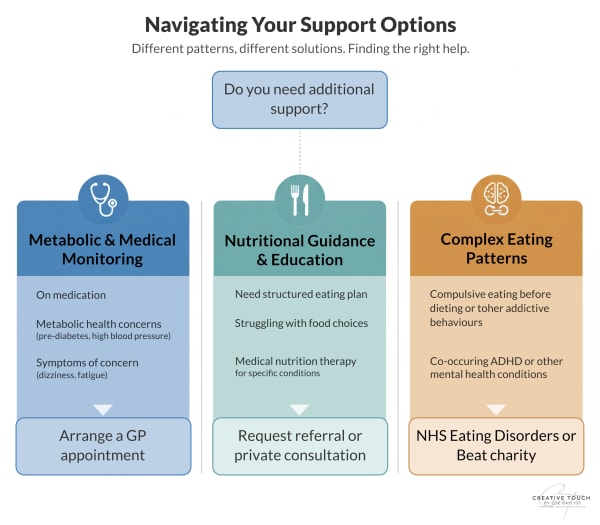
Dietary changes alone aren’t sufficient for everyone. Recognising when you need additional help is a sign of self-awareness, not failure.
Consider seeking professional support if:
- Compulsive eating patterns began before any dieting attempts
- You have a history of trauma (which significantly increases risk of disordered eating)
- Other addictive patterns are present in your life
- ADHD symptoms are present (higher correlation with eating difficulties)
- Restriction consistently triggers binge episodes despite adequate food
UK resources include:
- NHS Eating Disorders services (via GP referral)
- Beat Eating Disorders charity (helplines and support groups)
- British Dietetic Association for registered dietitians
- Private eating disorder specialists
Involve your GP before making significant dietary changes if:
- You’re on medications, particularly for diabetes
- You have metabolic conditions requiring monitoring
- You’re experiencing symptoms that concern you
- You want a referral to specialist weight management services
Our food addiction self-assessment can help you reflect on your relationship with food. High scores combined with a history of dieting can reflect restriction response rather than true addiction, which is one reason a professional assessment is so valuable.
Working With Your Healthcare Provider
If you’re currently on Mounjaro, don’t make changes without medical guidance.
Before stopping:
- Discuss an appropriate tapering schedule with your prescriber
- If you have diabetes, medication adjustments will likely be needed
- Blood pressure medications may require reduction (low-carbohydrate approaches can lower blood pressure)
- Request baseline tests: HbA1c, lipid panel, fasting glucose
Questions to ask:
- What tapering schedule do you recommend for my situation?
- Should I monitor blood glucose during the transition?
- What symptoms should prompt me to contact you?
- Are there other medications that need adjusting?
Your GP and prescribing clinician expect to be involved in decisions about stopping or tapering medications; bringing a clear plan and questions to the appointment helps them support you safely.

Your Path Forward
Weight regain after stopping GLP-1 medications is common, but it’s not inevitable.
Your body has natural satiety systems that work through the same pathways as these medications. The key is activating these systems through food composition rather than fighting hunger through restriction. UK clinical evidence has shown this approach works in real NHS settings with real patients facing real-life challenges.
The paradigm shift is this: instead of asking “How do I maintain without the medication?” ask “How do I work with my body’s natural hunger regulation?”
A useful way to frame what that regulation involves: the goal of life after Mounjaro is not simply weight maintenance, but restoring metabolic flexibility: the body’s capacity to switch cleanly between fat and glucose as fuel in response to feeding, fasting, and activity. GLP-1 medication suppresses appetite effectively, but the underlying fuel-switching impairment typically remains unless addressed through dietary change. The protein-first, lower-carbohydrate approach described in this article works in part by removing the cellular block on fat oxidation that chronic high-carbohydrate eating creates.
Practical next steps:
Assess your relationship with food. Our food addiction self-assessment can help you understand whether your patterns suggest restriction response or something more complex.
If currently on Mounjaro, discuss transition options with your prescriber before making changes. Don’t stop abruptly without a plan. Some people stay on GLP-1 medications for the long term, often at lower doses, although evolving guidance, cost and access all play a role in whether this is realistic.
Start building satiety now. Begin shifting towards protein-first, lower-carbohydrate eating whilst still on medication. The habits you establish now will serve you when the pharmaceutical support ends. For many people, nutrition-first maintenance is achievable with understanding and support.
Consider support tools. CGM or ketone testing during the transition period provides objective feedback on how your body is responding.
Plan for body changes. If loose skin or body contour concerns are relevant for you, explore your options for support. Strength training is one of the most effective ways to improve body composition after weight loss, and it also makes it easier to sustain results over time.
This is about metabolic health, energy, skin, and overall well-being, not just weight. Whether that involves Mounjaro prescriptions, nutrition-focused support, or post-weight loss body contour options and skin treatments, we aim to help you work with your body, not against it. Our nutricosmetics and educational content are there to support the “inside-out” part of that journey.
Mounjaro helped you achieve something real. Now it’s about building the systems that sustain it.
Your body isn’t working against you. It just needs the right signals.

Frequently Asked Questions
- Is it possible to maintain weight loss after stopping Mounjaro?
Yes, though it requires an intentional approach rather than simply stopping the medication and hoping for the best.
What influences your success:
- Nutritional foundation – Establishing satiety-supporting eating patterns (protein-first, lower-carbohydrate) before stopping gives you natural appetite regulation
- Gradual transition – Tapering medication whilst building new habits typically works better than abrupt cessation
- Individual biology – Some people maintain more easily than others based on metabolic factors, starting weight, and how long they carried excess weight
- Support systems – Both UK and US clinical evidence point to structured support as an important factor. A UK coaching programme found that participants who engaged with peer support and group sessions were better equipped to navigate the difficult adjustment period than those who tried to manage independently.[39] Whether that support comes from a coaching programme, a peer group, regular check-ins with a clinician, or a monitoring tool like a CGM, having accountability structures in place through the critical early weeks appears to be a meaningful predictor of sustained adherence.
UK evidence from Dr. Unwin’s practice and the TOWARD study demonstrates that meaningful weight maintenance without medication is achievable when dietary approaches support natural satiety signals. The key is working with your body’s hunger regulation rather than fighting it through restriction.
Discuss your specific situation and transition plan with your prescriber before making changes to your medication regimen.
- What percentage of people regain weight after stopping Mounjaro?
In clinical trials, people who stopped GLP-1 medications typically regained around half to two-thirds of their lost weight within 12 months.
Important context for these statistics:
- Trial conditions differ from real-world support – Participants stopped medication without comprehensive maintenance plans or nutritional transitions
- Individual variation is significant – Some maintain most of their weight loss; others regain more quickly
- Metabolic approach changes outcomes – Evidence from programmes like TOWARD shows comparable weight loss (15.5%) maintained without medication when satiety-supporting nutrition is prioritised
These statistics represent what happens without intervention, not what must happen. The article above explores evidence-based approaches that many people use successfully for maintenance.
Your outcome depends largely on the strategies you implement during and after treatment, not just on biology alone.
- What should I do when I reach my goal weight on Mounjaro?
This is an individual decision to make with your prescriber, based on your circumstances, budget, and long-term goals.
Your main options include:
- Continue at maintenance dose – Some people stay on GLP-1 medications long-term at lower doses (costs £150-400 monthly privately; NHS availability limited)
- Gradual taper with nutritional transition – Reduce medication whilst establishing satiety-supporting eating patterns, allowing your body to adjust gradually
- Stop and rely on nutritional maintenance – Build natural appetite regulation through food composition before discontinuing medication
- Combined approach – Nutrition plus additional support (monitoring tools, body composition treatments, professional guidance)
The article above explores each approach in detail. Most people benefit from establishing their nutritional foundation whilst still on medication rather than waiting until after stopping.
Schedule a discussion with your prescriber at least 4-8 weeks before you anticipate reaching your goal weight.
- How far in advance should I start preparing for life after Mounjaro?
Ideally, begin building your nutritional foundation 2-3 months before you plan to stop or taper medication.
Why this timeline works:
- Habit formation whilst supported – You still have pharmaceutical appetite suppression whilst establishing new eating patterns
- Metabolic adaptation time – Your body needs weeks, not days, to adjust to different macronutrient ratios
- Problem identification – Enough time to troubleshoot what works for your individual biology before medication support ends
- Confidence building – You’ll see that natural satiety is possible before the medication fully clears
Start by prioritising protein at each meal and gradually reducing refined carbohydrates. Track how you feel – energy levels, hunger patterns, mental clarity – rather than fixating on daily weight fluctuations.
If you’re already close to your goal weight, start now. It’s never too early to build sustainable patterns.
- Is loose skin inevitable after significant weight loss on Mounjaro?
Not inevitable, but common after substantial weight loss – and several factors influence whether and how much loose skin you’ll experience.
What affects skin retraction:
- Amount lost – Larger weight reductions more likely to result in excess skin
- Speed of loss – Gradual loss sometimes allows better skin adaptation than very rapid weight reduction
- Age and genetics – Younger skin with better elasticity tends to retract more effectively
- Duration of excess weight – Skin stretched for many years may not fully recover
- Nutritional factors – Adequate protein, stable blood sugar, and omega-3s support skin health during weight loss
Some natural improvement typically continues for 12-24 months post-weight-loss as collagen remodels. If loose skin concerns you, our guide covers both prevention strategies and treatment options including skin-supporting nutrients, body sculpting, and regenerative treatments.
Loose skin is a normal response to significant weight loss, not something to feel ashamed about. Many people choose to address it; many don’t. Both approaches are valid.
- What happens to my appetite when I stop taking Mounjaro?
Your appetite will return as the medication clears your system, typically becoming noticeable within 2-4 weeks after your last injection.
What’s normal to experience:
- Gradual hunger increase – Appetite suppression doesn’t disappear overnight; tirzepatide has a 5-day half-life, so it lingers for about 2 weeks
- Stronger hunger signals initially – Ghrelin (hunger hormone) can rebound temporarily, sometimes feeling more intense than pre-medication levels
- Food thoughts returning – The “food noise” that disappeared on Mounjaro often comes back; this is your body’s predictable response, not personal failure
This is completely normal and expected. It’s not a sign you’re doing something wrong or that you lack willpower.
If you’ve established satiety-supporting nutrition (protein-first, lower-carbohydrate eating), hunger typically stabilises within 4-8 weeks as your body finds a new equilibrium. If appetite remains difficult to manage beyond 2 months, discuss with your prescriber whether adjustments to your approach might help.
- Can I stay on a lower Mounjaro dose for maintenance instead of stopping completely?
Yes, this is a valid option that many people choose, though it requires ongoing private prescription costs and long-term commitment to medication.
Considerations for maintenance dosing:
- Cost commitment – Expect £150-400 monthly for private prescriptions; NHS availability for weight management remains very limited
- Dose determination – Your prescriber will help identify the minimum effective dose that maintains weight without unnecessary medication exposure
- Long-term data – GLP-1 medications are relatively new for obesity treatment; very long-term (10+ year) data is still emerging
- Supply considerations – Periodic shortages have affected availability; having a backup plan helps
Some people stay on maintenance doses indefinitely. Others use it as a bridge whilst establishing nutritional patterns, then taper off. Neither approach is inherently better; it depends on your individual circumstances and priorities.
Discuss this option with your prescriber, including what maintenance dose they’d recommend and how they’d monitor your progress long-term.
- When should I contact my doctor during the transition off Mounjaro?
Always involve your prescriber before making any changes to your medication regimen, but certain situations require prompt contact during your transition.
Contact your prescriber if you experience:
- Rapid weight regain – Gaining more than 2-3kg within 2 weeks suggests your transition plan needs adjustment
- Unmanageable hunger – If appetite becomes so intense it’s affecting daily functioning beyond the initial 4-week adjustment period
- Concerning symptoms – Persistent nausea, unusual fatigue, dizziness, or other symptoms that worry you
- Blood sugar changes – If you have diabetes and notice blood glucose becoming difficult to control
- Medication adjustments needed – Particularly if you take diabetes or blood pressure medications that may need reducing as diet changes
Routine follow-up schedule:
Plan check-ins at 2 weeks, 1 month, and 3 months post-cessation, even if everything seems fine. Proactive monitoring catches issues early and provides reassurance that your approach is working.
References
Wilding, J., Batterham, R., Davies, M., Van Gaal, L., Kandler, K., Konakli, K., Lingvay, I., McGowan, B., Oral, T., Rosenstock, J., Wadden, T., Wharton, S., Yokote, K., Kushner, R., (2022). Weight regain and cardiometabolic effects after withdrawal of semaglutide: The
doi: 10.1111/dom.14725STEP 1 trial extension. Diabetes, Obesity and Metabolism, 24(8), 1553-1564. doi.org/10.1111/dom.14725Faisal Latif, Harsh Baid, Rachel Xinyun Zhu, (2025). The Obesity Inflexion Point: How Health Systems Can Fund and Scale AOM Access. IQVIA Inc. iqvia.com/…sity-inflexion-point (Accessed: 2025-12-24)
Aronne, L., Sattar, N., Horn, D., Bays, H., Wharton, S., Lin, W., Ahmad, N., Zhang, S., Liao, R., Bunck, M., Jouravskaya, I., Murphy, M., , Fretes, J., Coronel, M., Gutnisky, L., Frechtel, G., Gelersztein, E., Aizenberg, D., Maldonado, N., Pereira, M., Santos, Q., Calil Salim, C., Canani, L., Halpern, B., Russo, L., Bodart, J., Neto, D., Augusto, G., Leite, S., Yang, Y., Lin, W., Huang, C., Huang, K., Fitz-Patrick, D., Pau, C., Toth, P., Freeman, G., Gardner, D., Wynne, A., Loy, J., Horn, D., Mehra, P., Layle, S., Bergthold, J., de Souza, J., Nadar, V., Albizu Angulo, G., Cohen, K., Smith, T., Aronne, L., Vaughn, M., Alcantara-Gonzalez, A., Forman, S., Agaiby, J., Geller, S., Fraser, N., Jenders, R., Barbel-Johnson, K., Mayfield, R., Vance, C., Prier, K., Murray, A., Lillestol, M., Denham, D., Park, J., Klein, E., Bays, H., Philis-Tsimikas, A., Bressler, P., Reed, J., Aslam, S., Rosenstock, J., Frias, J., Klaff, L., Brazg, R., Gomez-Cuellar, M., Connery, L., Van, J., Selam, J., Kim, J., Blake, D., Gabriel, J., Arora, S., McCartney, M., Solano, R., Brodie, S., Nardandrea, J. (2024). Continued Treatment With Tirzepatide for Maintenance of Weight Reduction in Adults With Obesity: The SURMOUNT-4 Randomized Clinical Trial JAMA, 331(1), 38. doi.org/10.1001/jama.2023.24945
doi: 10.1001/jama.2023.24945Tzang, C., Wu, P., Luo, C., Chen, Z., Lee, Y., Huang, E., Kang, Y., Lin, W., Tzang, B., Hsu, T. (2025). Metabolic rebound after GLP-1 receptor agonist discontinuation: a systematic review and meta-analysis. eClinicalMedicine, 90(), 103680. doi.org/10.1016/j.eclinm.2025.103680
doi: 10.1016/j.eclinm.2025.103680Schneck, K., Urva, S. (2024). Population pharmacokinetics of the GIP/GLP receptor agonist tirzepatide. CPT: Pharmacometrics & Systems Pharmacology, 13(3), 494-503. doi.org/10.1002/psp4.13099
doi: 10.1002/psp4.13099Dyńka, D., Rodzeń, Ł., Rodzeń, M., Pacholak-Klimas, A., Ede, G., Sethi, S., Łojko, D., Bartoń, K., Berry, K., Deptuła, A., Grzywacz, Ż., Martin, P., Unwin, J., Unwin, D. (2025). Ketogenic Diets for Body Weight Loss: A Comparison with Other Diets. Nutrients, 17(6), 965. doi.org/10.3390/nu17060965
doi: 10.3390/nu17060965Unwin, D. (2024). Reducing overweight and obesity; so how are we doing?. BMJ Nutrition, Prevention & Health, 7(1), 1-3. doi.org/10.1136/bmjnph-2023-000836
doi: 10.1136/bmjnph-2023-000836Norwitz, N., Sethi, S., Palmer, C. (2020). Ketogenic diet as a metabolic treatment for mental illness. Current Opinion in Endocrinology, Diabetes & Obesity, 27(5), 269-274. doi.org/10.1097/MED.0000000000000564
doi: 10.1097/MED.0000000000000564Bostock, E., Kirkby, K., Taylor, B., Hawrelak, J. (2020). Consumer Reports of “Keto Flu” Associated With the Ketogenic Diet. Frontiers in Nutrition, 7(), . doi.org/10.3389/fnut.2020.00020
doi: 10.3389/fnut.2020.00020Holst, J. (2007). The Physiology of Glucagon-like Peptide 1. Physiological Reviews, 87(4), 1409-1439. doi.org/10.1152/physrev.00034.2006
doi: 10.1152/physrev.00034.2006Wikarek, T., Chudek, J., Owczarek, A., Olszanecka-Glinianowicz, M. (2013). Effect of dietary macronutrients on postprandial incretin hormone release and satiety in obese and normal-weight women. British Journal of Nutrition, 111(2), 236-246. doi.org/10.1017/S0007114513002389
doi: 10.1017/S0007114513002389Shah, M., Franklin, B., Adams-Huet, B., Mitchell, J., Bouza, B., Dart, L., Phillips, M. (2016). Effect of meal composition on postprandial glucagon-like peptide-1, insulin, glucagon, C-peptide, and glucose responses in overweight/obese subjects. European Journal of Nutrition, 56(3), 1053-1062. doi.org/10.1007/s00394-016-1154-8
doi: 10.1007/s00394-016-1154-8Qin, W., Ying, W., Hamaker, B., Zhang, G. (2021). Slow digestion‐oriented dietary strategy to sustain the secretion of GLP‐1 for improved glucose homeostasis. Comprehensive Reviews in Food Science and Food Safety, 20(5), 5173-5196. doi.org/10.1111/1541-4337.12808
doi: 10.1111/1541-4337.12808Steinert, R., Beglinger, C. (2011). Nutrient sensing in the gut: interactions between chemosensory cells, visceral afferents and the secretion of satiation peptides. Physiology & Behavior, 105(1), 62-70. doi.org/10.1016/j.physbeh.2011.02.039
doi: 10.1016/j.physbeh.2011.02.039Brennan, I., Luscombe-Marsh, N., Seimon, R., Otto, B., Horowitz, M., Wishart, J., Feinle-Bisset, C. (2012). Effects of fat, protein, and carbohydrate and protein load on appetite, plasma cholecystokinin, peptide YY, and ghrelin, and energy intake in lean and obese men. American Journal of Physiology-Gastrointestinal and Liver Physiology, 303(1), G129-G140. doi.org/10.1152/ajpgi.00478.2011
doi: 10.1152/ajpgi.00478.2011Simpson, S., Raubenheimer, D. (2005). Obesity: the protein leverage hypothesis. Obesity Reviews, 6(2), 133-142. doi.org/10.1111/j.1467-789X.2005.00178.x
doi: 10.1111/j.1467-789X.2005.00178.xKelly, T., Unwin, D., Finucane, F. (2020). Low-Carbohydrate Diets in the Management of Obesity and Type 2 Diabetes: A Review from Clinicians Using the Approach in Practice. International Journal of Environmental Research and Public Health, 17(7), 2557. doi.org/10.3390/ijerph17072557
doi: 10.3390/ijerph17072557Unwin, D., Khalid, A., Unwin, J., Crocombe, D., Delon, C., Martyn, K., Golubic, R., Ray, S. (2020). Insights from a general practice service evaluation supporting a lower carbohydrate diet in patients with type 2 diabetes mellitus and prediabetes: a secondary analysis of routine clinic data including HbA1c, weight and prescribing over 6 years. BMJ Nutrition, Prevention & Health, 3(2), 285-294. doi.org/10.1136/bmjnph-2020-000072
doi: 10.1136/bmjnph-2020-000072Unwin, D., Delon, C., Unwin, J., Tobin, S., Taylor, R. (2023). What predicts drug-free type 2 diabetes remission? Insights from an 8-year general practice service evaluation of a lower carbohydrate diet with weight loss. BMJ Nutrition, Prevention & Health, 6(1), 46-55. doi.org/10.1136/bmjnph-2022-000544
doi: 10.1136/bmjnph-2022-000544Unwin, D., Delon, C., Unwin, J., Tobin, S., Taylor, R. (2023). What predicts drug-free type 2 diabetes remission? Insights from an 8-year general practice service evaluation of a lower carbohydrate diet with weight loss. BMJ Nutrition, Prevention & Health, 6(1), 46-55. doi.org/10.1136/bmjnph-2022-000544
doi: 10.1136/bmjnph-2022-000544Buchanan, L., Calkins, M., Kalayjian, T., Norwitz, N., Teicholz, N., Unwin, D., Soto-Mota, A. (2025). TOWARD, a metabolic health intervention, demonstrates robust 1-year weight loss and cost-savings through deprescription. Frontiers in Nutrition, 12(), . doi.org/10.3389/fnut.2025.1548609
doi: 10.3389/fnut.2025.1548609Ancel Keys (1950). The Biology of Human Starvation. Univ Of Minnesota Press. ISBN: 0816672342
Grilo, C., Masheb, R. (2000). Onset of dieting vs binge eating in outpatients with binge eating disorder. International Journal of Obesity, 24(4), 404-409. doi.org/10.1038/sj.ijo.0801171
doi: 10.1038/sj.ijo.0801171Patton, G., Selzer, R., Coffey, C., Carlin, J., Wolfe, R. (1999). Onset of adolescent eating disorders: population based cohort study over 3 years. BMJ, 318(7186), 765-768. doi.org/10.1136/bmj.318.7186.765
doi: 10.1136/bmj.318.7186.765Wiss, D., Brewerton, T. (2020). Separating the Signal from the Noise: How Psychiatric Diagnoses Can Help Discern Food Addiction from Dietary Restraint. Nutrients, 12(10), 2937. doi.org/10.3390/nu12102937
doi: 10.3390/nu12102937Carmen, M., Safer, D., Saslow, L., Kalayjian, T., Mason, A., Westman, E., Sethi, S. (2020). Treating binge eating and food addiction symptoms with low-carbohydrate Ketogenic diets: a case series. Journal of Eating Disorders, 8(1), . doi.org/10.1186/s40337-020-0278-7
doi: 10.1186/s40337-020-0278-7Westerterp, K., Wilson, S., Rolland, V. (1999). Diet induced thermogenesis measured over 24h in a respiration chamber: effect of diet composition. International Journal of Obesity, 23(3), 287-292. doi.org/10.1038/sj.ijo.0800810
doi: 10.1038/sj.ijo.0800810Christy, T., Heather, R., Kelly, R., Kristina, O., Nadine, L. (2020). Nutritional Ketosis Defined by Diet, Urinary and Capillary Blood Measures. Current Developments in Nutrition, 4(), nzaa049_059. doi.org/10.1093/cdn/nzaa049_059
doi: 10.1093/cdn/nzaa049_059Rocha, R., Junior, W., Modolin, M., Takahashi, G., Caldini, E., Gemperli, R. (2020). Skin Changes Due to Massive Weight Loss: Histological Changes and the Causes of the Limited Results of Contouring Surgeries. Obesity Surgery, 31(4), 1505-1513. doi.org/10.1007/s11695-020-05100-3
doi: 10.1007/s11695-020-05100-3Forsythe, C., Phinney, S., Fernandez, M., Quann, E., Wood, R., Bibus, D., Kraemer, W., Feinman, R., Volek, J. (2007). Comparison of Low Fat and Low Carbohydrate Diets on Circulating Fatty Acid Composition and Markers of Inflammation. Lipids, 43(1), 65-77. doi.org/10.1007/s11745-007-3132-7
doi: 10.1007/s11745-007-3132-7Paoli, A., Rubini, A., Volek, J., Grimaldi, K. (2013). Beyond weight loss: a review of the therapeutic uses of very-low-carbohydrate (ketogenic) diets. European Journal of Clinical Nutrition, 67(8), 789-796. doi.org/10.1038/ejcn.2013.116
doi: 10.1038/ejcn.2013.116Danby, F. (2010). Nutrition and aging skin: sugar and glycation. Clinics in Dermatology, 28(4), 409-411. doi.org/10.1016/j.clindermatol.2010.03.018
doi: 10.1016/j.clindermatol.2010.03.018Noordam, R., Gunn, D., Tomlin, C., Maier, A., Mooijaart, S., Slagboom, P., Westendorp, R., de Craen, A., van Heemst, D. (2011). High serum glucose levels are associated with a higher perceived age. AGE, 35(1), 189-195. doi.org/10.1007/s11357-011-9339-9
doi: 10.1007/s11357-011-9339-9West, S., Scragg, J., Aveyard, P., Oke, J., Willis, L., Haffner, S., Knight, H., Wang, D., Morrow, S., Heath, L., Jebb, S., Koutoukidis, D. (2026). Weight regain after cessation of medication for weight management: systematic review and meta-analysis. BMJ, 392(), e085304. doi.org/10.1136/bmj-2025-085304
doi: 10.1136/bmj-2025-085304Merkel, R., Hernandez, N., Weir, V., Zhang, Y., Caffrey, A., Rich, M., Crist, R., Reiner, B., Schmidt, H. (2025). An endogenous GLP-1 circuit engages VTA GABA neurons to regulate mesolimbic dopamine neurons and attenuate cocaine seeking. Science Advances, 11(9). doi.org/10.1126/sciadv.adr5051
doi: 10.1126/sciadv.adr5051Hendershot, C., Bremmer, M., Paladino, M., Kostantinis, G., Gilmore, T., Sullivan, N., Tow, A., Dermody, S., Prince, M., Jordan, R., McKee, S., Fletcher, P., Claus, E., Klein, K. (2025). Once-Weekly Semaglutide in Adults With Alcohol Use Disorder. JAMA Psychiatry, 82(4), 395. doi.org/10.1001/jamapsychiatry.2024.4789
doi: 10.1001/jamapsychiatry.2024.4789Wang, W., Volkow, N., Berger, N., Davis, P., Kaelber, D., Xu, R. (2024). Associations of semaglutide with incidence and recurrence of alcohol use disorder in real-world population. Nature Communications, 15(1). doi.org/10.1038/s41467-024-48780-6
doi: 10.1038/s41467-024-48780-6Gabery, S., Salinas, C., Paulsen, S., Ahnfelt-Rønne, J., Alanentalo, T., Baquero, A., Buckley, S., Farkas, E., Fekete, C., Frederiksen, K., Helms, H., Jeppesen, J., John, L., Pyke, C., Nøhr, J., Lu, T., Polex-Wolf, J., Prevot, V., Raun, K., Simonsen, L., Sun, G., Szilvásy-Szabó, A., Willenbrock, H., Secher, A., Knudsen, L. (2020). Semaglutide lowers body weight in rodents via distributed neural pathways. JCI Insight, 5(6). doi.org/10.1172/jci.insight.133429
doi: 10.1172/jci.insight.133429Collins, S., Ogden, J., Robertson, D., Whyte, M. (2026). Effect of a low-carbohydrate diet on glycaemic control and disease management in type 2 diabetes: results from a prospective free-living trial. BMJ Nutrition, Prevention & Health. doi.org/10.1136/bmjnph-2025-001353
doi: 10.1136/bmjnph-2025-001353Langer, H., Gilmore, N., Hayden, C., Roux, J., Bariohay, B., Rouquet, T., Awada, M., Marcotorchino, J., Bournot, L., Nunn, E., Titchenell, P., Liskiewicz, D., Müller, T., Anyiam, O., Atherton, P., Idris, I., Hentschel, A., Roos, A., Haritonow, N., Norman, K., Müller-Werdan, U., Baar, K. (2026). Weight loss with GLP-1 medicines does not result in a disproportionate loss of muscle mass or function in obese mice and humans. Cell Reports Medicine, 7(3), 102665. doi.org/10.1016/j.xcrm.2026.102665
doi: 10.1016/j.xcrm.2026.102665