
Amino acid
Amino acids are the individual molecular units that combine, in sequence, to form every protein in the body. Skin biology depends on them at every structural level: collagen and elastin require specific amino acids in precise proportions; keratin and filaggrin are built from amino acid sequences that give the barrier its structural integrity; and the natural moisturising factor (NMF) that hydrates the stratum corneum is, in large part, amino acids released by filaggrin degradation. The body synthesises eleven non-essential amino acids and must obtain nine essential amino acids from diet. Several amino acids occupy critical positions beyond structural supply – proline and lysine are enzymatically modified during collagen hydroxylation, arginine drives nitric oxide-mediated tissue repair, and glutamine supports both cell proliferation and antioxidant production. When protein intake is insufficient or amino acid availability is compromised by illness, rapid weight loss, or metabolic stress, the structural and repair consequences appear first in high-turnover tissues – including skin and hair.
Amino acids are organic molecules that link together via peptide bonds to form proteins. Each protein’s function is determined by which amino acids appear in its sequence and in what order: a small change in amino acid composition produces an entirely different protein with different structural and functional properties. The body uses twenty standard amino acids – nine essential ( histidine, isoleucine, leucine, lysine, methionine, phenylalanine, threonine, tryptophan, and valine) that cannot be synthesised and must come from diet, and eleven non-essential that the body can manufacture from other precursors. A third group – conditionally essential amino acids including arginine and glutamine – becomes dietarily critical during physiological stress, illness, or tissue repair when endogenous synthesis cannot keep pace with demand. For skin biology specifically, the distinction between essential, non-essential, and conditionally essential matters because different amino acids govern entirely different structural and repair functions – and because the traditional classification was developed to define sufficiency for avoiding deficiency disease, not sufficiency for optimal tissue maintenance and repair. [6]
| Amino acid | Category | Primary skin role |
|---|---|---|
| Glycine | Non-essential* | Every third position in collagen triple helix; structural necessity |
| Proline | Non-essential* | Collagen triple helix rigidity; modified to hydroxyproline post-translationally |
| Hydroxyproline | Derived (from proline) | Collagen helix stabilisation; requires vitamin C for prolyl hydroxylase activity |
| Lysine | Essential | Modified to hydroxylysine for collagen cross-linking; requires vitamin C for lysyl hydroxylase |
| Cysteine | Conditionally essential | Disulfide bonds in keratin; glutathione antioxidant synthesis |
| Histidine | Essential | Filaggrin-derived; converted to trans-urocanic acid (NMF and acid mantle) |
| Glutamine | Conditionally essential | Filaggrin-derived PCA (largest NMF humectant fraction); fuel for keratinocytes and fibroblasts; glutathione precursor |
| Arginine | Conditionally essential | Proline supply for collagen repair; nitric oxide generation for angiogenesis and wound contraction |
| Serine | Non-essential* | Free amino acid component of NMF; substrate for ceramide synthesis via serine palmitoyltransferase (SPT) |
*Classified non-essential under standard nutritional definitions, but evidence from skin-specific research suggests endogenous synthesis may be insufficient to meet the demands of active tissue maintenance – see below.
The Collagen Amino Acid Profile
Collagen is the most amino-acid-specific protein in the skin, and its requirements are unusually precise. Glycine, proline, and hydroxyproline together account for approximately 57% of total amino acids in collagen, with glycine occupying every third position along the triple-helix chain – a structural necessity, because glycine is the only amino acid small enough to fit at the centre of the helical structure without distorting it. Proline occupies the X position in the repeating Gly-X-Y sequence, providing the rigidity that gives collagen fibrils their mechanical strength. Hydroxyproline occupies the Y position and is not directly incorporated from diet; it is produced post-translationally by the enzyme prolyl 4-hydroxylase, which converts proline residues to hydroxyproline after the procollagen chain has been assembled. This hydroxylation step requires vitamin C as an obligate cofactor – without it, the reaction stalls, the triple helix cannot stabilise, and structurally defective procollagen is degraded before secretion. [1]
Lysine plays a parallel structural role. Lysyl hydroxylase converts lysine residues to hydroxylysine – also vitamin C-dependent – and hydroxylysine is then the substrate for lysyl oxidase cross-linking reactions that stabilise mature collagen fibrils in the extracellular matrix. Without adequate lysine or vitamin C, the cross-linking step is impaired and deposited collagen fibrils are structurally weaker and more vulnerable to enzymatic degradation. This explains why scurvy – severe vitamin C deficiency – produces the connective tissue fragility it does: the amino acid supply may be intact, but the cofactor-dependent modification steps that convert proline and lysine into structurally functional residues cannot proceed.
Clinical Pearl Adequate amino acid supply is necessary but not sufficient for functional collagen. Proline, hydroxyproline, and hydroxylysine are all produced through vitamin C-dependent enzymatic modification of the incorporated amino acids. The collagen hydroxylation bottleneck – particularly relevant post-menopause – can impair structural output even when dietary protein is adequate.
Keratin and the Barrier Proteins
The skin’s epidermal proteins draw from a different amino acid profile than collagen. Keratin, which forms the structural scaffold of corneocytes and hair, requires high concentrations of cysteine – a sulphur-containing amino acid that forms the disulfide bonds responsible for keratin’s mechanical toughness and chemical resistance. Cysteine cross-links adjacent keratin chains into a dense, interlocking network that gives the stratum corneum and hair shaft their resistance to physical and environmental stress.
Filaggrin – the barrier protein that aggregates keratin filaments and then degrades into NMF – is itself an amino acid-rich protein, and its degradation products are among the most clinically relevant free amino acids in the skin. As filaggrin is broken down in the outer stratum corneum by caspase-14, calpain-1, and bleomycin hydrolase, it releases histidine (converted to trans-urocanic acid, a primary acid mantle contributor), glutamine (converted to pyrrolidone carboxylic acid, or PCA, a major NMF humectant), serine, glycine, and alanine. These free amino acids, alongside their metabolic derivatives, constitute the largest single fraction of NMF by weight. The state of a client’s NMF – and therefore the passive hydration of their stratum corneum – is therefore directly downstream of filaggrin abundance, which is itself downstream of both amino acid availability and the inflammatory environment. [4]
Arginine, Glutamine, and Tissue Repair
Two conditionally essential amino acids – arginine and glutamine – have specific and well-evidenced roles in wound healing and tissue repair that extend beyond simple structural supply.
Arginine enters wound healing through two distinct pathways. The arginase pathway converts arginine to ornithine and proline, directly supplying the proline pool required for new collagen synthesis at the repair site. The nitric oxide synthase (NOS) pathway converts arginine to nitric oxide (NO), which regulates cell proliferation, promotes angiogenesis, and supports wound contraction. Systematic review evidence demonstrates a consistent trend toward improved healing outcomes – including wound size reduction of 18.6% to 98.2% over 2–20 weeks – with arginine or combined arginine/glutamine supplementation in adults with pressure ulcers, though the evidence is heterogeneous and mostly in clinical wound contexts rather than cosmetic recovery. [2]
Glutamine is the most abundant free amino acid in the body and a primary fuel source for rapidly dividing cells, including fibroblasts and keratinocytes during active tissue repair. It is also the primary precursor for proline biosynthesis via the glutamine→glutamate→P5C→proline pathway – meaning glutamine depletion affects collagen production at the substrate synthesis stage, not just at the fibroblast fuel level. It additionally provides the substrate for glutathione synthesis – the body’s primary intracellular antioxidant – meaning glutamine depletion during high-turnover states reduces cellular proliferation capacity, proline availability, and antioxidant protection simultaneously. [5]
Amino Acids and the NMF Connection
NMF is not a single compound – it is a mixture, and a substantial proportion of it is amino acids and their derivatives. Free amino acids in the stratum corneum account for approximately 40% of NMF by weight in healthy skin, with serine, glycine, alanine, histidine, and glutamine-derived PCA among the most abundant components. These compounds are intensely hygroscopic – they bind water molecules within the corneocyte and resist the osmotic gradient that would otherwise draw water out through the barrier. When NMF is depleted, whether through filaggrin deficiency, barrier disruption, or reduced protein availability, the corneocyte loses its capacity to retain water independently of the extracellular lipid matrix. The result is the kind of dryness that topical moisturisation addresses only temporarily – because the water-binding capacity itself has declined.
Sufficiency, Optimality, and the Classification Gap
The standard nutritional classification of amino acids as essential or non-essential was developed to define the minimum intake required to prevent deficiency disease in healthy adults – not to identify the intake required for optimal tissue maintenance, repair, and appearance over time. Skin-specific research reveals a more nuanced picture for several amino acids that are nominally non-essential.
Glycine is the clearest example. Metabolic flux modelling calculates a shortfall of approximately 10g per day between the body’s combined endogenous synthesis and typical dietary intake, and the total demand for all metabolic uses including collagen synthesis. The limiting factor is not dietary protein intake per se but the biochemistry of the synthesis pathway itself: glycine hydroxymethyltransferase produces glycine in a 1:1 stoichiometric ratio coupled to mitochondrial one-carbon metabolism, a coupling that prevents the pathway from being simply upregulated to meet collagen demand. In practical terms, glycine availability is chronically and structurally insufficient for maximum collagen synthesis rate in most adults – not only during illness or restriction. [7]
Serine presents a parallel case from a different direction. Human keratinocytes are functionally auxotrophic for serine and glycine – primary keratinocyte research demonstrates that these cells depend on external supply for active proliferation even though serine is biosynthetically available. Restricting serine availability reduces not only keratinocyte proliferation but also the differentiation programme that produces filaggrin, impairs SPT activity for ceramide synthesis, and reduces glycine output through the SHMT pathway – four simultaneous consequences from one nominally non-essential amino acid being below the optimal rather than the deficient threshold. [3]
Proline’s endogenous synthesis is rate-limited by ALDH18A1 enzyme capacity and dependent on glutamine as the primary precursor – meaning proline availability in fibroblasts is constrained by both enzyme kinetics and glutamine supply, not simply by dietary protein intake. Under caloric restriction, rapid weight loss, or GLP-1 receptor agonist-related appetite suppression – all increasingly common in aesthetics client populations – glutamine availability declines, proline synthesis slows, and collagen output is compromised through the substrate pathway independently of the growth factor and enzymatic mechanisms more commonly discussed. [8]
The practical implication is that amino acid adequacy for skin maintenance is better understood as a spectrum – from frank deficiency at one end, through the sufficiency threshold that prevents visible disease, to the higher availability levels that support optimal collagen synthesis, keratinocyte turnover, NMF production, and barrier repair. For aesthetics clients – particularly those on caloric restriction, GLP-1 medications, or restrictive dietary patterns – the relevant question is not whether protein intake is sufficient to prevent deficiency, but whether it is adequate to support the tissue quality they are simultaneously trying to improve through professional treatments. [9]
References
Albaugh VL, Mukherjee K, Barbul A (2017). Proline Precursors and Collagen Synthesis: Biochemical Challenges of Nutrient Supplementation and Wound Healing. J Nutr, 147(11), 2011-2017 . doi.org/10.3945/jn.117.256404
Arribas-López E, Zand N, Ojo O, et al. (2021). The Effect of Amino Acids on Wound Healing: A Systematic Review and Meta-Analysis on Arginine and Glutamine. Nutrients, 13(8) . doi.org/10.3390/nu13082498
Cappello A, Mancini M, Madonna S, et al. (2022). Extracellular serine empowers epidermal proliferation and psoriasis-like symptoms. Sci Adv, 8(50), eabm7902 . doi.org/10.1126/sciadv.abm7902
Choi YH, Yang DJ, Kulkarni A, et al. (2015). Mycosporine-Like Amino Acids Promote Wound Healing through Focal Adhesion Kinase (FAK) and Mitogen-Activated Protein Kinases (MAP Kinases) Signaling Pathway in Keratinocytes. Mar Drugs, 13(12), 7055-66 . doi.org/10.3390/md13127056
Ellinger S (2014). Micronutrients, Arginine, and Glutamine: Does Supplementation Provide an Efficient Tool for Prevention and Treatment of Different Kinds of Wounds? Adv Wound Care (New Rochelle), 3(11), 691-707 . doi.org/10.1089/wound.2013.0482
Li P, Wu G (2018). Roles of dietary glycine, proline, and hydroxyproline in collagen synthesis and animal growth. Amino Acids, 50(1), 29-38 . doi.org/10.1007/s00726-017-2490-6
Meléndez-Hevia E, De Paz-Lugo P, Cornish-Bowden A, et al. (2009). A weak link in metabolism: the metabolic capacity for glycine biosynthesis does not satisfy the need for collagen synthesis. J Biosci, 34(6), 853-72 . doi.org/10.1007/s12038-009-0100-9
Szoka L, Karna E, Hlebowicz-Sarat K, et al. (2017). Exogenous proline stimulates type I collagen and HIF-1α expression and the process is attenuated by glutamine in human skin fibroblasts. Mol Cell Biochem, 435(1-2), 197-206 . doi.org/10.1007/s11010-017-3069-y
Takaoka M, Okumura S, Seki T, et al. (2019). Effect of amino-acid intake on physical conditions and skin state: a randomized, double-blind, placebo-controlled, crossover trial. J Clin Biochem Nutr, 65(1), 52-58 . doi.org/10.3164/jcbn.18-108
Also Known As
- amino acids
Learn More
This topic is discussed in 7 articles:
-
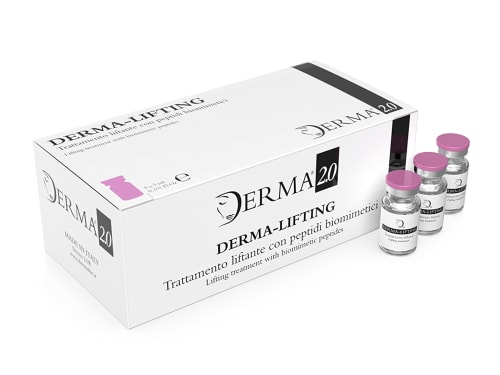
Unlike Botox, Derma-Lifting offers a natural and non-invasive approach to achieving smoother, younger-looking skin. Find out how.
-
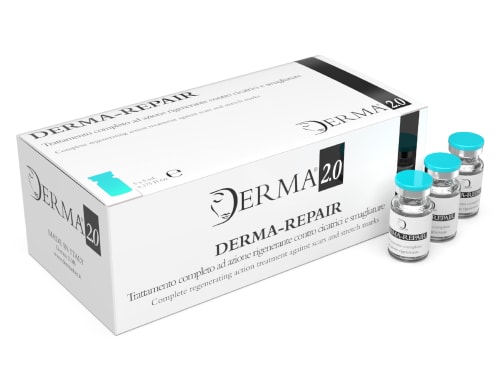
Scars and stretch marks can be a source of self-consciousness. Derma-Repair, a medical-grade mesotherapy solution, offers a powerful approach to address these concerns.
-
-
Struggling with acne or other skin issues? Vitamin B12 could be the answer. Learn how this essential nutrient impacts skin health and how to optimise your intake.
-
Searching for the best lip balm for dry lips? Discover which ingredients have real evidence behind them, why your lips get dry, and how to choose products that actually work.
-
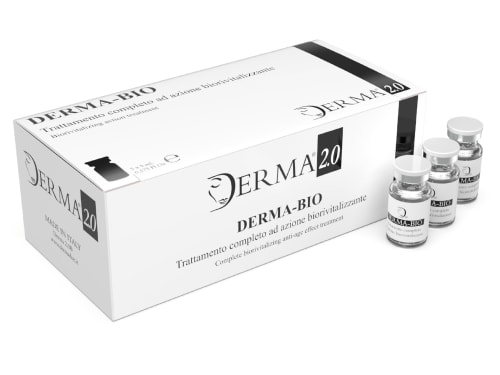
Discover the science behind Derma Bio, a mesotherapy product designed to combat signs of aging and achieve a brighter, smoother, and more youthful appearance.
-

You’ve successfully lost weight with Mounjaro, but what happens when you stop taking it? Evidence-based approaches to maintaining weight loss.