

What’s in this audio? (Click to expand)
- Introduction: The visceral shower drain moment and why GLP-1 hair loss feels like a betrayal after metabolic success.
- The Trial Data Gap: Why clinical trials reported 4-6% incidence whilst real-world data shows 15-33% of users affected.
- The Timeline Paradox: Understanding why hair falls out 3 months after the metabolic trigger, not when you expect.
- Biology of the Shed: The telogen effluvium mechanism, gender disparity, and how cortisol suppresses the Gas6 wake-up signal.
- The Nutritional Crisis: The shocking reality that 98% of GLP-1 users are deficient in vitamin D and other vital nutrients.
- The Protein Foundation: The non-negotiable 1.2-2.0g per kilogramme target and practical strategies to hit these numbers despite appetite suppression.
- Testing & Supplements: Essential blood markers including the critical ferritin threshold of 70ng/ml for hair recovery, not just “normal”.
- Clinical Treatments: How PRP delivers 70-85% success rates, plus IPRF advantages and when minoxidil actually helps.
- The Big Decision: Why stopping Mounjaro today won’t stop the hair loss you’re seeing, and the stabilisation strategy.
- Recovery Timeline: The four phases from trigger to full regrowth and why treating hair loss is vital obesity medicine.
You’re brushing your hair, and there’s more in the brush than usual. Not just a few strands, but clumps. In the shower, you’re watching hair swirl down the drain. You run your fingers through and feel less volume than you remember.
If you’re taking Mounjaro, you’re not imagining it. And you’re definitely not alone.
Here’s the thing about achieving remarkable weight loss—sometimes your body responds to rapid change in ways that feel like a setback. Hair thinning is one of those responses, and whilst it’s understandably worrying, there’s genuine reassurance in understanding what’s happening. The majority of people experiencing Mounjaro hair loss (around 85-90%) are dealing with telogen effluvium, a temporary stress-induced shedding that reverses once your weight stabilises. Hair typically recovers within 6-18 months.
This article will walk you through why GLP-1 medications like Mounjaro trigger hair loss, with evidence-based prevention strategies you can start implementing today, treatment options including PRP therapy when prevention isn’t enough, and realistic timelines for recovery.
Knowledge reduces anxiety. Early action changes outcomes.
Let’s look at what’s really happening.
What’s Actually Happening to Your Hair
Let’s start with the medical term you’re probably encountering: telogen effluvium. It simply means temporary stress-induced hair shedding.
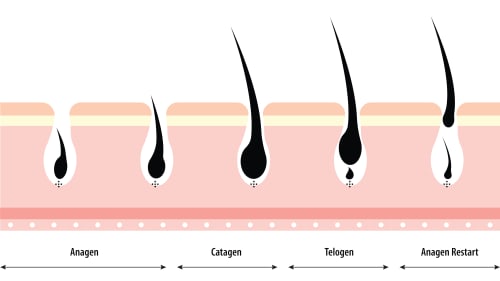
Your hair doesn’t grow continuously. Each follicle cycles through phases. About 85-90% are actively growing (the anagen phase), whilst 10-15% are resting (the telogen phase). [14] Under normal conditions, you lose 50-150 hairs daily as resting follicles shed and new ones begin growing. This process happens gradually, so you barely notice.
Rapid weight loss disrupts this balance. When your body experiences significant metabolic stress—particularly weight loss averaging more than 1-2 pounds weekly—it pushes a higher proportion of follicles into the resting phase simultaneously. Two to three months later, these follicles shed together. The result? You’re losing 300+ hairs daily instead of the usual 50-150. It’s not hair loss in the sense that follicles are dying—it’s synchronised shedding because they all paused growing at once.
The Gap Between Clinical Trials and Your Bathroom Mirror
While GLP-1 medications have undergone extensive clinical trials, hair loss wasn’t initially highlighted as a significant adverse event. [1] More recent real-world evidence reveals the true scope. Approximately 15% of patients using these medications for weight loss experience hair loss, [2], [3] with one large-scale study of nearly 550,000 matched pairs finding a 26-40% increased risk compared to non-users. [2]
Why the difference? Clinical trials may underreport subjective symptoms. Trial participants often receive closer nutritional monitoring. Real-world users may lose weight more rapidly without the same level of support. And frankly, increased awareness means more people are paying attention and reporting changes.
Why Women Experience This More Than Men
The statistics are striking: women are 14 times more likely than men to experience hair loss on Mounjaro. [2] Zepbound clinical trials showed a 7.1% incidence in females, compared with just 0.5% in males. Post-menopausal women appear particularly vulnerable.
This gender disparity reflects hormonal complexity. Rapid weight loss affects sex hormone binding globulin (SHBG) levels, which influences how much testosterone circulates freely in your bloodstream. Women have less margin for error in these delicate hormonal balances. We’ll explore the mechanisms in more detail shortly, but if you’re a woman noticing thinning, you’re experiencing something your body is statistically more prone to during rapid metabolic change.
Timeline Expectations: Your Recovery Roadmap
One of the most anxiety-provoking aspects of Mounjaro hair loss is the delayed reaction. You start the medication, achieve fantastic results, and feel brilliant about your progress. Then, two to four months later, hair starts falling out. It feels disconnected from the cause, which makes it more unsettling.

Here’s what typically happens:
- Hair loss begins: 2-4 months after starting Mounjaro
- Shedding peaks: 3-6 months into treatment
- Recovery begins: 3-6 months after weight stabilises
- Visible improvement: 6-12 months from stabilisation
- Complete recovery: 12-18 months total
The key phrase is “after weight stabilises.” Continued rapid weight loss is a continued stressor. Once your weight plateaus—whether you’ve reached your goal or simply slowed your rate of loss—your body can begin recovering. Follicles gradually shift back to the growing phase. New hairs emerge. Density slowly improves.
This is temporary stress, not permanent damage.
Why Rapid Weight Loss Affects Your Hair: The Science That Matters
It’s not just about vitamins, though they matter. The biological mechanisms behind GLP-1-associated hair loss involve multiple interacting systems: nutritional, hormonal, metabolic, and genetic. Understanding why this happens helps you intervene effectively.
The Nutritional Factor
A 2025 study published in Frontiers in Nutrition examined 69 people taking GLP-1 medications. [4] The findings revealed systematic nutritional inadequacies that directly undermine hair health.
Average protein intake measured just 77 grams daily. [4] That’s insufficient for preserving lean body mass during rapid weight loss, let alone supporting hair growth. But here’s what’s truly striking: 98.6% of participants consumed inadequate vitamin D, 98.6% fell short on potassium, 94.2% on choline, 89.9% on magnesium, and 88.4% on iron. [4]
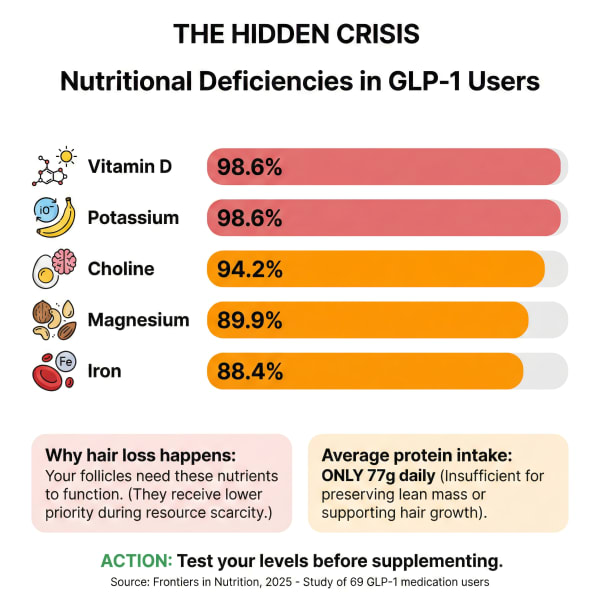
Why are these numbers so dire? GLP-1 medications suppress appetite and slow gastric emptying. Eating becomes physically difficult. You feel full quickly. Food sits heavily. So you eat less—often far less than your body needs to maintain tissue health whilst losing weight.
Hair follicles are among the most metabolically active tissues in your body. They require constant supplies of protein, iron, zinc, B vitamins, and vitamin D—the very nutrients most GLP-1 users aren’t consuming enough of. When nutritional building blocks become scarce, your body prioritises vital organs. Hair follicles receive lower priority during resource scarcity.
Hormonal Disruptions Create a Perfect Storm
Rapid weight loss triggers widespread hormonal changes. Cortisol (your primary stress hormone) elevates in response to the physical stress of rapid metabolic change. Elevated cortisol doesn’t just make you feel stressed; it directly affects hair follicles. [5]
Recent research published in Nature identified a novel mechanism: corticosterone (a cortisol-related molecule) inhibits secretion of Gas6, a protein that normally activates hair follicle stem cells. [5] When Gas6 production drops, follicles remain trapped in the resting phase. They can’t transition back to active growth even after the initial stressor resolves. This discovery explains why stress-induced hair loss sometimes persists longer than expected.
Insulin dynamics create another layer of complexity. Whilst improving insulin sensitivity (one of Mounjaro’s major benefits) generally supports overall health, the rapid transition during weight loss can temporarily disrupt the delicate balance of androgens—male hormones that exist in both men and women. Changes in sex hormone binding globulin (SHBG) mean more testosterone circulates freely, potentially affecting follicles in those genetically sensitive to androgenic influences.
Thyroid function may fluctuate during rapid weight loss. Your thyroid regulates metabolism, and dramatic changes in body composition sometimes trigger temporary adjustments in thyroid hormone levels, which directly influence hair growth cycles.
For women, particularly post-menopausal women, these hormonal shifts compound. Oestrogen levels are already lower. SHBG naturally declines with age. The additional stress of rapid weight loss creates vulnerability that male physiology doesn’t experience to the same degree.
Metabolic Stress on Energy-Demanding Follicles
Your hair follicles are tiny factories that never stop working. Under normal conditions, they’re among the most energy-demanding organs in your body, churning out the protein structures that become hair shafts.
When you’re losing weight rapidly, particularly on a GLP-1 medication that suppresses appetite, you’re running a significant caloric deficit. Your body enters energy conservation mode. Non-essential processes slow down. Hair growth, whilst important to you, isn’t vital for survival. Follicular activity decreases.
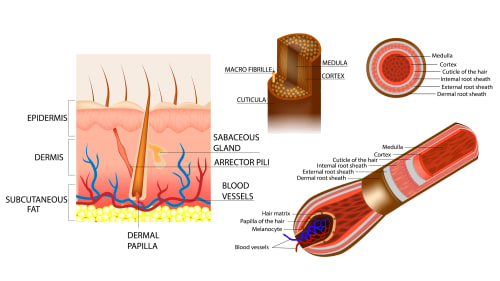
Caloric restriction also generates oxidative stress and inflammatory molecules. Mitochondria in follicle cells (the energy powerhouses) struggle under these conditions. Inflammatory signals accumulate. The combination of reduced energy availability and increased cellular stress pushes follicles toward the resting phase.
This isn’t pathological. It’s your body being pragmatically efficient during a period of metabolic challenge. But it’s also why protein and nutrient intake become so critical—you’re giving your body the resources to maintain less essential tissues even during deficit.
The Androgenetic Alopecia Component: When Genetics Plays a Role
For some people (about 7.7% in research studies [8]) rapid weight loss doesn’t just trigger telogen effluvium. It unmasks underlying androgenetic alopecia, commonly known as pattern baldness.
If you’re genetically predisposed to follicular sensitivity to androgens (which runs in families), rapid metabolic change can accelerate a process that might have emerged gradually over years. The stress reveals vulnerability. Follicles begin miniaturising—producing finer, shorter hairs with each cycle until eventually they stop growing terminal hairs altogether.
This component may not fully reverse, even with treatment. It’s why early intervention matters. If you have a family history of early-onset pattern baldness—particularly if you’re female and notice thinning at the crown or widening part—addressing hair loss proactively becomes even more important.
What About the Medication Itself?
It’s a fair question: does Mounjaro directly damage hair follicles?
The evidence suggests minimal direct effect. GLP-1 receptors do exist in hair follicles (demonstrated in mouse studies), particularly in areas containing stem cells. [12] But their exact function in human hair growth remains unclear.
Here’s the telling observation: once-weekly GLP-1 medications (semaglutide, tirzepatide) show stronger hair loss associations than daily liraglutide. [3] The pattern correlates with the magnitude of weight loss, not the frequency of drug exposure. People losing weight more rapidly experience more hair loss, regardless of which specific GLP-1 medication they’re using.
Your follicles aren’t being poisoned. They’re responding to rapid metabolic upheaval.
Your Hair Protection Protocol: Prevention That Works
The best treatment is prevention. You can start today, whether you’re about to begin Mounjaro or you’ve already noticed early thinning. These evidence-based strategies address the root causes we’ve just explored.
Protein: The Non-Negotiable Foundation
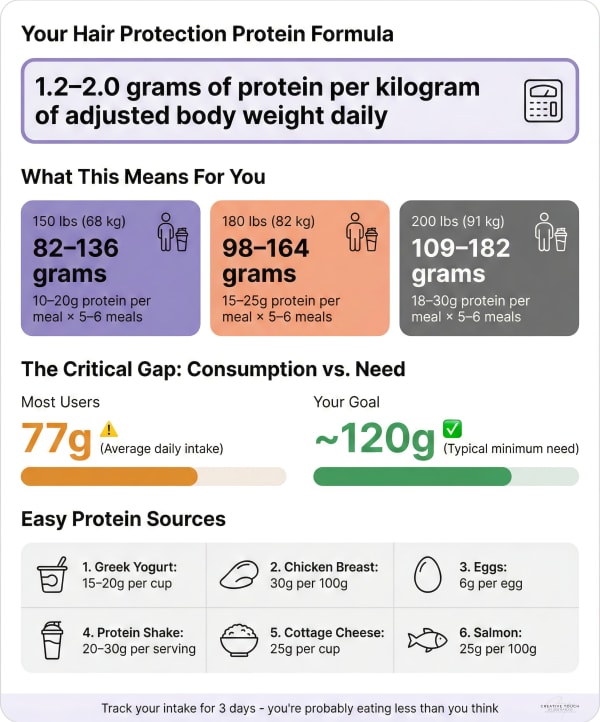
Here’s the equation that matters: you need 1.2-2.0 grams of protein per kilogram of adjusted body weight daily during weight loss. [6] Not the standard recommendations. Not “moderate protein.” This level.
Let’s make it concrete:
- If you weigh 150 pounds (68 kg), you need 82-136 grams daily
- If you weigh 180 pounds (82 kg), you need 98-164 grams daily
- If you weigh 200 pounds (91 kg), you need 109-182 grams daily
The reality check: research shows only 43% of GLP-1 users achieve even the minimum 1.2 g/kg target. [4] Just 10% reach 1.6 g/kg. Merely 5% achieve 2.0 g/kg. There’s a massive gap between what works and what people actually consume.
Why is it so difficult? You’re fighting GLP-1’s appetite suppression and delayed gastric emptying. Food feels like work. You get full quickly. Eating another chicken breast seems impossible when you’re already satisfied.
Without adequate protein, a disproportionate share of weight loss may come from lean tissue rather than fat, [6] although recent primary data suggest muscle itself is relatively spared compared to other lean tissues like the liver. [15] Muscle loss creates metabolic stress. It depletes the amino acids your hair follicles need. It’s the exact physiological crisis that triggers telogen effluvium.
Practical protein strategies
Distribute intake across 5-6 small meals rather than trying to eat large amounts at once. When solid food feels difficult, liquid protein shakes slip down more easily.
Greek yogurt delivers 15-20g per cup. Cottage cheese provides 25g per cup. Both sit well even when you’re not particularly hungry.
Meat, fish, and eggs remain gold standards, but don’t force yourself to eat when you feel nauseous. That’s counterproductive.
Consider protein-fortified foods when available—higher-protein bread, pasta, or snacks that deliver more protein per bite without requiring larger volumes.
Track your intake for at least the first few weeks. You’ll be surprised how quickly small portions add up to inadequate totals. Most people significantly overestimate their protein consumption.
If you’re experiencing food restriction patterns that make adequate nutrition difficult, addressing the psychological relationship with eating becomes as important as the nutritional targets themselves.
Targeted Supplementation: Starting the Day You Start Mounjaro
Don’t wait until hair loss appears. Begin supplementation when you begin medication.
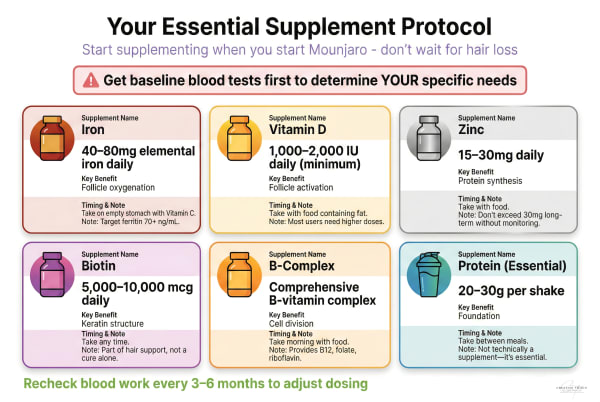
Core supplements with dosing:
Iron: Get your ferritin level tested first. Standard ranges consider 15-30 ng/mL “normal,” but optimal for hair health is above 70 ng/mL. [7] If you’re deficient, supplementation typically requires 40-80mg elemental iron daily. Take it with vitamin C to improve absorption and on an empty stomach if tolerable. Recheck levels every 3 months.
Vitamin D: The 98.6% deficiency rate means you’re statistically deficient. Start with at least 1,000-2,000 IU daily. Many people need more—testing reveals your individual requirements.
Zinc: 15-30mg daily. Don’t exceed this range long-term without monitoring, as excessive zinc can interfere with copper absorption.
Biotin: 5,000-10,000 mcg daily. Whilst biotin alone won’t prevent hair loss, it supports the keratin structure of hair shafts.
B-complex: A comprehensive B-complex supplement provides B12, folate, riboflavin, and other B vitamins that support cell division in rapidly-growing tissues like follicles.
Research on L-cystine (an amino acid) combined with marine collagen has shown encouraging results. These aren’t miracle cures, but when combined with adequate protein, they provide follicular support during stress.
Combination therapy works better than individual nutrients in isolation. Your follicles don’t just need iron—they need iron plus vitamin D plus protein plus zinc, all working together.
Get Baseline Blood Work Now
If you’re about to start Mounjaro, test before beginning. If you’ve already started, test immediately. Without baseline numbers, you’re supplementing blindly.
Essential tests
- Full iron studies (ferritin, serum iron, TIBC, saturation)
- Vitamin B12
- Folate
- Vitamin D (25-hydroxyvitamin D)
- Zinc (though interpretation is tricky—many tests aren’t reliable)
- Comprehensive thyroid panel (TSH, free T4, free T3)
In the UK, private testing is widely available and relatively affordable. Results typically arrive within 48 hours. Many online services allow you to order tests directly without a GP referral.
This baseline enables targeted supplementation rather than a shotgun approach. If your ferritin is 15 ng/mL, you know you need aggressive iron therapy. If it’s 80 ng/mL, you can focus elsewhere. Precision matters.
Recheck at 3-6 months, particularly if you’ve implemented supplementation. Are the interventions working? Has your vitamin D normalized? Is ferritin climbing toward the 70+ target?
Are You at Higher Risk? A Self-Assessment
Some factors significantly increase vulnerability:
- Female gender (especially post-menopausal) increases risk 14-fold
- Rapid weight loss (more than 2 pounds weekly consistently)
- Significant total weight loss (≥10% of body weight)
- Pre-existing conditions: thyroid dysfunction, PCOS, previous episodes of hair loss
- Iron deficiency anaemia
- Family history of early-onset pattern baldness
If multiple factors apply to you, prevention becomes even more critical. You’re not destined for severe hair loss, but you benefit most from proactive intervention.
Gentle Hair Care During Treatment
Your follicles are under metabolic stress. Minimise additional mechanical stress.
Avoid tight ponytails, braids, or styles that pull on the scalp. Traction alopecia (hair loss from pulling) compounds telogen effluvium.
Reduce heat styling when possible. Air-dry more often. Lower temperatures when you do use heat tools.
Wide-tooth combs cause less breakage than fine-tooth combs. Brush gently, particularly when hair is wet and more fragile.
Minimise washing frequency if comfortable. Daily washing isn’t necessary for most people and adds mechanical stress each time you manipulate your hair.
Avoid harsh chemical treatments (bleaching, perming, relaxing) during the vulnerable period. Your hair shafts are more fragile when follicles are stressed.
These changes won’t prevent telogen effluvium, but they minimise the compounding factors that make thinning more noticeable.
Your Week-One Prevention Checklist

□ Calculate your personal protein requirements (1.2-2.0 g/kg)
□ Order baseline blood tests
□ Start a comprehensive multivitamin with emphasis on iron, vitamin D, zinc, B-complex
□ Begin tracking protein intake at each meal
□ Take “before” photos from multiple angles (you’ll want them later)
□ Set a calendar reminder for 3-month blood work recheck
□ Identify protein-rich foods you genuinely enjoy eating
Early action changes outcomes. Starting these interventions today gives your follicles the support they need during the challenging months ahead.
Treatment Options When Prevention Isn’t Enough
Sometimes, despite your best efforts at prevention, hair loss progresses. You’ve optimised nutrition. You’re taking supplements. Your blood work looks better. But you’re still losing hair, and it’s affecting how you feel about yourself.
This is when evidence-based treatments become valuable.
When to Seek Treatment
Don’t wait for severe loss. Early intervention works better than a delayed response.
Consider treatment if:
- Active shedding continues beyond 3 months despite nutritional optimisation
- You notice visible scalp areas or significant widening of your parting
- Thinning affects your quality of life and confidence
- You have family history suggesting genetic vulnerability
- You’d simply prefer to accelerate recovery rather than wait passively
There’s no prize for toughing it out. If hair loss bothers you, addressing it proactively makes sense.
PRP Therapy: Evidence-Based Hair Restoration
Platelet-rich plasma (PRP) therapy has emerged as the gold standard treatment for the specific type of hair loss associated with GLP-1 medications.
Here’s how it works: we draw a small amount of your blood (similar to routine blood tests), process it through centrifugation to concentrate the platelets, and inject the resulting plasma into areas of thinning on your scalp. The concentrated platelets release growth factors— platelet-derived growth factor (PDGF), vascular endothelial growth factor (VEGF), fibroblast growth factor (FGF)—directly to follicles.
These growth factors stimulate stem cells in the follicle bulge, encourage blood vessel formation, reduce inflammation, and promote the transition from resting to growing phase. Because we’re using your own blood components, there’s no risk of allergic reaction or rejection.
The evidence base:
Multiple meta-analyses demonstrate 70-85% success rates specifically for telogen effluvium. Exactly the type of hair loss most GLP-1 users experience. Studies show significant improvements in hair density, shaft diameter, and growth phase percentage. [10]
Crucially, PRP works well for stress-induced hair loss. It doesn’t just treat androgenetic alopecia (though it helps there too)—it directly addresses the follicular dormancy caused by rapid metabolic change.
Treatment protocol:
Initial phase typically involves 3-4 monthly sessions, giving follicles sustained growth factor exposure during the vulnerable period.
Maintenance phase continues every 6 months ongoing. PRP isn’t a one-time cure—it’s a regenerative treatment that supports follicular health long-term.
Timeline:
- Initial improvements: 2-3 months (reduced shedding, early regrowth)
- Visible results: 3-6 months (noticeable density improvement)
- Optimal results: 6-12 months with continued treatment
Can you start PRP whilst still actively losing weight on Mounjaro?
Yes. You don’t need to wait until weight stabilises. [11] In fact, early intervention during active weight loss appears more effective than waiting. You’re giving follicles growth factor support whilst they’re under metabolic stress, potentially preventing them from entering prolonged dormancy in the first place.
UK availability and investment:
PRP for hair loss is widely available across the UK, including at our clinic serving Rotherham, Sheffield, and South Yorkshire. Treatment sessions are typically £150 depending on the area treated and technique used.
Initial course (3-4 sessions): £450-600
Annual maintenance (2 sessions): £300
This isn’t NHS-covered, as hair loss from weight loss medications is classified as cosmetic rather than medical. But for many people dealing with significant thinning, the investment in confidence and accelerated recovery proves worthwhile.
Curious whether PRP therapy might help your specific situation? Let’s discuss your case.
iPRF: The Next-Generation Option
Injectable platelet-rich fibrin (iPRF) represents an evolution of PRP technology, using slower centrifuge speeds that preserve more growth factors and stem cells from your blood.
The slower spin also preserves fibrin, a protein that creates a scaffold matrix. This matrix provides sustained release of growth factors over several days rather than immediate delivery, potentially extending the therapeutic window.

iPRF treatment typically costs 25% more than conventional PRP and isn’t as widely available yet. For complex cases or when standard PRP hasn’t achieved desired results, the enhanced formula may offer advantages.
If you’re curious to learn more about the science behind PRP and iPRF treatments, and the differences between them, we take an in-depth look in our article The Science Behind PRP And iPRF.
Other Evidence-Based Treatments
Minoxidil (topical):
Available over-the-counter as Regaine in the UK, minoxidil is FDA-approved for pattern hair loss but also accelerates recovery from telogen effluvium. [13] The 5% foam works for both men and women. It increases blood flow to follicles and prolongs the growth phase.
Consistency matters. You need twice-daily application. Results appear gradually over 4-6 months. Some people experience an initial shedding phase as dormant hairs are pushed out to make way for new growth.
Continued nutritional supplementation:
Even with PRP treatment, maintaining optimal nutrition remains foundational. PRP provides growth factor stimulation, but follicles still need protein, iron, and vitamins to translate that stimulation into actual hair growth.
Low-level light therapy:
Red light therapy devices have emerging evidence for stimulating follicular activity. They’re not as well-established as PRP, but some patients use them as adjunctive treatment. Home devices range from £200-500 for reputable brands.
At Creative Touch, we offer LED light therapy treatments using medical-specification equipment that delivers higher intensity and broader coverage than home devices. While we primarily use LED therapy for facial rejuvenation and skin healing, the same cellular mechanisms that promote collagen production and tissue repair may benefit scalp health when combined with treatments like PRP or mesotherapy. We’ve found that our clients who incorporate LED sessions alongside their hair restoration protocols report improved scalp condition and faster recovery from injectable treatments.
Combination approaches:
Research increasingly supports combining treatments rather than relying on a single intervention. PRP plus minoxidil plus optimal nutrition often works better than any one approach alone.
What Doesn’t Work: Managing Expectations
Let’s address some common misconceptions that circulate online.
Biotin alone won’t prevent or reverse significant telogen effluvium. It’s helpful as part of a comprehensive approach, but it’s not sufficient by itself. Those expensive “hair vitamins” promising miraculous results are usually biotin-heavy formulations that ignore the protein and iron foundation.
Topical products claiming overnight results aren’t supported by evidence. Hair growth is slow—there’s no way around the biological timeline of follicular cycles.
Stopping Mounjaro immediately doesn’t halt hair loss due to the 3-6 month cycle delay. Hair that’s going to shed was already pushed into the resting phase months ago. And you lose the metabolic benefits without meaningfully changing the hair trajectory.
No single magic bullet exists. Comprehensive approaches targeting multiple mechanisms simultaneously offer the best outcomes.
Your Action Plan Based on Where You Are Now
Different stages of your Mounjaro journey require different priorities. Here’s your customised roadmap.
If You’re About to Start Mounjaro
You have a prevention window. Use it.
Get baseline blood work now. Test ferritin, vitamin D, B12, thyroid panel. Know your starting point.
Calculate your protein requirements using your current weight and the 1.2-2.0 g/kg formula. Start meeting those targets immediately.
Begin hair-focused supplementation today. Don’t wait until you’ve been on Mounjaro for a month—your follicles benefit from nutritional support from day one.
Take comprehensive “before” photos from multiple angles in consistent lighting. You’ll be grateful later when you want to assess whether subtle improvements are occurring.
Track your weight loss rate carefully. If you’re losing more than 2 pounds weekly consistently, consider whether slowing slightly might reduce hair loss risk whilst still achieving your goals.
Set a calendar reminder for 3-month blood work recheck and nutritional assessment.
The weeks before starting treatment are when prevention is easiest. Your follicles aren’t stressed yet. Building nutritional reserves now gives them resilience for the challenging period ahead.
If You’re Already Experiencing Hair Loss
Don’t panic. Most cases are temporary. But act now rather than waiting passively.
Assess nutrition immediately. Are you genuinely hitting 1.2-2.0 g/kg protein daily? Track meticulously for three days to get accurate data rather than guessing.
Get comprehensive blood work if you haven’t already. Ferritin is particularly crucial—if it’s below 70 ng/mL, aggressive supplementation becomes priority one.
Consider PRP therapy if you’ve been experiencing active shedding for more than 3 months. Early intervention works better than waiting until you have significant visible thinning.
Address any identified deficiencies aggressively. If blood work reveals low vitamin D or iron, treat those deficiencies with therapeutic doses, not maintenance amounts.
Track progress monthly. Take photos in consistent lighting from the same angles. Hair regrowth is gradual—monthly documentation helps you see changes that would otherwise be imperceptible.
Be patient with yourself. You’re navigating a challenging situation whilst simultaneously achieving major metabolic improvements. Both matter.
If You’re Considering Stopping Mounjaro
This decision involves difficult calculus: weighing substantial metabolic benefits against cosmetic concerns that genuinely affect quality of life. There’s no universal right answer.
Some context: hair will typically recover even if you continue Mounjaro, once weight stabilises. The medication itself isn’t permanently damaging follicles. Stopping doesn’t immediately halt hair loss—those follicles were pushed into the resting phase months ago and will shed on their predetermined schedule regardless.
Before deciding, consider:
Has your weight plateaued? If you’ve reached a stable weight and shedding persists, stopping might make sense. If you’re still losing rapidly, stopping removes the trigger for future shedding whilst accepting that current shedding will continue temporarily.
Could slower dose titration help? Some people find that reducing their dose or taking breaks achieves continued weight loss at a more gradual rate, potentially reducing hair loss whilst maintaining metabolic benefits.
What does your prescriber recommend? They can help you weigh the metabolic improvements (insulin sensitivity, cardiovascular benefits, reduced inflammation) against cosmetic concerns in the context of your overall health picture.
Have you addressed prevention thoroughly? Sometimes people consider stopping before they’ve genuinely optimised nutrition and supplementation. If you haven’t tried the prevention protocol consistently for 3-6 months, you may be making the decision prematurely.
Don’t just stop without medical consultation. Your prescriber needs to know, particularly if you’re using Mounjaro for type 2 diabetes management rather than purely weight loss.
When to See a Specialist
Most cases of GLP-1-associated hair loss resolve with time and supportive measures. But some situations warrant specialist evaluation:
Persistent shedding more than 6 months after weight has stabilised suggests something beyond simple telogen effluvium.
Visible bald patches (rather than diffuse thinning) might indicate alopecia areata or androgenetic alopecia requiring specific treatment.
Sudden onset without gradual progression is unusual for telogen effluvium.
Family history of early-onset pattern baldness, particularly if you’re seeing miniaturization and progressive widening of your part.
Coexisting scalp symptoms such as itching, pain, inflammation, scaling, suggest additional dermatological issues rather than purely stress-induced shedding.
A dermatologist or trichologist can assess whether you’re dealing with simple telogen effluvium or a more complex picture requiring targeted intervention.
The Path Forward: What You Need to Remember
Hair loss affects 15-33% of people taking Mounjaro in real-world practice. If you’re experiencing it, you’re part of a significant minority, not an isolated case.
The primary mechanism is telogen effluvium triggered by rapid weight loss—a stress response, not permanent damage. Between 85-90% of cases are temporary and reversible. Your follicles aren’t dying; they’re dormant.
Prevention works, and it centers on aggressive protein intake. The 1.2-2.0 g/kg daily target is foundational. Targeted supplementation addressing widespread vitamin D, iron, and B vitamin deficiencies gives follicles the building blocks they need.
PRP therapy offers 70-85% success rates when prevention isn’t sufficient, with visible improvement beginning at 3-6 months. [9] You can start treatment during active weight loss rather than waiting for stabilization.
The recovery timeline demands patience: 6-18 months from weight stabilisation until complete recovery. But recovery does occur for the vast majority. The hair you’re losing today can grow back tomorrow—with the right support.
What’s often under-emphasised: the real-world incidence is substantially higher than the 4-6% reported in clinical trials. The critical 2-4 month window before shedding peaks is when prevention intervention matters most. Protein requirements exceed standard recommendations during rapid weight loss. PRP treatment is safe and effective during concurrent GLP-1 use.
You’re achieving something remarkable by addressing your metabolic health. Mounjaro’s benefits for insulin sensitivity, cardiovascular risk, inflammation, and quality of life are profound. Hair loss doesn’t negate those achievements—it’s a manageable side effect that responds to informed intervention.
Knowledge reduces anxiety. Early action changes outcomes. You don’t have to choose between metabolic health and hair health.
Whether you’re just starting your Mounjaro journey, actively managing thinning, or looking to accelerate recovery, understanding the science empowers you to take the actions that make the difference.

Frequently Asked Questions
- Will my hair definitely fall out on Mounjaro?
No. Between 15-33% of people experience noticeable hair loss in real-world practice (clinical trials reported lower at 4-6%), which means the majority—roughly two-thirds to three-quarters—don’t experience significant thinning. Women are at substantially higher risk than men, and rapid weight loss increases vulnerability.
Key risk factors that influence your likelihood:
- Gender - Women experience 14 times higher rates than men, particularly post-menopausal women
- Weight loss rate - Losing more than 2 pounds weekly consistently increases risk
- Total weight lost - Those losing ≥10% of body weight face higher vulnerability
- Baseline nutrition - Pre-existing iron deficiency or vitamin D insufficiency compounds risk
In our clinical experience, most clients who do develop thinning notice it gradually over weeks rather than dramatic overnight shedding. Starting prevention protocols early may further reduce your risk, and early intervention produces better outcomes than reactive treatment.
- How do I know if I’m at higher risk for hair loss on Mounjaro?
Several factors significantly increase vulnerability to hair loss during GLP-1 treatment. If multiple apply to you, prevention becomes even more critical.
High-risk factors:
- Female gender, especially post-menopausal - 14-fold higher risk than men due to hormonal sensitivity
- Family history of early hair loss - Pattern baldness in parents or siblings before age 40 suggests genetic predisposition being unmasked
- Pre-existing iron deficiency - Ferritin below 30 ng/mL dramatically increases vulnerability
- History of hair loss disorders - Previous telogen effluvium, alopecia areata, or chronic shedding
- Thyroid conditions - Hypothyroidism or Hashimoto’s already affecting hair cycling
- Polycystic ovary syndrome - Hormonal imbalances compound during rapid weight loss
- Very rapid weight loss - Consistently losing 3-4+ pounds weekly rather than 1-2 pounds
Moderate-risk factors include vitamin D deficiency (affects 98.6% of GLP-1 users), age over 45, and significant total weight loss planned (≥15% of body weight).
If you tick multiple boxes, we strongly recommend baseline blood work before starting Mounjaro—ferritin, vitamin D, thyroid panel, B12, and folate—to identify and address deficiencies proactively rather than reactively. Early comprehensive supplementation combined with 1.6-2.0 g/kg protein daily significantly reduces risk even in vulnerable populations.
You’re not destined for severe hair loss if you’re high-risk, but you benefit most from aggressive prevention protocols starting the day you begin medication.
- What supplements should I start before beginning Mounjaro?
Start comprehensive supplementation when you begin Mounjaro, not after hair loss appears. Evidence-based core protocol includes iron (if ferritin <70 ng/mL), vitamin D (1,000-2,000 IU minimum), zinc (15-30 mg), biotin (5,000-10,000 mcg), and B-complex.
Get baseline blood work first:
- Iron studies - 88.4% of GLP-1 users are deficient; ferritin should be >70 ng/mL for optimal hair health, not just the “normal” range of 15-30 ng/mL
- Vitamin D - 98.6% deficient; individual needs vary widely (some require 1,000 IU daily, others need 5,000 IU)
- Thyroid panel - Rapid weight loss sometimes affects thyroid function; TSH, free T4, and free T3
- B12 and folate - Common deficiencies that impair follicle cell division and function
Research on L-cystine (20-70 mg daily) combined with marine collagen shows promise, with some trials demonstrating significant improvements in hair density and reduced telogen phase percentage. However, no supplement overcomes inadequate protein. You must hit 1.2-2.0 g/kg daily first.
We help clients arrange private blood testing (results within 48 hours) to create targeted supplementation protocols rather than generic multivitamins. Recheck ferritin and vitamin D at 3-6 months to verify the interventions are working.
Supplements support prevention but don’t replace adequate nutrition. Think of them as insurance, not replacement. The foundation remains protein, protein, protein.
- How do I know if my shedding is normal or something worse?
Mounjaro-related telogen effluvium follows predictable patterns that distinguish it from conditions requiring urgent medical attention.
Expected telogen effluvium pattern:
- Timeline - Begins 2-4 months after starting medication, not immediately
- Distribution - Diffuse across entire scalp, not isolated patches
- Scalp health - Normal, healthy scalp without inflammation, redness, scaling, or pain
- Hair quality - Sheds are normal-thickness hairs with white bulbs at root (telogen hairs)
- Progression - Gradual worsening over weeks, not dramatic overnight change
- Volume - Increased shedding (200-400 daily) but not complete baldness in areas
Warning signs requiring urgent dermatologist assessment:
- Bald patches - Completely smooth, circular areas with no hair (possible alopecia areata)
- Broken hairs - Hairs snapping off at different lengths rather than shedding from root
- Scalp changes - Redness, severe itching, scaling, pustules, or pain (possible scalp infection or inflammatory condition)
- Sudden onset - Hair falling out in large clumps within days of starting medication
- Asymmetric loss - One side significantly worse than the other
Track your shedding for one week: count hairs on pillow, in shower drain, and on brush daily. Average daily loss of 150-400 hairs aligns with telogen effluvium. If you’re filling entire brushes with single passes or seeing bald skin where hair used to be, seek assessment.
In our clinical experience, the vast majority of concerning-looking shedding is actually standard telogen effluvium that feels alarming but follows expected patterns. Taking photos weekly (same lighting, same part) helps you see whether density is genuinely declining or your anxiety is magnifying normal variation.
- How long does Mounjaro hair loss last?
Shedding typically begins 2-4 months after starting medication, peaks at 3-6 months, and continues throughout active rapid weight loss. Recovery begins 3-6 months after your weight stabilises.
What “stabilisation” actually means:
- Not perfection - You don’t need to reach your final goal weight or stop medication
- Rate matters - Slowing to 1-2 pounds monthly rather than 2-3 pounds weekly signals stabilization
- Plateau pattern - Weight hovering within 3-5 pounds for several weeks rather than continuous decline
Once stabilised, visible regrowth typically emerges at 6-12 months, with complete recovery within 12-18 months total. In our clinical experience, clients often notice reduced shedding as the first positive sign - brushing becomes less anxiety-provoking before you see actual density improvement.
The timeline depends significantly on when your weight plateaus, which you have some control over through dosing adjustments and nutritional strategies. Those who maintain aggressive protein intake (1.6-2.0 g/kg daily) and implement PRP therapy during active shedding often see faster recovery once weight stabilises.
- I’m losing 3-4 pounds weekly. Should I reduce my Mounjaro dose?
Potentially yes. Extremely rapid weight loss (consistently >2-3 pounds weekly) creates more metabolic stress on follicles whilst offering minimal additional health benefit compared to steady 1-2 pound weekly loss. Discuss dosing adjustment with your prescriber if you’re concerned.
Strategies to moderate weight loss rate:
- Dosing adjustments - Your prescriber can titrate to a lower maintenance dose once initial weight reduction achieved; some clinicians use intermittent dosing (e.g., every 10-14 days rather than weekly) for maintenance
- Nutritional intervention - Consciously increasing protein intake slows loss by preserving muscle mass; resistance training forces your body to maintain lean tissue
- Modest calorie increase - Small increases of 100-200 daily calories can moderate rate without stopping progress
The GLP-1 appetite paradox: You eat less because you genuinely feel less hungry, not through willpower. “Forcing” yourself to eat when satiated creates miserable experience. This makes rate control more complex than with traditional diets.
Realistic expectations: The average Mounjaro user loses 15% of body weight over 72 weeks. If you’re significantly exceeding this trajectory (e.g., 30% loss in same timeframe), dosing adjustment is worth discussing. However, if you’re within typical range, your hair loss likely reflects inadequate nutrition rather than excessive speed.
In our clinical experience, clients who focus on maximizing protein intake whilst accepting their body’s natural weight loss rate achieve better overall outcomes than those who try to artificially slow progress through dose reduction before reaching therapeutic goals.
- Should I stop taking Mounjaro if I’m losing hair?
This is a personal decision requiring honest conversation with your prescriber, balancing the significant metabolic benefits you’re achieving against cosmetic concerns that, whilst distressing, are usually temporary.
Key realities to inform your decision:
- Hair loss doesn’t equal follicle damage - This is temporary telogen effluvium that resolves when weight stabilizes, not permanent destruction
- Stopping doesn’t immediately halt shedding - Follicles were pushed into resting phase months ago; the timeline continues regardless of whether you stop now
- Metabolic benefits are substantial - Improved glycemic control, reduced cardiovascular risk, and sustained weight loss offer long-term health gains
- Prevention strategies still work - Aggressive protein supplementation (1.6-2.0 g/kg daily) and PRP therapy can help even during active medication use
Many people continue Mounjaro whilst implementing comprehensive prevention protocols—adequate protein, targeted supplementation addressing deficiencies, and considering PRP therapy if thinning becomes significant. In our experience, clients who optimize nutrition whilst continuing treatment often achieve both their weight goals and acceptable hair recovery.
When stopping IS appropriate:
- Severe, progressive thinning despite implementing nutritional interventions for 3+ months
- Family history suggests high androgenetic alopecia risk being unmasked rather than temporary telogen effluvium
- Psychological distress significantly affecting quality of life beyond the cosmetic concern itself
- You’ve achieved sufficient weight loss to maintain without medication and can transition to lifestyle management
Discuss these factors honestly with your prescriber to make the decision that aligns with your priorities. There’s no universal right answer, only the right answer for your specific situation, values, and health goals.
- Is the hair loss permanent?
For 85-90% of people, no. Hair loss from Mounjaro is temporary telogen effluvium that fully reverses within 6-18 months after weight stabilizes. Your follicles aren’t damaged; they’re temporarily resting in response to metabolic stress.
The androgenetic alopecia component:
- Affects approximately 7-8% of GLP-1 users based on research
- Genetic predisposition required - Not everyone is vulnerable; family history is key indicator
- Partial recovery possible - Some improvement occurs even with androgenetic patterns, though miniaturization may not fully reverse
- Requires specific treatment - Minoxidil, finasteride (men), or PRP therapy for long-term management
How to distinguish between temporary and permanent patterns:
- Telogen effluvium - Diffuse thinning across entire scalp, sudden onset correlating with medication start, gradual improvement after weight stabilizes
- Androgenetic alopecia - Pattern-based (widening part in women, crown/temples in men), progressive worsening despite weight stabilization, family history often present
A dermatologist can perform dermoscopy (magnified scalp examination) to identify follicular miniaturization characteristic of androgenetic alopecia versus the preserved follicle size seen in telogen effluvium. This distinction matters because treatment approaches differ.
In our clinical experience with clients using GLP-1 medications, the vast majority see complete recovery: brushes return to normal hair counts, ponytails regain thickness, partings narrow back to baseline. The anxiety about permanence typically far exceeds the actual risk. Those who do develop androgenetic patterns still achieve substantial improvement with appropriate treatment, just not complete reversal to pre-weight-loss density.
- Should I start treatment now or wait until my weight stabilises?
Start interventions during active weight loss, not after. Waiting until weight stabilises means enduring months of worsening shedding that early intervention could minimise.
What works during active GLP-1 use:
Nutrition-first approach (begin immediately):
- 1.6-2.0 g/kg protein daily - single most important intervention, more impactful than any supplement
- Comprehensive vitamin/mineral protocol addressing the 98.6% deficiency rate in vitamin D, magnesium, and B vitamins
PRP therapy (begin at 3-4 months if shedding significant):
- 70-85% success rates for telogen effluvium specifically in published trials
- Can be performed during ongoing weight loss—no drug interactions with GLP-1 medications
- Initial improvements visible at 2-3 months, significant results by 3-6 months post-treatment
- Works by stimulating follicles to transition from resting back to growing phase through growth factor delivery
Topical minoxidil (consider if androgenetic component suspected):
- More effective for pattern baldness than pure telogen effluvium
- Can be used during GLP-1 treatment without interactions
- Requires indefinite use to maintain any results achieved
The evidence suggests early, aggressive intervention produces better outcomes than reactive treatment after extensive loss. We’ve observed that clients who start comprehensive protocols when shedding begins, rather than waiting months hoping it resolves, experience less total hair loss and faster recovery once weight does stabilise.
Waiting for weight stabilisation is appropriate if hair loss is minimal (fewer than 200 hairs daily) and you’re confident in your nutritional intake (tracking confirms 1.6+ g/kg protein). But if shedding is distressing, progressively worsening, or exceeding 300-400 hairs daily, acting now changes the trajectory.
Full transparency: We offer PRP therapy at Creative Touch. However, we’d recommend it even if we didn’t provide it. The evidence for telogen effluvium is compelling with 70-85% success rates in published trials. That said, honest assessment requires noting that most published studies are small-scale. Long-term data beyond 2 years is limited, and individual responses vary significantly.
- Will minoxidil (Regaine) help with Mounjaro hair loss?
Minoxidil works primarily for androgenetic alopecia (pattern baldness) rather than telogen effluvium. If your hair loss is purely stress-induced temporary shedding from rapid weight loss, minoxidil offers minimal benefit and requires indefinite use to maintain any results achieved.
When minoxidil IS appropriate:
- Androgenetic component identified - Dermoscopy shows follicular miniaturization patterns
- Pattern-based loss - Crown thinning (women), temples/crown (men) rather than diffuse all-over shedding
- Family history present - Early-onset pattern baldness in parents or siblings
- Persistent after weight stabilization - Loss continues or worsens 6+ months after plateau
For standard telogen effluvium, evidence supports alternative approaches:
- Protein optimization (1.6-2.0 g/kg daily) - addresses the root physiological cause
- Iron/nutrient repletion - corrects the widespread deficiencies creating follicular vulnerability
- PRP therapy - 70-85% success rates for telogen effluvium specifically, versus limited evidence for minoxidil in stress-induced shedding
- Weight stabilization - removes the triggering metabolic stressor
Minoxidil considerations if you do use it:
- Commitment required - Results take 4-6 months minimum; stopping causes rapid loss of any gained hair within 3-4 months
- Initial shedding phase - Paradoxical increase in hair loss for 2-8 weeks (normal telogen synchronization response)
- Cost - £20-40 monthly indefinitely for brand-name Regaine; generic minoxidil versions available for £8-15 monthly
- Application - Twice daily for men (5% solution or foam), once daily for women (2% or 5% depending on tolerance)
Honest assessment: if you’re 3 months into Mounjaro with diffuse shedding and inadequate protein intake (averaging <100g daily), fix your nutrition first. Minoxidil won’t override fundamental nutritional deficiency creating the metabolic stress. However, if you’re 9 months post-weight-stabilization with persistent crown thinning and family history of early hair loss, minoxidil becomes more appropriate.
We help clients determine whether minoxidil suits their specific pattern through dermoscopy examination and family history assessment rather than generic recommendations. The distinction between telogen effluvium and androgenetic alopecia genuinely matters for treatment selection.
- Does everyone experience the same amount of hair loss on Mounjaro?
No. Individual variation is enormous, ranging from no noticeable thinning to significant diffuse loss requiring intervention. Your experience reflects your unique combination of genetics, nutritional status, hormonal profile, and weight loss rate.
Factors determining severity:
- Baseline nutrient stores - Starting with ferritin <30 ng/mL dramatically increases vulnerability; those with ferritin >70 ng/mL experience substantially less shedding
- Protein adherence - Those achieving 1.6-2.0 g/kg daily experience substantially less loss than those averaging 0.8-1.0 g/kg
- Rate of weight loss - Consistently losing >2-3 pounds weekly creates more follicular stress than steady 1-2 pound weekly loss
- Genetic susceptibility - Family history of early hair loss indicates higher risk of androgenetic component being unmasked
- Age and hormones - Post-menopausal women face compounded risk from declining estrogen and reduced SHBG
- Pre-existing conditions - Thyroid dysfunction, PCOS, or iron deficiency worsen outcomes
The spectrum of experiences:
- No noticeable change (~65-75%) - Shedding within normal daily variation of 50-150 hairs, no concern
- Mild increased shedding (~10-15%) - More hair in brush (150-250 daily) but no visible thinning to others
- Moderate diffuse thinning (~5-10%) - Noticeable to you, possibly to others upon close inspection, density reduced but no bald areas
- Significant loss requiring intervention (~3-5%) - Visible scalp through part, concerning reduction in ponytail thickness, 300-500 hairs daily
- Severe loss (~1-2%) - Often androgenetic component unmasked, requires aggressive treatment combining PRP and possibly minoxidil
Your social media perception is biased: people experiencing no hair loss don’t post dramatic before/after photos in Facebook groups. The woman showing extensive thinning represents the severe end of the spectrum, not the typical experience. Meanwhile, thousands of people are losing weight successfully with minimal follicular impact but have no reason to share “nothing happened to my hair” updates online.
In our clinical practice, we see the full spectrum. Most clients using comprehensive prevention protocols (adequate protein, baseline blood work, targeted supplementation) experience minimal to no concerning loss. Those who do develop significant thinning typically respond well to PRP therapy combined with nutritional optimization, achieving substantial recovery even if not complete return to pre-weight-loss density.
If you’re experiencing hair loss, you’re not broken or uniquely vulnerable—you’re likely experiencing a correctable combination of rapid weight loss and nutritional inadequacy that evidence-based intervention can address. The outcome is largely in your control through protein prioritisation and early treatment.
- When should I see a doctor about hair loss on Mounjaro?
Seek dermatologist consultation if you experience warning signs suggesting something beyond standard telogen effluvium, or if hair loss is significantly affecting your quality of life despite implementing prevention strategies.
Urgent assessment recommended (within 1-2 weeks):
- Sudden, dramatic hair loss - Large clumps daily with rapid progression over days rather than gradual worsening over weeks
- Visible bald patches - Completely smooth, circular areas developing (possible alopecia areata)
- Severe scalp symptoms - Intense itching, pain, burning, inflammation, or pustules (possible infection or inflammatory condition)
- Systemic symptoms - Hair loss accompanied by fever, severe fatigue beyond GLP-1 tiredness, or unexplained weight loss beyond intended
Schedule specialist appointment within 2-4 weeks if:
- Persistent shedding post-stabilization - Loss continues unchanged or worsens for >6 months after weight has plateaued
- Progressive worsening despite intervention - Implementing comprehensive protein (1.6-2.0 g/kg) and supplementation protocols for 3+ months without improvement
- Family history concerns - Early-onset pattern baldness in parents or siblings, particularly women with thinning before age 40
- Coexisting conditions - Active autoimmune conditions, thyroid disorders, or other health issues that may complicate hair loss
- Psychological impact - Significant distress affecting daily functioning, relationships, or willingness to continue beneficial medication
GP blood work and monitoring appropriate for:
- Baseline nutritional testing - Ferritin, vitamin D, thyroid panel (TSH, free T4, free T3), B12, and folate before or early in treatment
- Standard telogen effluvium - Diffuse shedding during active weight loss with no alarming features, following expected 2-4 month onset pattern
- Monitoring response - Rechecking ferritin and vitamin D at 3-6 month intervals to verify supplementation is working
The British Association of Dermatologists maintains a “Find a Consultant” directory for NHS and private dermatology specialists with hair loss expertise. Private consultations typically cost £150-250 initially and may include dermoscopy (magnified scalp examination) to distinguish telogen effluvium from androgenetic alopecia patterns—essential for treatment planning.
Don’t delay specialist input if you’re genuinely concerned. Early intervention for androgenetic alopecia produces significantly better outcomes than waiting until extensive follicular miniaturization has occurred. Dermoscopy can identify miniaturization patterns months before they become visually obvious, enabling proactive rather than reactive treatment.
This article is for educational purposes and reflects current scientific understanding of GLP-1-associated hair loss. Individual experiences vary. For personalised advice about your specific situation, consult with your prescriber or a specialist in hair restoration.
References
Akiska, Y., Vidal, S., Menta, N., Nasseri, M., Nussbaum, D., Cotton, C., Castelo-Soccio, L., Friedman, A. (2025). Increased Incidence and Risk of Hair Loss with Glucagon-like Peptide 1 Receptor Agonists: A Real-World Multicentre Cohort Study. EMJ Dermatology, (), 52-54. doi.org/10.33590/emjdermatol/TYEW1122
doi: 10.33590/emjdermatol/TYEW1122Godfrey, H., Leibovit‐Reiben, Z., Jedlowski, P., Thiede, R. (2024). Alopecia associated with the use of semaglutide and tirzepatide: A disproportionality analysis using the FDA adverse event reporting system (FAERS) from 2022 to 2023. Journal of the European Academy of Dermatology and Venereology, 39(2), . doi.org/10.1111/jdv.20197
doi: 10.1111/jdv.20197Buontempo, M., Santos, B. (2025). Exploring the hair loss risk in glucagon‐like peptide‐1 agonists: Emerging concerns and clinical implications. Journal of the European Academy of Dermatology and Venereology, 39(2), 263-264. doi.org/10.1111/jdv.20512
doi: 10.1111/jdv.20512Johnson, B., Milstead, M., Thomas, O., McGlasson, T., Green, L., Kreider, R., Jones, R. (2025). Investigating nutrient intake during use of glucagon-like peptide-1 receptor agonist: a cross-sectional study. Frontiers in Nutrition, 12. doi.org/10.3389/fnut.2025.1566498
doi: 10.3389/fnut.2025.1566498Choi, S., Zhang, B., Ma, S., Gonzalez-Celeiro, M., Stein, D., Jin, X., Kim, S., Kang, Y., Besnard, A., Rezza, A., Grisanti, L., Buenrostro, J., Rendl, M., Nahrendorf, M., Sahay, A., Hsu, Y. (2021). Corticosterone inhibits GAS6 to govern hair follicle stem-cell quiescence. Nature, 592(7854), 428-432. doi.org/10.1038/s41586-021-03417-2
doi: 10.1038/s41586-021-03417-2Mozaffarian, D., Agarwal, M., Aggarwal, M., Alexander, L., Apovian, C., Bindlish, S., Bonnet, J., Butsch, W., Christensen, S., Gianos, E., Gulati, M., Gupta, A., Horn, D., Kane, R., Saluja, J., Sannidhi, D., Stanford, F., Callahan, E. (2025). Nutritional priorities to support GLP‐1 therapy for obesity: A joint Advisory from the American College of Lifestyle Medicine, the American Society for Nutrition, the Obesity Medicine Association, and The Obesity Society. Obesity, 33(8), 1475-1503. doi.org/10.1002/oby.24336
doi: 10.1002/oby.24336Almohanna, H., Ahmed, A., Tsatalis, J., Tosti, A. (2018). The Role of Vitamins and Minerals in Hair Loss: A Review. Dermatology and Therapy, 9(1), 51-70. doi.org/10.1007/s13555-018-0278-6
doi: 10.1007/s13555-018-0278-6Burke, O., Sa, B., Cespedes, D., Sechi, A., Tosti, A. (2025). Glucagon-like peptide-1 receptor agonist medications and hair loss: A retrospective cohort study. Journal of the American Academy of Dermatology, 92(5), 1141-1143. doi.org/10.1016/j.jaad.2025.01.046
doi: 10.1016/j.jaad.2025.01.046El-Dawla, R., Abdelhaleem, M., Abdelhamed, A. (2022). Evaluation of the safety and efficacy of platelet-rich plasma in the treatment of female patients with chronic telogen effluvium: A randomised, controlled, double-blind, pilot clinical trial. Indian Journal of Dermatology, Venereology and Leprology, 89, 195-203. doi.org/10.25259/IJDVL_1011_20
doi: 10.25259/IJDVL_1011_20Yuan, J., He, Y., Wan, H., Gao, Y. (2024). Effectiveness of platelet‐rich plasma in treating female hair loss: A systematic review and meta‐analysis of randomized controlled trials. Skin Research and Technology, 30(8). doi.org/10.1111/srt.70004
doi: 10.1111/srt.70004Garg, S., Manchanda, S. (2017). Platelet-rich plasma—an ‘Elixir’ for treatment of alopecia: personal experience on 117 patients with review of literature. Stem Cell Investigation, 4, 64-64. doi.org/10.21037/sci.2017.06.07
doi: 10.21037/sci.2017.06.07List, J., Habener, J. (2004). Glucagon-like peptide 1 agonists and the development and growth of pancreatic β-cells. American Journal of Physiology-Endocrinology and Metabolism, 286(6), E875-E881. doi.org/10.1152/ajpendo.00007.2004
doi: 10.1152/ajpendo.00007.2004Kanti, V., Messenger, A., Dobos, G., Reygagne, P., Finner, A., Blumeyer, A., Trakatelli, M., Tosti, A., del Marmol, V., Piraccini, B., Nast, A., Blume‐Peytavi, U. (2017). Evidence‐based (S3) guideline for the treatment of androgenetic alopecia in women and in men – short version. Journal of the European Academy of Dermatology and Venereology, 32(1), 11-22. doi.org/10.1111/jdv.14624
doi: 10.1111/jdv.14624Liyanage, D., Sinclair, R. (2016). Telogen Effluvium. Cosmetics, 3(2), 13. doi.org/10.3390/cosmetics3020013
doi: 10.3390/cosmetics3020013Langer, H., Gilmore, N., Hayden, C., Roux, J., Bariohay, B., Rouquet, T., Awada, M., Marcotorchino, J., Bournot, L., Nunn, E., Titchenell, P., Liskiewicz, D., Müller, T., Anyiam, O., Atherton, P., Idris, I., Hentschel, A., Roos, A., Haritonow, N., Norman, K., Müller-Werdan, U., Baar, K. (2026). Weight loss with GLP-1 medicines does not result in a disproportionate loss of muscle mass or function in obese mice and humans. Cell Reports Medicine, 7(3), 102665. doi.org/10.1016/j.xcrm.2026.102665
doi: 10.1016/j.xcrm.2026.102665