

If you’ve noticed your skin changing in ways your usual routine can’t quite address, you’re not imagining it. Your 40s mark the beginning of perimenopause for most women, and this hormonal shift affects your skin in ways that go beyond simple ageing.
Understanding what’s actually happening beneath the surface helps you make informed choices about skincare, nutrition, and professional treatments. This isn’t about fighting your body. It’s about supporting it through a natural transition.
What’s Actually Happening to Your Skin
Your skin in your 40s isn’t just “getting older.” It responds to significant hormonal changes that affect everything from collagen production to your skin’s ability to retain moisture.
The Oestrogen-Collagen Connection
Here’s something most skincare advice doesn’t mention: your skin’s collagen production is directly tied to your oestrogen levels. [2] As oestrogen declines during perimenopause, collagen follows.
The numbers are striking. Research shows women can lose up to 30% of their skin’s collagen within the first five years of menopause. Before that, during perimenopause, the decline is already underway, typically dropping 1-2% each year. [1]
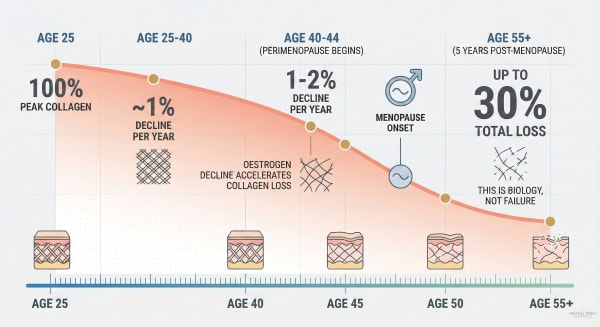
This isn’t vanity. Collagen provides the structural support that keeps your skin firm, elastic, and resilient. When it diminishes, you’ll notice skin becoming thinner, less bouncy, and more prone to lines, particularly around your eyes and mouth. [3]
The Moisture Challenge
Oestrogen also helps your skin produce oils and retain water. As levels fluctuate during your 40s (often unpredictably), you might experience:
- Skin that feels drier than before, even with the same moisturiser
- A compromised skin barrier that’s more reactive to products
- Areas of unexpected oiliness alongside dry patches
- Increased sensitivity or new concerns like rosacea
The fluctuating hormone levels don’t just decline gradually. They spike and crash, which explains why your skin can seem to age years overnight, then recover somewhat, then change again.
Environmental Factors Catching Up
Your 40s are also when cumulative sun damage from previous decades becomes visible. Those summers without proper SPF, the tanning bed years, outdoor work without protection: the effects are showing up as age spots, uneven texture, and deeper lines.
Add to this ongoing exposure to pollution (a real concern even in South Yorkshire) and lifestyle factors like stress and sleep quality, and your skin is dealing with multiple pressures simultaneously.
Building a Skincare Routine That Actually Helps
The basics of good skincare remain important, but your 40s call for a more targeted approach. Here’s what genuinely makes a difference.
Morning Routine
Cleanse gently. Your skin is drier than it used to be, so swap foaming cleansers for cream or oil-based formulas that clean without stripping. Double cleansing in the evening removes makeup without over-washing.
Layer hydration. Hydration is our natural fountain of youth, so Hyaluronic Acid (HA) serums are a staple for good reason, but not all formulations work the same way.
The molecule’s size matters. Low molecular weight HA (look for “low MW” or “multi-weight” on labels) can actually penetrate into deeper skin layers, delivering hydration where it counts. High molecular weight HA mostly sits on the surface, forming a moisture-locking film that reduces water loss. Both are useful, just in different ways.
Many products don’t specify, and some use high MW primarily for that satisfying silky texture. If deeper hydration is your goal, seek out serums that mention molecular weight or contain a blend of sizes. Apply to damp skin to give the HA water to work with, then follow with a richer moisturiser than you might have used in your 30s.
Consider your sun protection carefully. UV exposure accelerates collagen breakdown and contributes to pigmentation concerns. But it’s worth being thoughtful about how you protect your skin.
Many conventional sunscreens contain chemical UV filters that are absorbed into the bloodstream. Questions are emerging about the long-term effects, particularly for ingredients like oxybenzone and octinoxate. [[5], [6]] If this concerns you, mineral sunscreens using zinc oxide or titanium dioxide offer physical protection by reflecting UV rays rather than absorbing them. They sit on the skin’s surface rather than penetrating it.
We’re expanding our tallow skincare range to include a mineral sun balm with 20% non-nano zinc oxide in a nourishing tallow and antioxidant-rich base. No chemical filters, just physical protection for those times when extended sun exposure is unavoidable. Watch this space.
Evening Routine
This is where the real work happens. Your skin does most of its repair during sleep, so evening is the time for active ingredients.
Retinoids have the strongest evidence of any topical for collagen support. These vitamin A derivatives increase collagen production and speed cell turnover, with decades of clinical research behind them. [7] But here’s something worth knowing: the robust evidence is mainly for prescription-strength tretinoin, which you’d get through a GP or dermatologist. Over-the-counter retinol is gentler and more accessible, but it’s also around 20 times less potent and the research supporting it is thinner than you’d guess from the marketing.
That doesn’t mean OTC retinol is worthless. It may still offer benefits, particularly for those who find prescription strength too irritating. But if you’re serious about results and your skin can tolerate it, a conversation with your GP about tretinoin is worth having.
Whichever you choose, start low and slow. Apply every third night initially, building tolerance over weeks. Your skin will thank you for the patience.
Vitamin C in the morning, retinoid at night. Vitamin C serums protect against environmental damage and support collagen production, but can destabilise retinoids. Keep them in separate routines.
Peptides offer a gentler option. These protein fragments are thought to support collagen and elastin production, though the clinical evidence isn’t as strong as the marketing suggests. Most studies are small or industry-funded, so we’re still waiting for robust independent research to confirm what peptides can genuinely achieve.
That said, they’re well-tolerated by sensitive skin and unlikely to cause irritation. If retinoids aren’t an option for you, or you’re looking for something to use on alternate nights, peptides are a reasonable choice. Just keep expectations realistic: they’re unlikely to deliver dramatic change on their own.
Weekly Support
Exfoliate strategically. Cell turnover slows in your 40s, so gentle exfoliation once or twice weekly removes dead skin that can dull your complexion and prevent products absorbing properly. Chemical exfoliants (AHAs like glycolic or lactic acid) are generally gentler than physical scrubs.
Consider masking. A hydrating mask once weekly can boost moisture levels beyond what daily products achieve. Look for ingredients like hyaluronic acid, ceramides, or nourishing oils.
Skincare Your Body Actually Recognises
Here’s something the beauty industry often overlooks: your skin has evolved to work with certain types of ingredients. Modern formulations can be brilliant, but there’s something to be said for skincare your body genuinely recognises.
The Case for Tallow-Based Skincare
Tallow shares a remarkably similar fatty acid profile to human sebum. When you apply it, your skin doesn’t have to work to “accept” it. It simply absorbs what it recognises.
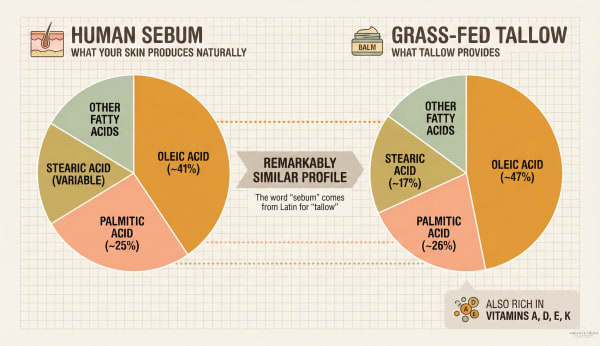
Grass-fed beef tallow is naturally rich in vitamins A, D, E, K, and B12, along with essential fatty acids that support skin barrier function. [4] Unlike some plant oils that sit on the surface, tallow’s compatibility with human biology allows it to penetrate effectively, delivering nutrients where they’re actually needed.
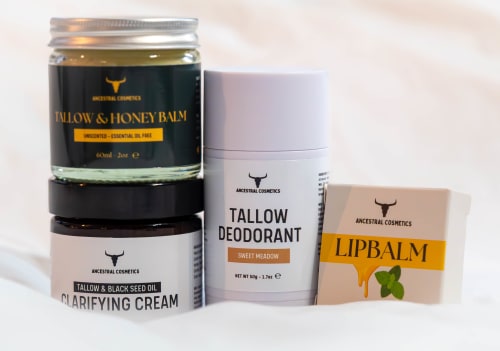
This isn’t about rejecting modern skincare. It’s about having options that work with your body’s natural processes. If your skin has become more reactive during perimenopause, tallow-based skincare products offer rich hydration without the synthetic ingredients that might trigger sensitivity.
Beauty From Within: The Nutrition Connection
Your skin is built from what you eat. During perimenopause, when your body requires extra support, nutrition becomes even more important.
Omega-3 Fatty Acids and Your Skin
Most of us are walking around with an omega imbalance. Modern diets are heavy in omega-6 from processed foods and vegetable oils, whilst omega-3 from fish and seafood barely gets a look-in. The average British person has a ratio of around 15:1, whereas scientists recommend a 3:1 ratio or better. [10]
Why does this matter for your skin? Omega-3 fatty acids:
- Help maintain your skin’s natural moisture barrier
- Support collagen production from within
- Reduce inflammation that accelerates skin ageing
- Protect against UV-induced damage
- May reduce sun sensitivity (emerging research suggests high omega-6 intake contributes to how easily skin burns)
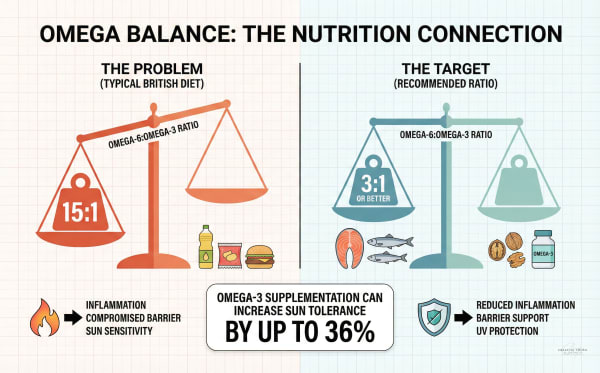
That last point is worth noting. Some researchers believe our modern, omega-6 diets have made us more vulnerable to sun damage than our ancestors were. Balancing your omegas won’t replace sun protection, but it may be part of a more holistic approach to skin health. [[8], [9]]
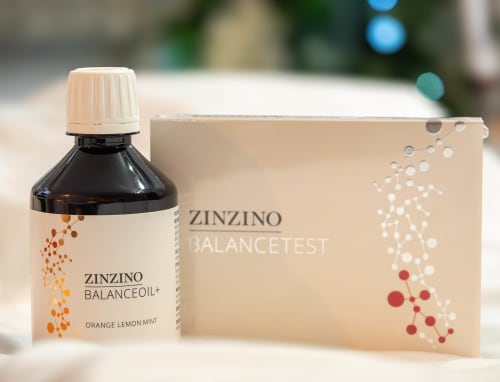
Eating oily fish twice weekly helps, but many women find a quality omega-3 supplement offers more consistent support. Look for one combining EPA and DHA (the active forms your body can use directly) with good absorption. The difference shows in skin that’s better hydrated and more resilient.
Other Nutrients Worth Attention
Protein provides the building blocks for collagen. Ensure you’re getting adequate amounts from quality sources.
Vitamin C is essential for collagen synthesis. Beyond serums, eat citrus fruits, berries, peppers, and leafy greens.
Antioxidants from brightly coloured fruits and vegetables protect against the oxidative stress that accelerates skin ageing.
Adequate hydration supports every cellular function. Aim for 6-8 glasses daily, more if you’re active.
When Professional Treatment Helps
Good skincare and nutrition create a solid foundation, but professional treatments can accelerate results, particularly when addressing concerns that topical products alone can’t reach.
Treatments That Support Your Skin’s Natural Processes
Cold Plasma skin rejuvenation is a newer option that works particularly well for perimenopausal skin. It stimulates your skin to produce fresh collagen, elastin, and hyaluronic acid without the downtime of more invasive treatments. The technology also addresses pigmentation and improves overall skin texture. Because it’s non-ablative, it’s suitable for all skin types, including sensitive skin.
Mesotherapy and skin boosters deliver hydrating ingredients like hyaluronic acid directly into the skin. Treatments like Profhilo work at a deeper level than topical products can reach, providing intense hydration that lasts weeks.
Facials and chemical peels offer regular maintenance, addressing surface concerns like dullness and uneven texture whilst supporting overall skin health.
What to Expect
Professional treatments aren’t magic. They work best as part of an overall approach that includes good home skincare, nutrition, and realistic expectations. Most treatments require multiple sessions for optimal results, with subsequent maintenance.
If you’re considering professional treatments, a consultation helps identify which options suit your particular concerns, skin type, and lifestyle.
Living Well in Your 40s
Your skincare routine isn’t the only thing affecting your skin. Several lifestyle factors play critical roles during this decade.
Sleep is when your skin regenerates. Aim for 7-8 hours nightly. Chronic sleep deprivation accelerates skin ageing and shows in dark circles, dullness, and slower healing.
Stress affects your skin directly. Cortisol (the stress hormone) breaks down collagen and triggers inflammation. Finding stress management strategies that work for you, whether that’s exercise, meditation, time outdoors, or simply protecting time for rest, benefits your skin alongside everything else.
Movement supports skin health. Regular exercise increases blood circulation, delivering nutrients to skin cells and carrying away waste products. It also helps manage stress and supports overall hormonal balance.
Alcohol and smoking accelerate skin ageing significantly. You probably know this, but it’s worth restating. Reducing or eliminating both makes a visible difference.
Working With Your Body, Not Against It
Your 40s bring real changes to your skin. Acknowledging this isn’t defeatist. It’s practical. When you understand what’s happening, you can respond effectively rather than fighting against biology.
The goal isn’t to look 25, however much we’d like to. It’s to support your skin’s health and vitality through a natural transition. That means:
- Adjusting your skincare to address genuine changes in how your skin functions
- Supporting your skin from within through nutrition
- Considering professional treatments that complement your body’s natural processes
- Making lifestyle choices that protect rather than accelerate ageing
Your skin in your 40s can be healthy, resilient, and genuinely glowing. It just needs different support than it did a decade ago.
Your Next Step
If you’re ready to take a more personalised approach to your skin, we’re here to help. A consultation lets us assess your specific concerns and recommend treatments, products, and approaches that suit your skin and your life.
Book a consultation and let’s work out what your skin actually needs.
References
Brincat, M., Moniz, C., Studd, J., Darby, A., Magos, A., Cooper, D. (1983). Sex hormones and skin collagen content in postmenopausal women.. BMJ, 287(6402), 1337-1338. doi.org/10.1136/bmj.287.6402.1337
doi: 10.1136/bmj.287.6402.1337Affinito, P., Palomba, S., Sorrentino, C., Di Carlo, C., Bifulco, G., Arienzo, M., Nappi, C. (1999). Effects of postmenopausal hypoestrogenism on skin collagen. Maturitas, 33(3), 239-247. doi.org/10.1016/s0378-5122(99)00077-8
doi: 10.1016/s0378-5122(99)00077-8Thornton, M. (2013). Estrogens and aging skin. Dermato-Endocrinology, 5(2), 264-270. doi.org/10.4161/derm.23872
doi: 10.4161/derm.23872Russell, M., Sandhu, M., Vail, M., Haran, C., Batool, U., Leo, J. (2024). Tallow, Rendered Animal Fat, and Its Biocompatibility With Skin: A Scoping Review. Cureus, (), . doi.org/10.7759/cureus.60981
doi: 10.7759/cureus.60981Matta, M., Zusterzeel, R., Pilli, N., Patel, V., Volpe, D., Florian, J., Oh, L., Bashaw, E., Zineh, I., Sanabria, C., Kemp, S., Godfrey, A., Adah, S., Coelho, S., Wang, J., Furlong, L., Ganley, C., Michele, T., Strauss, D. (2019). Effect of Sunscreen Application Under Maximal Use Conditions on Plasma Concentration of Sunscreen Active Ingredients. JAMA, 321(21), 2082. doi.org/doi:10.1001/jama.2019.5586
doi: doi:10.1001/jama.2019.5586Matta, M., Florian, J., Zusterzeel, R., Pilli, N., Patel, V., Volpe, D., Yang, Y., Oh, L., Bashaw, E., Zineh, I., Sanabria, C., Kemp, S., Godfrey, A., Adah, S., Coelho, S., Wang, J., Furlong, L., Ganley, C., Michele, T., Strauss, D. (2020). Effect of Sunscreen Application on Plasma Concentration of Sunscreen Active Ingredients. JAMA, 323(3), 256. doi.org/doi:10.1001/jama.2019.20747
doi: doi:10.1001/jama.2019.20747Griffiths, C., Russman, A., Majmudar, G., Singer, R., Hamilton, T., Voorhees, J. (1993). Restoration of Collagen Formation in Photodamaged Human Skin by Tretinoin (Retinoic Acid). New England Journal of Medicine, 329(8), 530-535. doi.org/doi:10.1056/NEJM199308193290803
doi: doi:10.1056/NEJM199308193290803Pilkington, S., Watson, R., Nicolaou, A., Rhodes, L. (2011). Omega‐3 polyunsaturated fatty acids: photoprotective macronutrients. Experimental Dermatology, 20(7), 537-543. doi.org/doi:10.1111/j.1600-0625.2011.01294.x
doi: doi:10.1111/j.1600-0625.2011.01294.xRhodes, L., Durham, B., Fraser, W., Friedmann, P. (1995). Dietary Fish Oil Reduces Basal and Ultraviolet B-Generated PGE2 Levels in Skin and Increases the Threshold to Provocation of Polymorphic Light Eruption. Journal of Investigative Dermatology, 105(4), 532-535. doi.org/10.1111/1523-1747.ep12323389
doi: 10.1111/1523-1747.ep12323389Balić, A., Vlašić, D., Žužul, K., Marinović, B., Bukvić Mokos, Z. (2020). Omega-3 Versus Omega-6 Polyunsaturated Fatty Acids in the Prevention and Treatment of Inflammatory Skin Diseases. International Journal of Molecular Sciences, 21(3), 741. doi.org/doi:10.3390/ijms21030741
doi: doi:10.3390/ijms21030741